Thursday, July 31, 2025

Capturing Emotional Portraits with Golden Hour Light

Golden hour—the time just after sunrise or before sunset—offers a fleeting, magical window where light becomes soft, warm, and incredibly flattering. For portrait photographers, it’s the perfect opportunity to create emotionally rich images that glow with natural warmth and intimacy.

Whether you’re working with a professional model or capturing candid moments of loved ones, learning to harness golden hour light can dramatically enhance the emotion and mood in your portraits.
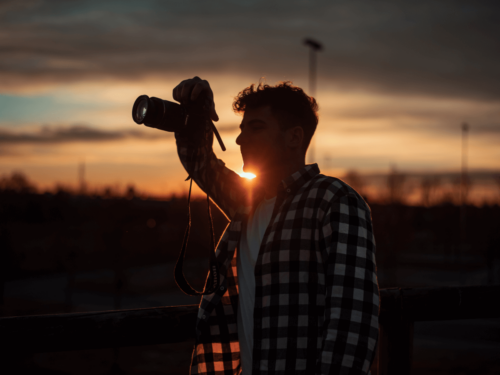
A backlit portrait of a man holding a camera against a vibrant sunset, showcasing the dramatic tones of golden hour portraits.

Why Golden Hour Light Works So Well for Portraits

Golden hour lighting is naturally diffused and directional, which means it wraps around your subject gently without creating harsh shadows. The warm tones evoke feelings of nostalgia, serenity, and intimacy, making it ideal for emotionally driven portraiture.

In addition, the lower angle of the sun creates long shadows and depth, which can add visual interest and dimension to your shots.

Techniques for Capturing Emotion in Golden Hour Portraits

To make the most of this time of day, you’ll need to consider light direction, composition, and your subject’s expression.

  • Backlighting for warmth and glow: Position the sun behind your subject to create a soft halo effect around their hair and shoulders. This helps highlight outlines while gently separating them from the background.
  • Side lighting for mood and depth: Shooting with the sun at a 45-degree angle creates contrast and brings out textures, which can add drama or intimacy to facial expressions.
  • Use a reflector: A simple reflector can bounce warm light back onto the subject’s face, enhancing eye catchlights and filling in shadows without overpowering the natural feel.
  • Keep poses fluid and natural: Direct your subject to move slowly or engage in small actions (like brushing hair away or looking down) to capture authentic emotion in the moment.

Setting the Scene for Stronger Impact

Context matters when telling emotional stories through portraits. Choose locations that match the tone you want to convey—open fields for freedom, quiet beaches for reflection, or city rooftops for solitude and introspection.

Clothing and color palettes should also complement the golden light. Earth tones, soft neutrals, and pastels often enhance the warmth of the hour, blending beautifully with the natural backdrop.
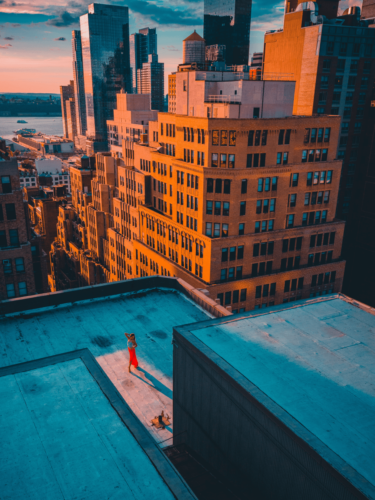
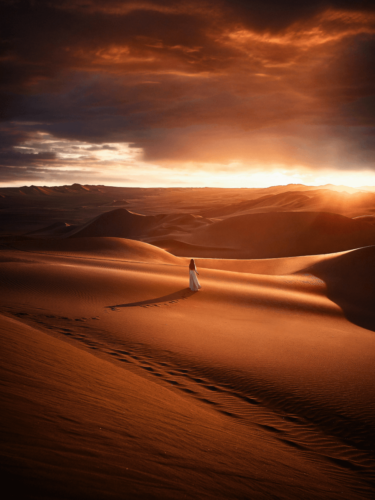
A woman in red standing on a rooftop with the city skyline glowing behind her, highlighting the warm tones typical of golden hour portraits. A lone figure walking across sunlit desert dunes under a dramatic sky, captured as part of golden hour portraits with rich shadows and warmth.

Camera Settings for Golden Hour Portraits

While golden hour is forgiving, fine-tuning your settings ensures consistency:

  • Shoot in RAW for more flexibility in post-processing.
  • Use a wide aperture (f/1.8–f/2.8) to create shallow depth of field and draw attention to your subject’s eyes.
  • Adjust white balance manually, or set to “Cloudy” to enhance warmth if your image appears too cool.

Add a Storytelling Element

Golden hour is more than just a pretty light—it’s a storytelling tool. Frame your shots in a way that reflects emotion: isolate your subject against the horizon to show solitude, or include environmental elements like trees or doorways to frame your subject with visual context.

Let your subject interact with the light—have them reach toward the sun, close their eyes in the warmth, or walk into the light with movement and intention.
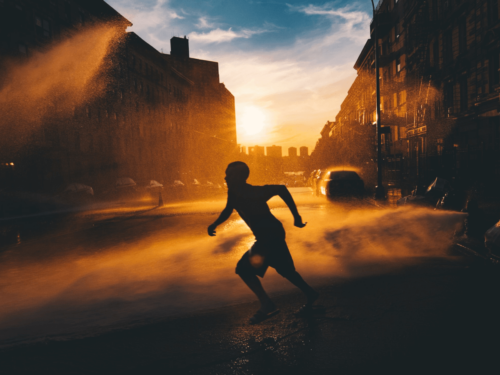
A boy dashing through a street sprinkler at sunset, with golden light creating contrast and depth, characteristic of golden hour portraits.

Edit with Intention

Post-processing should enhance the mood you captured, not overpower it. Boost warmth slightly to enhance golden tones, but maintain soft highlights and gentle contrast. Avoid over-sharpening or high saturation, which can disrupt the natural feel of the light.

Golden hour light gives photographers a natural advantage when creating emotional portraits. By understanding how to position your subject, compose for story, and work with the warmth and softness of the light, you’ll be able to capture portraits that resonate with depth and emotion.

Extended reading: Creative Lighting Setups to Enhance Your Portraiture

The post Capturing Emotional Portraits with Golden Hour Light appeared first on 500px.

[NDN/ccn/comedia Links]
Thursday, July 24, 2025

Creating Visual Rhythm with Multiple Exposures

Photography is a medium filled with endless creative possibilities, and one captivating technique stands out: multiple exposures. By layering two or more images into a single photograph, you can introduce visual rhythm, tell compelling stories, and create unique, dreamlike effects.

Ready to explore how multiple exposures can elevate your photography? Let’s dive in!

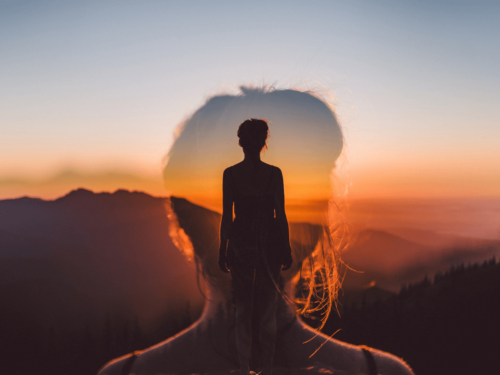
A silhouette of a woman blended with a mountain sunset scene, showcasing the creative blending of elements through multiple exposures.

The Artistic Appeal of Multiple Exposures

Multiple exposure photography combines different images to produce intriguing, layered visuals that can’t be captured in a single shot. Unlike standard photography, this technique blends scenes, textures, and movements, creating rhythm and harmony within a frame.

The results often appear poetic or surreal, engaging viewers by challenging their perception and inviting deeper exploration.

Essential Techniques for Creating Visual Rhythm

To create visual rhythm effectively through multiple exposures, consider these fundamental methods:

  • Repetition and Patterns: Using repetitive elements across exposures helps establish a rhythmic, visual cadence. Repeated shapes, textures, or subjects create cohesive layers, guiding the viewer’s eye seamlessly through your composition.
  • Balancing Contrast: Combine images with complementary contrasts—like sharp and soft textures or dynamic and static scenes—to produce engaging visual interactions. This approach enhances depth and strengthens the rhythmic connection between layers.
  • Thoughtful Composition: Pay close attention to how you position subjects across each exposure. Effective composition ensures clarity in your storytelling, enhances visual rhythm, and prevents chaotic or overly abstract results.

Choosing the Right Camera Settings

Creating multiple exposures requires precise camera settings. Here are some recommended guidelines:

  • In-Camera Multiple Exposure Mode: Many DSLRs and mirrorless cameras have built-in modes for combining exposures seamlessly.
  • Manual Exposure: Adjust exposure manually to prevent overexposed or overly dark images.
  • Consistent Aperture and ISO: Keep aperture and ISO settings consistent across shots to maintain uniform brightness and depth-of-field.
  • Experiment with Shutter Speed: Varying shutter speeds allows for creative manipulation of motion blur and sharpness.

Recommended Equipment for Multiple Exposure Photography

Great results in multiple exposures come easier with the right gear:

  • Tripod: Ensures precise alignment and stability across images, particularly beneficial when capturing landscapes or architectural scenes.
  • Remote Trigger: Minimizes camera shake, especially useful for detailed compositions.
  • Neutral Density Filters: Allows longer shutter speeds or wider apertures without overexposure, opening creative possibilities.
  • Editing Software: Applications like Adobe Photoshop or Lightroom enable further refinement of your final image composition.

A vibrant rainbow-hued portrait of a woman surrounded by floral elements, created using multiple exposures to enhance the ethereal atmosphere. A surreal double exposure of a person’s side profile blended with spiky green plant leaves, illustrating visual rhythm through repeated organic forms.

Creative Ideas to Inspire Your Next Shoot

Seeking inspiration? Consider these themes to create compelling multiple exposures:

  • Portraits and Nature: Blend faces with natural elements (leaves, branches, or landscapes) for surreal, expressive portraits.
  • Urban Rhythms: Combine images of architectural details and bustling streets to reflect the city’s dynamic rhythm.
  • Movement and Stillness: Merge static scenes with images of motion (e.g., dancers, traffic) for a visually engaging contrast.

Expert Tips for Mastering Multiple Exposures

Follow these tips to achieve impressive multiple exposure images:

  • Visualize Before Shooting: Plan your compositions by visualizing how multiple images might layer effectively.
  • Balance Simplicity and Complexity: Avoid overly cluttered compositions by carefully choosing subjects and backgrounds.
  • Experiment Frequently: Creativity thrives through trial and error—test various subjects, angles, and settings.
  • Use Editing to Enhance: Fine-tune opacity, contrast, and alignment during post-processing to strengthen visual rhythm.

Common Pitfalls and How to Avoid Them

Multiple exposures can pose challenges. Be mindful to avoid these common mistakes:

  • Lack of Clarity: Keep your main subjects clear and recognizable; too much layering can make images confusing.
  • Exposure Errors: Maintain consistent exposures across images to avoid unwanted brightness variations.
  • Misaligned Images: Use a tripod or carefully compose each shot to ensure alignment.

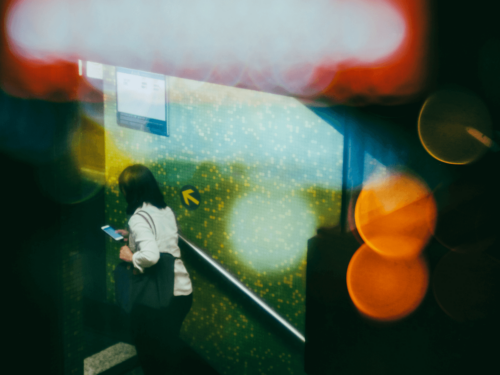
A woman on a stairwell using her phone, overlaid with colorful bokeh lights, created using in-camera multiple exposure for a dreamy, layered effect.

Final Thoughts: Let Your Creativity Flow

Creating visual rhythm with multiple exposures unlocks new creative dimensions. With practice, thoughtful planning, and experimentation, you’ll produce intriguing, rhythmic images that captivate and inspire your audience.

Start exploring the fascinating possibilities of multiple exposures today, and redefine how you see photography!

Extended reading: 4 Ways for Photographers to Overcome Creative Slumps

The post Creating Visual Rhythm with Multiple Exposures appeared first on 500px.

[NDN/ccn/comedia Links]

Thursday, July 17, 2025

Capturing the Moment: Mastering High-Speed Photography

Have you ever marvelled at a photograph of a hummingbird frozen mid-flight or water droplets suspended in mid-air? These stunning images are possible through high-speed photography, a technique that freezes fleeting moments too fast for the human eye. Mastering this form of photography not only enhances your skills but also transforms everyday occurrences into captivating visual stories.

Let’s dive into the fascinating world of high-speed photography and discover how to perfect this thrilling technique.

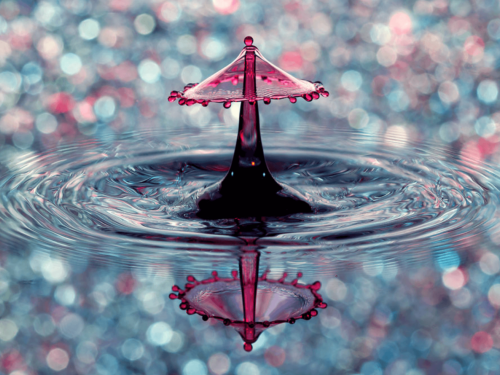
A perfectly timed image of a water drop collision resembling an umbrella, captured with high speed photography to freeze the motion and fine details.

Why High-Speed Photography?

High-speed photography is more than just capturing action—it reveals the invisible beauty hidden in brief moments. By using rapid shutter speeds and precise timing, photographers can showcase the intricate details of fast-moving subjects, transforming ordinary scenes into extraordinary imagery.

Unlike slow shutter photography, which emphasizes blur and movement, high-speed photography brings clarity and dramatic impact through sharpness and precision.

Key Elements for Successful High-Speed Images

Instead of focusing solely on gear first, let’s look at the essential elements behind impactful high-speed shots:

  1. Precision Timing: The most critical element is timing. Capturing the perfect moment often involves anticipation and practice. Using burst mode helps you capture multiple frames quickly, greatly increasing your chance of getting that flawless shot.
  2. Proper Lighting: Good lighting is essential. High-speed photography requires ample illumination, often achieved through external flashes or natural daylight, to allow for faster shutter speeds without compromising image quality.
  3. Fast Shutter Speed: A shutter speed of at least 1/1000 second (often even faster) is necessary to freeze motion effectively. Faster shutter speeds capture sharper, clearer images, ensuring even rapid movements are perfectly crisp.

Essential Camera Gear

Equipped with the knowledge of key elements, now let’s explore essential gear that facilitates high-speed photography:

  • DSLR or Mirrorless Camera: Allows full manual control for precise adjustments.
  • Fast Lens (Wide Aperture): Lenses with apertures between f/1.8 and f/2.8 increase available light, supporting faster shutter speeds.
  • External Flash (Speedlights): Freezes action sharply and clearly illuminates subjects.
  • Sturdy Tripod: Maintains stability and composition, especially critical for detailed, sharp images.
  • Remote Shutter Release: Reduces vibrations for pinpoint clarity.

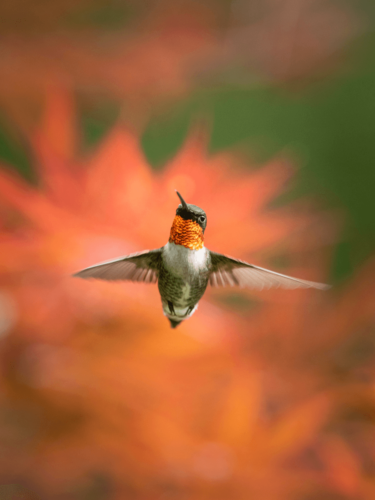
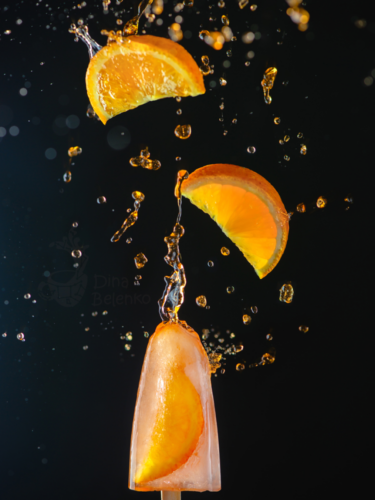
A hummingbird suspended mid-air with wings outstretched, captured using fast shutter speed to reveal crisp detail and eliminate motion blur.  A frozen moment of orange slices and liquid splashing around a popsicle, captured using burst photography to highlight motion in a vivid, dynamic scene.

Creative Subjects to Explore

Looking for inspiration? Here are some fantastic subjects perfect for high-speed photography:

  • Liquid Splashes: Water droplets, milk splashes, or colorful liquids frozen in dynamic shapes.
  • Exploding Objects: Balloons bursting or fruit splattering can create visually dramatic and artistic compositions.
  • Wildlife in Action: Birds mid-flight or animals leaping showcase intricate details of motion and natural beauty.
  • Sports Moments: Capture athletes’ intensity, determination, and skill at the peak of action.

Expert Tips for High-Speed Photography Success

To truly excel in high-speed photography, keep these expert insights in mind:

  • Pre-Focus and Anticipate: Autofocus often lags. Pre-focus manually at the spot you expect action.
  • Practice Your Timing: Repeat your setup multiple times. Practice helps perfect your reflexes and results.
  • Use Flash Effectively: External flashes placed strategically can dramatically improve lighting, allowing for sharper captures.
  • Keep Backgrounds Clean: Simple, uncluttered backgrounds highlight your subject clearly and enhance visual impact.

Common Mistakes to Avoid

Avoid these typical pitfalls that beginners often encounter:

  • Too Slow Shutter Speed: Insufficient speed results in blurry images. Always start at 1/1000 second or faster.
  • Poor Lighting Conditions: Adequate illumination is essential—use flash or natural daylight effectively.
  • Over-reliance on Auto Modes: Manual settings provide control and consistency, crucial for precise action shots.

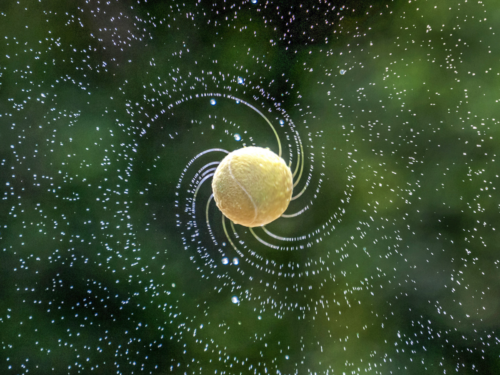
A tennis ball spinning in mid-air with droplets spiraling outward, dramatically captured using burst photography to emphasize motion and energy.

Wrapping Up: Your Journey to Stunning High-Speed Photos

High-speed photography allows you to explore and appreciate fleeting moments. With the right equipment, attention to timing, and plenty of practice, you can create striking, memorable images that stand out. Begin capturing those elusive moments today, and turn split seconds into visual art.

Extended reading: Embracing the beauty of chaos in photography

The post Capturing the Moment: Mastering High-Speed Photography appeared first on 500px.

[NDN/ccn/comedia Links]

Thursday, July 10, 2025

Long Shutter Techniques for Impactful Imagery

Photographers continually explore new methods to add creativity and depth to their images. One particularly captivating approach is using long shutter techniques—also known as long exposure photography—to capture expressive motion in a single, dynamic shot. If you’ve admired images of silky waterfalls, glowing city streets, or sweeping star trails, you’re witnessing the artistic use of long shutter speeds.

Let’s dive into how you can harness these techniques to create compelling photographs.

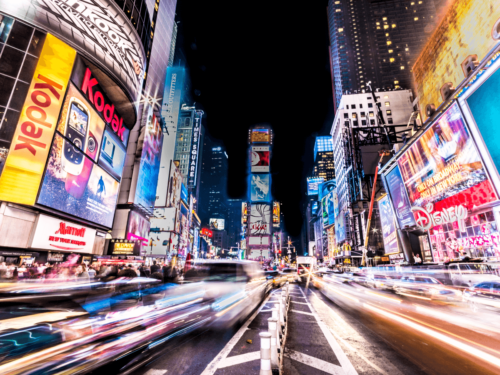
A vibrant view of Times Square at night with light trails from passing traffic, captured using long shutter techniques to create dynamic motion effects.

Understanding Long Shutter Techniques

Long shutter techniques involve intentionally extending your camera’s shutter speed, allowing the sensor to record movement as motion blur. Rather than freezing action, these techniques create fluidity and dynamism, transforming ordinary scenes into visually striking art.

Common subjects captured using long shutter speeds include flowing water, moving vehicles, drifting clouds, and star trails.

Essential Gear for Successful Long Shutter Photography

You don’t need extensive equipment to start, but these items significantly improve your results:

  • Tripod: Essential for stability during long exposures, preventing unintended blur.
  • Neutral Density (ND) Filters: Helps manage exposure by reducing light entering the lens, enabling longer exposures in brighter conditions.
  • Remote Shutter Release: Minimizes camera shake when triggering the shutter, resulting in sharper images.

How to Set Your Camera for Motion Blur

To achieve expressive motion, carefully adjust your camera settings:

  • Shutter Speed: Typically between a few seconds to several minutes, depending on your scene. Experimentation is key.
  • Aperture: Opt for narrower apertures (f/8 to f/16) to enhance depth of field and image sharpness.
  • ISO: Keep ISO low (100-200) to reduce noise and maintain image quality.

For example, capturing silky water usually involves shutter speeds around 1 to 5 seconds. For star trails, exposures can range from several minutes to hours.

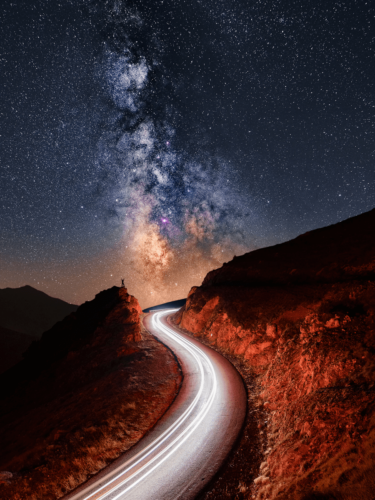
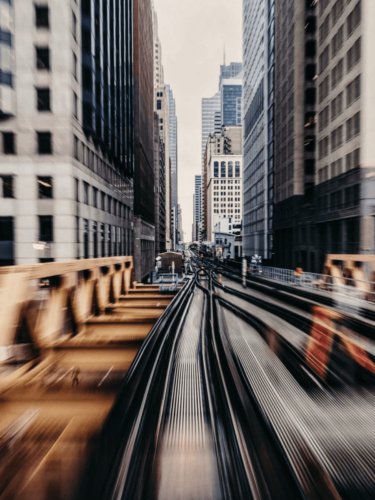
A winding mountain road leading to the Milky Way, with car light trails captured through long exposure photography to enhance the night sky scene. Blurred train tracks running through a cityscape, illustrating speed and depth using long exposure photography and motion blur techniques.

Tips to Create Impactful Long Exposure Images

Choose Moving Elements Thoughtfully

Identify scenes that inherently include motion, such as waterfalls, busy streets, or celestial bodies. The inherent movement is essential to producing dramatic effects.

Experiment with Exposure Duration

Shorter long exposures (around 1-2 seconds) maintain recognizable forms, while extended exposures (10 seconds or more) yield abstract and ethereal effects.

Focus on Composition

Compose intentionally, using motion blur as a compositional tool. Consider how leading lines, symmetry, or the placement of static versus moving elements impact your viewer’s experience.

Manual Focus in Low Light

Auto-focus can struggle in dim conditions. Switch to manual focus to precisely control your focal point and avoid accidental softness.

Common Mistakes and How to Avoid Them

Long shutter photography has unique challenges. Here are frequent pitfalls and how to prevent them:

  • Unintended Camera Movement: Always secure your camera with a sturdy tripod and consider using a remote shutter release.
  • Overexposure During Daytime: Use Neutral Density (ND) filters to limit incoming light for proper exposure control.
  • Lack of Clear Subject: Clearly define your main subject to prevent overly abstract or confusing compositions.

Inspirational Subjects for Long Shutter Photography

If you’re looking for inspiration, here are excellent subjects to experiment with:

  • Waterfalls and Seascapes: Capture silky water textures and soft waves.
  • Nighttime Cityscapes: Use car headlights and streetlights to create vibrant streaks of color and energy.
  • Astrophotography: Create awe-inspiring star trails to illustrate the earth’s rotation.

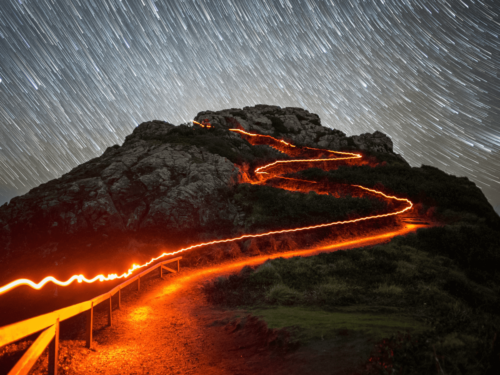
A glowing path up a mountain under star trails, captured with long exposure to convey expressive motion through swirling sky and light trails.

Conclusion: Embrace Creativity with Long Shutter Techniques

Mastering long shutter photography opens endless creative possibilities. By embracing experimentation and thoughtfully choosing your settings and subjects, you can transform everyday moments into captivating imagery.

Start exploring these expressive motion techniques today—your creative journey awaits.

Extended reading: Shutter speed | The essential guide for photographers

The post Long Shutter Techniques for Impactful Imagery appeared first on 500px.

[NDN/ccn/comedia Links]
Friday, July 4, 2025

Panning Photography: Capture Speed and Motion Like a Pro

Perfecting panning photography is a powerful way to convey speed and motion in your photos. This technique lets you keep a moving subject sharp while artistically blurring the background, adding energy and excitement to your shots.

In this guide, you’ll discover everything you need to know about the panning technique, including shutter speed tips, focus modes, and smooth camera movement to create stunning motion blur photos.

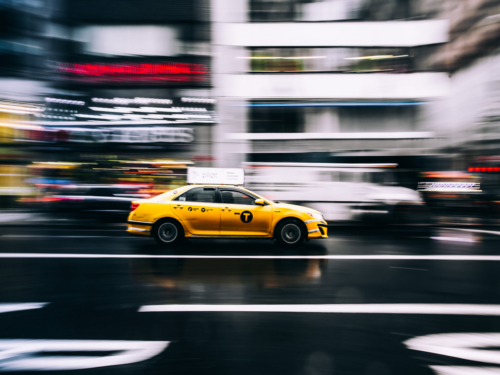
A yellow NYC taxi speeding through a city street, captured using panning photography to blur the background and highlight motion.

What Is Panning in Photography and Why Does It Work?

Panning photography involves moving your camera to follow a fast-moving subject during exposure. By matching your camera’s motion to the subject, you keep it sharp while the background blurs. This motion blur effect helps you capture dynamic scenes like races, wildlife, or street action with impact.

How to Perfect the Panning Technique in Photography

Step 1: Choose the Best Shutter Speed for Panning Shots

Shutter speed controls how much motion blur appears. For perfecting panning photography, start with slower speeds between 1/30 and 1/125 seconds. Adjust based on your subject’s speed: faster subjects need faster shutter speeds to keep them sharp.

Step 2: Use Continuous Autofocus to Track Moving Subjects

Switch your camera to continuous autofocus mode (AF-C or AI Servo). This keeps your subject in focus as you smoothly follow their motion, increasing your chances of sharp results.

Step 3: Position Yourself Correctly for the Best Motion Blur

Stand perpendicular to your subject’s path. This angle lets you pan the camera smoothly from side to side, creating effective motion blur without distorting the subject.

Step 4: Practice Smooth Camera Movement and Follow Through

Use your whole body to swivel the camera smoothly, not just your arms. Begin panning before pressing the shutter and keep moving after taking the shot. This “follow-through” is key to keeping the subject sharp and background blurred.

Step 5: Use Burst Mode to Capture Multiple Frames

Shooting in burst mode lets you take several photos in quick succession. This increases your chances of getting the perfect pan with sharp focus and ideal motion blur.

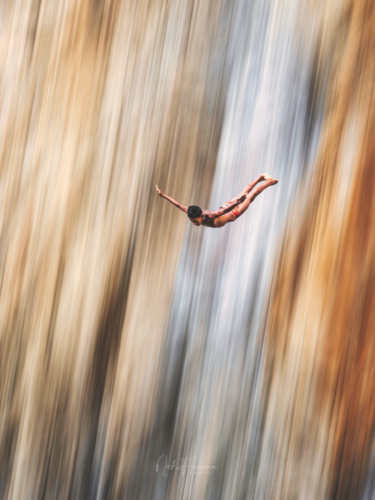
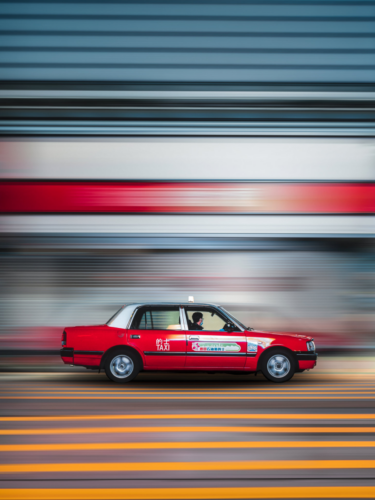
A diver mid-air in front of a blurred waterfall, emphasizing motion and direction through the panning technique. A red taxi in Hong Kong sharply focused against a streaked background, showcasing the panning technique to convey speed.

Tips for Capturing Motion Blur with Panning Photography

  • Use a tripod with a panning head for added stability.
  • Experiment with different shutter speeds depending on subject speed.
  • Shoot in good lighting to maintain image quality at slower shutter speeds.
  • Practice regularly to develop your timing and smoothness.

Common Mistakes to Avoid When Perfecting Panning Photography

  • Using shutter speeds that are too fast, freezing motion completely.
  • Jerky or uneven camera movement during the pan.
  • Not following through smoothly after pressing the shutter.
  • Losing focus on the moving subject.

Frequently Asked Questions About Panning Photography

What shutter speed is best for panning photography?

A shutter speed between 1/30 and 1/125 seconds generally works well, but it depends on your subject’s speed and lighting conditions.

How do you keep a moving subject sharp while panning?

Use continuous autofocus mode and practice smooth camera movement with proper follow-through after taking the shot.

What subjects are best for panning shots?

Fast-moving subjects like cyclists, runners, cars, or animals work great for panning to capture motion and energy.

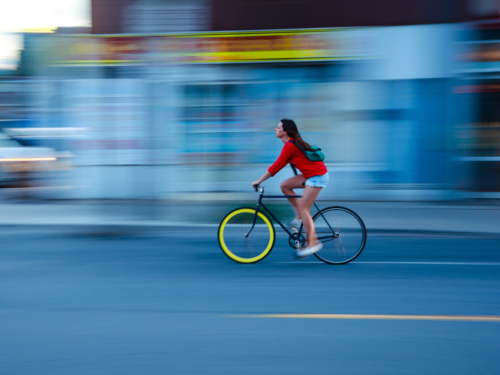
A woman riding a bicycle with a colorful wheel, captured with motion blur to emphasize her speed through an urban setting.

Final Thoughts on Perfecting Panning Photography

Mastering perfecting panning photography takes time and practice, but the ability to capture stunning speed and motion shots is well worth the effort. Use these techniques and tips to add dynamic energy and storytelling to your photos.

Ready to showcase your motion photography skills? Join the 500px community and connect with photographers worldwide!

Extended reading: Master Motion Blur in Street Photography

The post Panning Photography: Capture Speed and Motion Like a Pro appeared first on 500px.

[NDN/ccn/comedia Links]