Thursday, August 28, 2025

Creative Techniques for Shooting in Harsh Midday Sunlight

Midday sun is often labelled the enemy of good photography; harsh, unflattering, and full of contrast. But with the right techniques, midday sunlight photography can become a powerful creative tool. Instead of avoiding the brightest part of the day, embrace it. Midday light offers sharp shadows, bold colors, and opportunities to experiment with graphic compositions and high-contrast scenes.

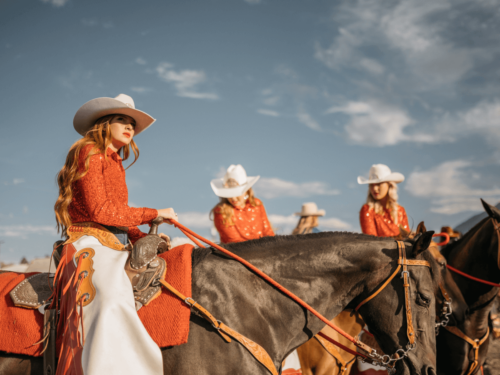
Group of women in cowboy hats riding horses in a parade under clear skies, captured in midday sunlight photography.

Why Midday Sunlight Photography Deserves a Second Look

While golden hour has its dreamy appeal, the sun at its peak presents a distinct and dramatic aesthetic. Hard light emphasizes form and texture, revealing detail in everything from architecture to skin. Shadows are crisp and defined, ideal for storytelling through contrast.

In street photography, midday sun creates striking light-and-shadow patterns. In landscapes, it enhances texture in rocky terrain or dry vegetation. For portraits, it can add a raw, editorial edge—especially when you understand how to work with (not against) the light.

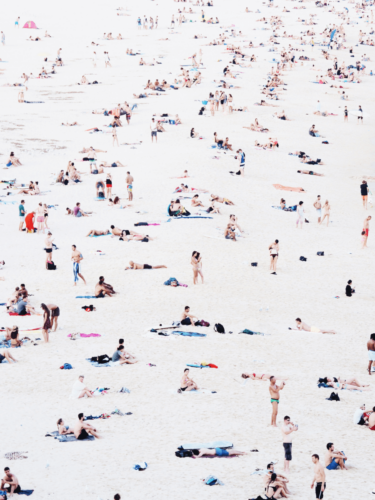
Close-up portrait of a woman with blue eyes wearing a hat, dotted light patterns on her face, showcasing midday sunlight photography. Crowded sandy beach filled with sunbathers and groups of people enjoying the day, an example of creative use of sunlight in photography.

How to Make the Most of Harsh Light

Midday sunlight photography doesn’t have to be difficult; it just demands intention. Use these approaches to make it work for you:

  1. Use shadows creatively: Look for repeating patterns, lines, and grids created by architecture or trees. Harsh shadows can act as compositional elements on their own, guiding the viewer’s eye or creating mood.
  2. Try black-and-white photography: High contrast scenes are a natural fit for monochrome. Stripping away color lets the graphic power of the light and shadow take center stage.
  3. Position your subject thoughtfully: Instead of avoiding the sun, use it to highlight specific features. Frame your subject so the light carves out their silhouette, or experiment with side lighting to emphasize texture.
  4. Use objects as natural diffusers: Seek shade under tree canopies, awnings, or sheer fabrics to soften light without losing the drama of the scene.
  5. Overexpose for effect: Lean into the brightness. Slight overexposure can create a blown-out, dreamy feel, especially effective in editorial or lifestyle photography.

Tip: If shooting portraits, have your subject face away from the sun or use a reflector to bounce soft light onto their face while keeping the background brightly lit.

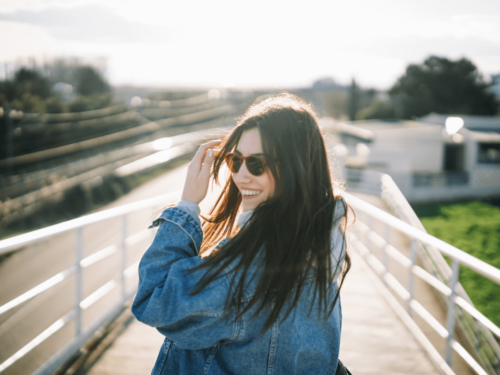
Smiling woman in sunglasses and a denim jacket walking outdoors on a bright day, captured with harsh lighting photography.

Embracing the Bold Aesthetic

Midday sun isn’t about subtlety—it’s about confidence. Whether you’re drawn to deep shadows, vibrant colors, or exaggerated forms, this light encourages boldness in your visual storytelling. Think fashion campaigns shot under desert sun, or street images where humans disappear into light-and-shadow geometry.

With a creative mindset and a few key techniques, midday light shifts from challenge to opportunity, inviting you to push your vision further when others are packing up their gear.

Extended reading: Harnessing Light and Shadow to Enhance Your Storytelling

The post Creative Techniques for Shooting in Harsh Midday Sunlight appeared first on 500px.

[NDN/ccn/comedia Links]

Thursday, August 21, 2025

Creating Magic in the Moments of Blue Hour

Photographers often chase golden hour but there’s another window of light that’s just as magical: the moments right after sunset, also known as blue hour. This short but powerful period offers soft, ethereal lighting that enhances mood, detail, and atmosphere, making it a hidden gem for creative exploration.

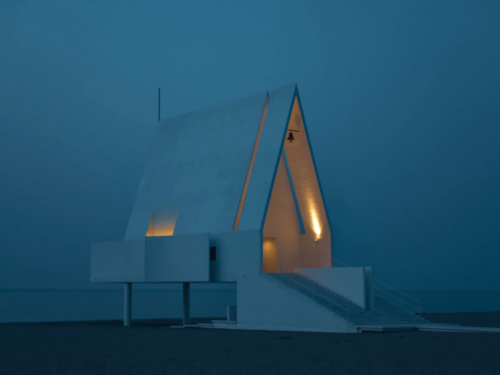
Minimalist chapel captured at blue hour with clean architecture and serene sky tones.

Why Blue Hour Matters

The blue hour is the twilight time that follows the sun dipping below the horizon. During this brief phase, the sky glows with deep indigos, purples, and cobalt hues. Unlike the golden hour’s warm tones, blue hour delivers a cooler, more cinematic effect—ideal for creating dreamlike landscapes, atmospheric portraits, and moody street shots.

This light is even and shadowless, making it easier to capture subtle details while maintaining a soft, cohesive tone across your scene. The low contrast also lends itself well to reflective surfaces, foggy settings, and long-exposure creativity.

Best Subjects to Capture During Blue Hour

While you can shoot almost anything during this time, some subjects truly come alive:

  • Urban landscapes: City lights begin to glow as the sky dims, creating a vibrant mix of artificial and natural light.
  • Portraits: Blue tones evoke quiet emotion and serenity, especially when paired with shallow depth of field and soft facial expressions.
  • Waterscapes: Lakes, oceans, and pools reflect deep twilight colors beautifully, perfect for capturing tranquillity.
  • Architectural silhouettes: Buildings and bridges outlined against a fading sky create striking compositions.

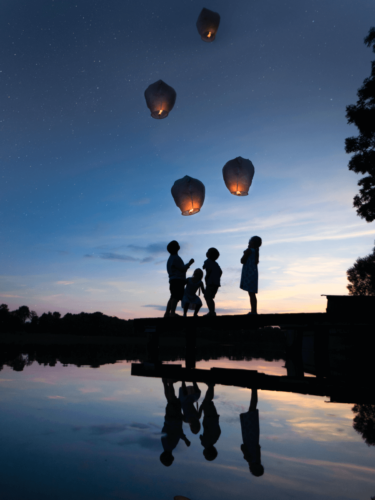
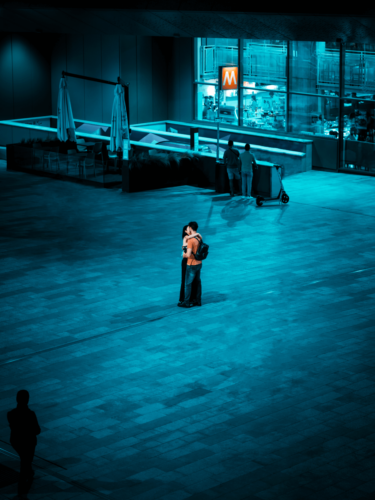
Family silhouette walking together after sunset with lanterns glowing and reflecting on the beach. Couple kissing after sunset in an intimate urban romance moment with warm sun flare.

Settings and Techniques for Maximum Impact

Blue hour requires intentional camera adjustments to capture its full magic. Here’s how to get it right:

  • Use a tripod: As light fades, slower shutter speeds become necessary. A tripod ensures your shots stay crisp.
  • Lower your ISO: To keep your images clean and noise-free, shoot at ISO 100–400 and compensate with longer exposures.
  • Shoot wide open: Use a large aperture (like f/2.8 or f/4) for dreamy bokeh and to gather as much available light as possible.
  • Play with long exposure: Especially in city scenes or near water, dragging the shutter adds beautiful blur and softness.

Tip: White balance can make or break your blue hour image. Try setting it manually or using “cloudy” to enhance those cool tones.

Bringing Out the Mood in Post

Post-processing is where the magic of blue hour really shines. You don’t have to do much, but a few subtle tweaks go a long way:

  • Boost clarity in key areas to add definition without ruining the softness.
  • Adjust white balance to fine-tune the mood—shift toward cooler blues or warm up for a film-like finish.
  • Lift shadows gently to retain detail, especially if shooting people or dark structures.
  • Reduce highlights to preserve sky gradients and avoid losing that painterly glow.

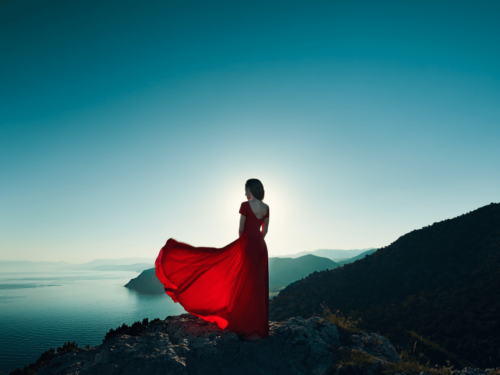
Woman in a flowing red dress standing on a mountain cliff with a twilight view over the sea.

Let the Light Guide You

What makes the time after sunset so special is that it asks for patience and attention. The transition between day and night is subtle and ever-changing, rewarding those who linger just a little longer. Whether you’re capturing reflections in a city puddle or framing a quiet moment in nature, this light invites you to slow down and observe.

Extended reading: What is the blue hour? (and how to make the most of it)

The post Creating Magic in the Moments of Blue Hour appeared first on 500px.

[NDN/ccn/comedia Links]

Tuesday, August 19, 2025

Nicole Grenier: 500px Photographer Spotlight

The 500px Photographer Spotlight invites you to dive into the minds and methods of the incredible photographers who shape our community. Discover the unique journeys, creative insights, and inspiring stories behind the stunning photos we love.

Nicole Grenier, a Canadian photographer based in Quebec, masterfully captures moody and dramatic scenes. Her portfolio showcases a diverse range of landscape, lifestyle, and urban street photography, all unified by her distinctive use of shadow play and deep contrasts to reveal the inherent beauty in everyday life. Uncover Nicole’s journey as she reveals her process, inspirations, and distinctive perspective on photography.

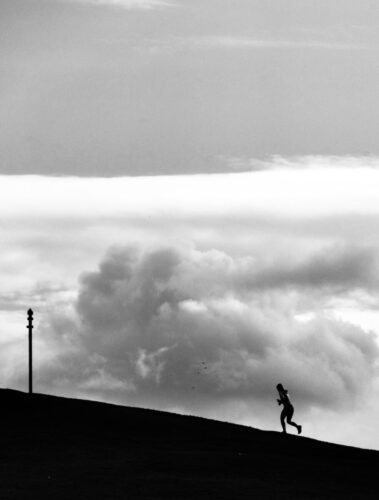
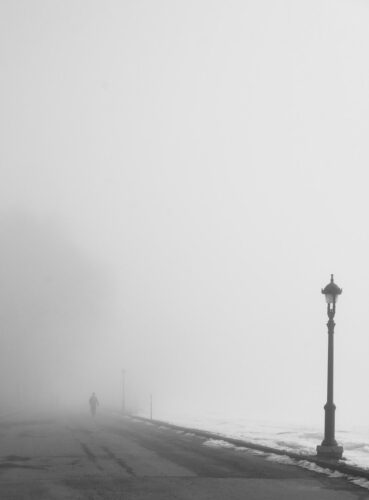
Black and white photo by Nicole Grenier of a lone runner silhouetted on a hill against dramatic clouds, evoking solitude and resilience.

Nicole, what would you say first sparked your interest in photography, and how has that passion developed since first picking up a camera?

I have always been interested in photography, it was something I picked up from my father, who had a strong interest in photography too. Though it was the kind of basic photography everyone does to capture memories of the family, special events, or document travel. It was quite ordinary in terms of composition, lighting, or creativity.

Surprisingly, it evolved a lot when a local newspaper created a photography contest with a specific theme each week. I then started challenging myself to upgrade the quality of my work and the style of photography I wanted to shoot. Later, when I stopped working and retired, I had a lot more time, and photography became a passion. I took photography lessons to develop my technique and to have better basics in composition.

The Covid pandemic was an important occasion to go out and shoot and shoot a lot in empty streets. During the pandemic and through the years since, I realised that the photography I wanted to do was capturing photos coming from the soul – my soul. If I don’t have an emotion or feel that the story I try to tell through my photos doesn’t touch the soul, then it’s not a photo I want to publish. I feel like that perspective works well, people often tell me they are deeply touched by my photos.

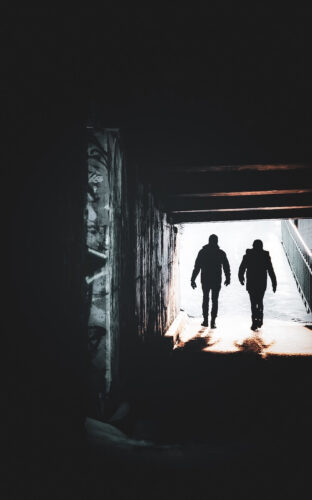
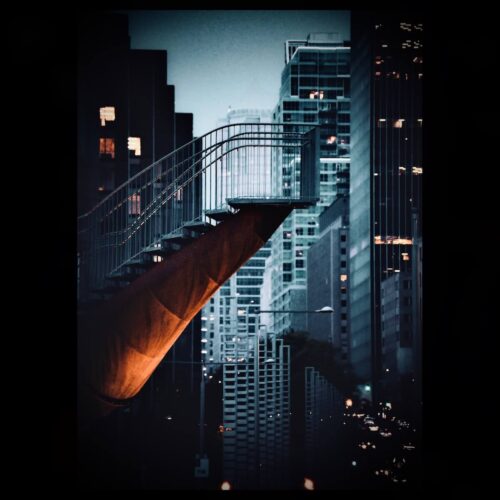
Urban street photography by Nicole Grenier showing two silhouetted figures walking through a dark underpass toward the light.

Has a mistake ever led to a breakthrough moment during a shoot? Could you share that experience?

I would say it was the day I forgot to adjust the speed and the “out of focus” scene with the shadow of people walking was very suggestive and created a surreal feeling similar to that of a dream.

What’s a lesson you learned early on in your journey as a photographer that you still find valuable today?

One of the most valuable things I’ve ever learned is that I have to connect to my sensibility when I shoot. If I want to go too fast or try to have a good picture in the first minutes of a photo shoot it never works. I also learned that I have to be alone to make better pictures or with someone who has a similar sensibility to photography as mine.

Are there books, films, or albums that influence your visual storytelling?

Not really. Some photographers influence me a bit, but when I create, I do not necessarily connect to those influences. I draw most of my inspiration from what I see and what is happening around me.

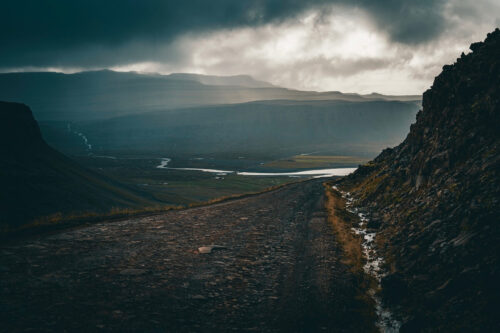
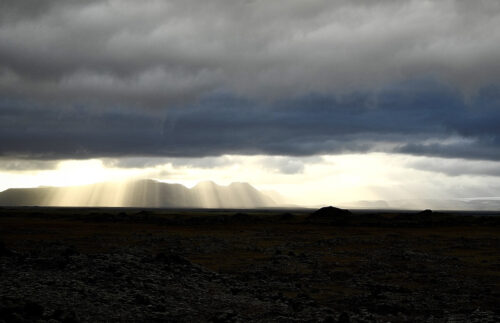
Moody mountain road landscape by Nicole Grenier, with a rugged dirt path leading into misty mountains under dramatic storm clouds.

What’s a misconception you had about photography and how has it changed?

I used to believe that a photo should reproduce exactly what I had seen at that moment. I originally felt that editing was not honest but now I can see it is part of the creativity process. I used to feel like an imposter when I would edit photos, but I’ve moved past that. I stay true to a certain reality, “my reality”, with my vision of people and the world around me.

How much do you plan out your shoots, and how much do you just go with the flow?

My photography is mostly based on spontaneity. Occasionally, I will find a nice scene and wait for a person passing by to shoot so it gives life to the photo.

Are there any camera techniques or settings you wish you had mastered sooner?

With photography, I am still learning a lot. Something I would have liked to have known sooner would be the use of white balance, especially with sunrise and sunset. As well as mastering slow shutter speed and low iso for shooting waterfalls.

Could you share what you believe is a common misconception about photography that you wish more people truly grasped?

Most people don’t realize photography is a lot more difficult than it looks. Many don’t understand the amount of time and work that goes into really good photography, before, during, and after a shoot.

What’s in your camera bag that no one would expect?

I think people would be surprised by what I don’t have. I keep my bag light, I don’t typically carry filters, gadgets, or even a tripod. My essentials are just a cleaning cloth, spare battery, and a spare memory card.

Where do you see the future of photography heading?

AI is a growing challenge within photography, as it is in many other forms of art, but I think genuine photography will continue to be a form of expression and a part of creative arts. There will still be emerging photographers, photography in museum collections, galleries, books, and exhibits. I am quite optimistic the true artists will find their way.

Do you have an upcoming shoot or project you would like to share or promote?

I’ll be traveling to New Zealand this coming November, and photography will be a significant part of the trip. I’m incredibly excited to start shooting and eventually be able to share the photos with everyone.

Read more 500px Photographer Spotlight interviews: Sirun Tang

The post Nicole Grenier: 500px Photographer Spotlight appeared first on 500px.

[NDN/ccn/comedia Links]

Thursday, August 14, 2025

Artistic Effects with Summer Backlighting

Backlighting is one of the most evocative lighting techniques in photography, and in summer, it becomes even more magical. Whether you’re capturing portraits, still life, or nature, summer backlighting introduces a radiant glow that adds depth, softness, and an ethereal quality to your images. When used creatively, it transforms ordinary scenes into atmospheric works of art.

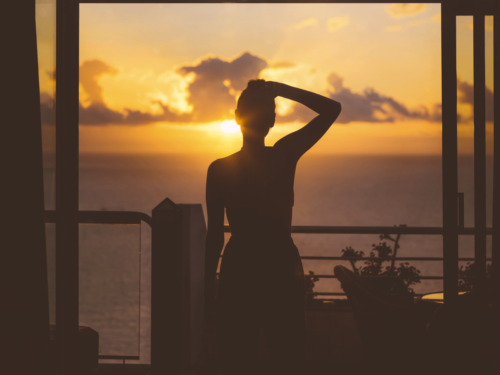
A woman silhouetted against a glowing ocean sunset, captured indoors through open balcony doors, showcasing summer backlighting photography.

Why Backlighting Works So Well in Summer

Summer light tends to be warmer, stronger, and more directional, especially during golden hour or late afternoon. When positioned behind your subject, the sun can outline shapes with rim light, create luminous flares, and highlight translucent textures like fabric, hair, or leaves.

The result was dreamy, cinematic images that emphasize emotion and light.

Creative Backlighting Techniques

Here’s how to go beyond basic silhouettes and experiment with artistry:

  • Sun Flare Play: Embrace lens flare by shooting toward the sun and adjusting your angle. Use a wide aperture to get starbursts or haloed light. Let a bit of the sun peek through trees or over your subject’s shoulder for a soft, glowing effect.
  • Rim Lighting for Definition: When the sun outlines your subject, you get natural rim lighting. This helps separate the subject from the background and adds a painterly glow, ideal for portraits or macro shots.
  • Translucent Textures: Hold up thin fabrics, sheer curtains, or leaves and let light pass through. This trick reveals intricate detail and introduces an otherworldly ambiance.

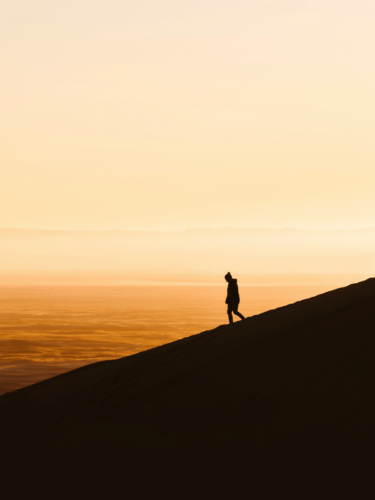
A lone figure walking along a desert dune at sunset, with warm tones highlighting the scene, representing summer backlighting photography. A couple kissing with the setting sun perfectly aligned between them, creating a dramatic burst of light that emphasizes sun flare.

Backlight Exposure and Camera Settings

Backlighting can confuse your meter. To get the look you want:

  • Expose the subject to avoid underexposure (use exposure compensation if needed).
  • Try spot metering for more control over highlights and shadows.
  • Use a lens hood or hand block to reduce unwanted flare unless that’s part of your vision.

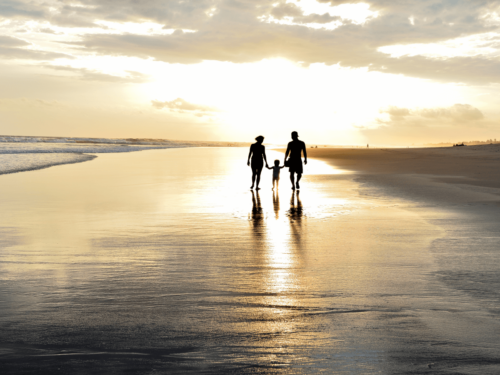
A family holding hands while walking along a reflective beach at sunset, creating a soft glow effect that defines artistic backlight.

Tip: Embrace Imperfection

Sometimes the best artistic effects happen when you break rules, like letting flare wash over your subject, or intentionally overexposing parts of the image to amplify mood. Summer backlighting invites experimentation. Let go of precision and lean into creative play.

Extended reading: 10 awesome summer photography ideas to try yourself

The post Artistic Effects with Summer Backlighting appeared first on 500px.

[NDN/ccn/comedia Links]

Tuesday, August 12, 2025

Sirun Tang: 500px Photographer Spotlight

The 500px Photographer Spotlight invites you to dive into the minds and methods of the incredible photographers who shape our community. Discover the unique journeys, creative insights, and inspiring stories behind the stunning photos we love.

Sirun Tang is an award-winning photographer and colorist based in Bristol, with a talent for turning everyday moments, architecture design, and the vibrant interplay of colors all around us into something cinematic and surreal. We caught up with Sirun to learn more about their creative process, inspiration, and what goes into crafting such striking visuals.
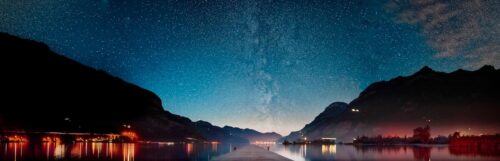
A breathtaking nightscape by Sirun Tang showing the Milky Way above a still lake, framed by mountains and dotted with warm lights along the shore.

Sirun, how did you first get into photography, and how has your passion evolved over time?

My passion for photography began with capturing starry skies, atmospheric landscapes, and uncovering beauty in everyday scenes. Initially intrigued by the technical challenges of astrophotography, I soon realised that photography was more than just capturing stars, but also about expressing deeper emotions and perspectives.

Studying filmmaking further shaped my approach, teaching me the art of storytelling through thoughtful composition, precise lighting, and evocative use of colour.

Today, photography is my medium for exploring and revealing the subtle, overlooked narratives hidden within everyday moments. Ultimately, photography has evolved beyond a passion and become a fundamental part of my lifestyle.

Can you share an instance where a “mistake” during a photoshoot actually turned into a major breakthrough or a cool new discovery?

Ocean waves crash against the shore at sunset, with water splashing into a shape resembling a galloping horse, captured by Sirun Tang.

In the summer of 2022, I was photographing a sunrise on the coast of Xiamen, China. While I intended to capture the sunrise itself, I accidentally captured a wave shaped remarkably like a galloping horse crossing the shore. It was a completely unplanned yet powerful moment.

What lessons have you learned from your earliest photos that still apply today?

“Observe and wait for the right moment, rather than pressing the shutter hastily.”

Anticipation and observation are key to capturing powerful street photography. I’ve learned to first carefully observe through the viewfinder, waiting for just the right instant to unfold. Imagine the Master of Photography, what goes through their minds before pressing the shutter?

Passengers inside a dimly lit city bus during a Bristol evening commute, with warm orange handrails contrasting against the cool dusk outside, captured by Sirun Tang.

Glimpses of Bristol – A Sunset Commute: Captured at Bristol station, after taking several shots, I caught the perfect moment when the subject’s face was illuminated from within the bus.
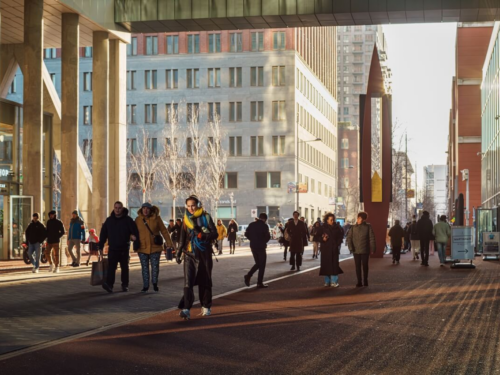
People walking through a modern city street in The Hague during golden hour, with warm sunlight casting long shadows between tall buildings, captured by Sirun Tang.

Sunset Stroll – The Hague’s Modern Pathways: Taken outside The Hague Central Station, where sunlight dramatically illuminated pedestrians’ faces.
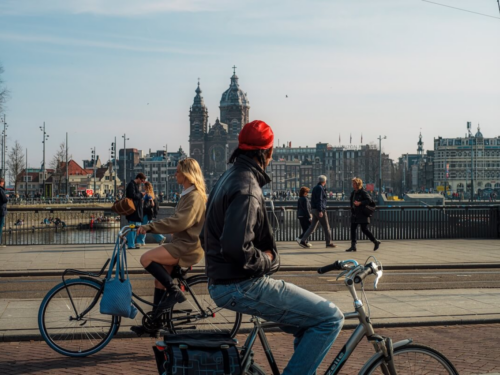
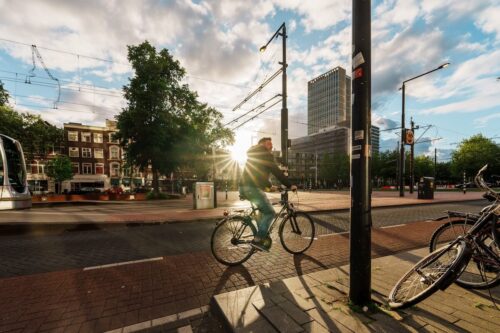
Bicycle City Rhythms – Amsterdam in Motion: Amsterdam’s city centre, where bicycles create an endless rhythm, connecting visually with the distant church.

What books, films, or albums have significantly influenced your approach to visual storytelling, shaping your artistic vision and techniques?
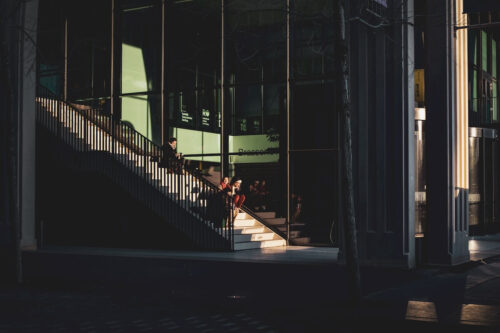
Alfonso CuarĂ³n’s Roma has profoundly influenced my approach to composition and lighting. The film’s static framing and subtle use of natural light have shown me the emotional depth inherent in everyday scenes.
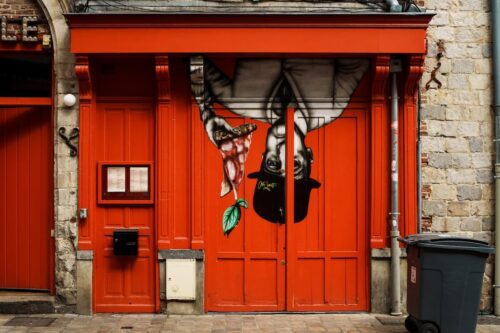
In my photography, I often seek out quiet yet evocative moments—soft sunlight on cobblestone streets, architectural symmetry under vast skies, or warm lights reflected on still water. Such scenes invite viewers to pause, reflect, and connect deeply with everyday life’s subtle beauty.

Has a fresh perspective ever changed an old idea for you? How so, and what was the impact of that shift in thinking?

I frequently revisit my past work and discover new interpretations. Sometimes, revisiting a single image changes my perspective and impacts the entire series, leading me to update the project as a whole. I save images that resonate strongly with me locally, ready to showcase them when future projects or exhibitions arise.

What role does planning play in your shoots, and how much do you leave open to spontaneity?

Planning plays an essential role when shooting landscapes and portraits, ensuring efficiency and high-quality results. However, my most moving photographs often emerge spontaneously—a sudden beam of light, an unplanned gesture by a passerby, or a fleeting atmosphere. Preparation enables me to be at the right place and ready, but remaining open allows me to truly capture the essence of the moment.

Are there any camera techniques or settings you wish you had mastered sooner?

I wish I had embraced shooting in Manual mode sooner, paired effectively with light metering. Manual mode truly teaches you the essence of photography—the interplay of aperture, shutter speed, and ISO. Light metering in Manual isn’t merely a reference; it’s essential for quickly judging exposure in challenging conditions, helping me consciously decide whether to capture natural accuracy or deliberately break away from standard exposure for artistic effect. This confidence and control develop only through constant practice.

A close-up of a red fox peering through tall grass with intense amber eyes, captured by Sirun Tang in stunning detail and soft background blur.

What’s something you wish more people knew about being a photographer?

I hope more people realise that photographers do more than just press a shutter—we tell stories through images. Behind every impactful photograph lie countless hours of waiting, observing, contemplating, and meticulous post-processing. Photography isn’t merely about capturing what’s visible; it’s about expressing the hidden narrative and emotion of every captured moment.

What’s in your camera bag that no one would expect?

I always carry a small notebook containing pre-researched locations, promising shooting angles, and important considerations, such as areas requiring heightened awareness of privacy or special preparations due to weather conditions. This notebook keeps me organised yet flexible during urban explorations.
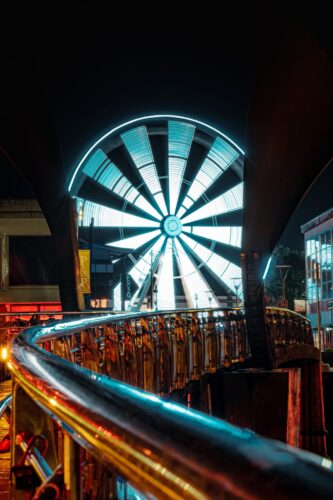
Where do you see the future of photography heading?

Undoubtedly, technology will continue making photography more accessible and efficient. Yet, the true distinction of photographers will remain their cultivated aesthetic judgment and the thoughtful time invested into each photo. Social platforms overflow with visually appealing images, but truly meaningful photographs, the ones you revisit, reflect patience, profound perspectives, and authentic human connections. Technology can capture an image, but it cannot replace the genuine connection between humans and the world.

The future of photography lies not in technology alone, but in photographers who continue to explore deeper significance and emotional connections through their craft.

Thank you for joining us Sirun. Is there a recent shoot or project you would like to share or promote?
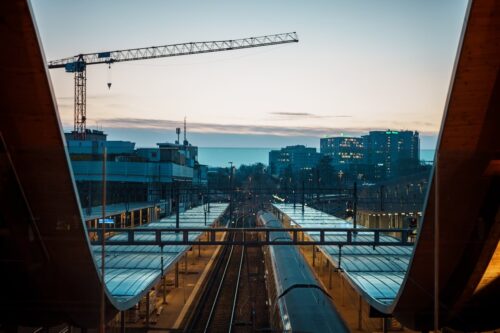
Urban Echoes is an ongoing photographic journey exploring Europe’s vibrant cities. Through careful observation of architecture, streetscapes, and candid everyday moments, this project reveals the unique rhythms and moods hidden in each city’s details.
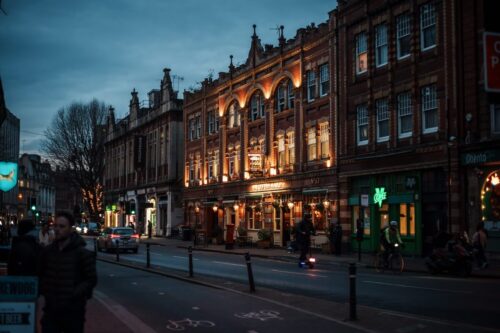

Whether it’s the fleeting golden hour in Rotterdam, the quiet symphony of twilight in Bern, or the poetic reflections in Amsterdam’s canals, each photograph aims to capture the essence and personality of urban life in a subtle yet meaningful way.

Colorful gabled windows on a red-tiled roof in Zaandam, Netherlands, captured by Sirun Tang, showcasing a whimsical Dutch architectural style.

Extended reading: 10 up-and-coming photographers on 500px to watch out for on World Photography Day

The post Sirun Tang: 500px Photographer Spotlight appeared first on 500px.

[NDN/ccn/comedia Links]
World Photography Day 2025: Why We Shoot

World Photography Day 2025 is more than a celebration of cameras, lenses, and shutter speeds. It’s a moment to reconnect with the why behind the image—a day to honor the stories, memories, and emotions photography preserves.

At 500px, we believe that photography is more than a craft—it’s a personal language, a creative outlet, and a way of understanding the world. Every photographer, from amateur to professional, carries a different reason for why they shoot. For some, it’s about documenting fleeting beauty. For others, it’s about storytelling, emotional release, or quiet reflection.

So this year, we’re asking a simple but powerful question:

World Photography Day 2025: Why do you shoot?

It’s a question that strips away technical perfection and brings us back to the heart of the art form. It’s about remembering why we first picked up a camera—and why we keep coming back to it. It’s about the moments that move us, the stories we want to preserve, and the ways photography has helped us grow, connect, or even heal.

To inspire this reflection, we asked 500px Ambassadors around the world to share what photography means to them. Their words are raw, honest, and moving—reminding us that photography is as personal as it is universal.

What Photography Means to 500px Ambassadors

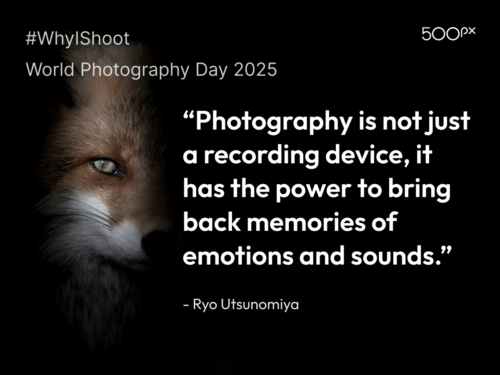
World Photography Day 2025 quote graphic featuring a close-up of a fox’s face with the quote by Ryo Utsunomiya: ‘Photography is not just a recording device, it has the power to bring back memories of emotions and sounds.’

“Photography is not just a recording device, it has the power to bring back memories of emotions and sounds.” — Ryo Utsunomiya

For Ryo, photography is a time machine—more than visual documentation, it transports you back to feelings, atmospheres, and sensations long forgotten.

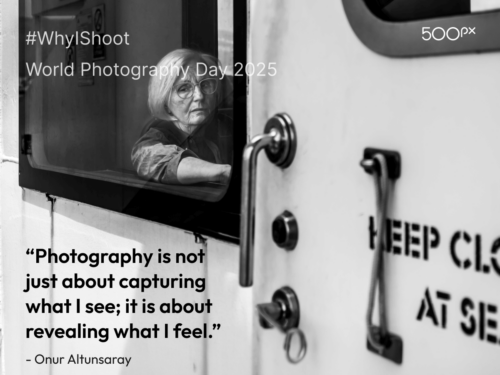
World Photography Day 2025 quote graphic featuring a black and white photo of an elderly woman with glasses looking out from a window, accompanied by Onur Altunsaray’s quote: ‘Photography is not just about capturing what I see; it is about revealing what I feel.’

“Photography is not just about capturing what I see; it is about revealing what I feel.” — Onur Altunsaray

Onur turns emotion into imagery. His photography becomes a mirror of his internal world, revealing sentiments that words can’t always express.

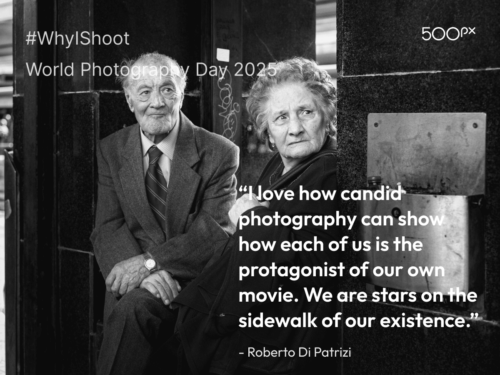
World Photography Day 2025 quote graphic featuring a black and white candid photo of an elderly man and woman sitting outside a building, paired with Roberto Di Patrizi’s quote: ‘I love how candid photography can show how each of us is the protagonist of our own movie. We are stars on the sidewalk of our existence.’

“I love how candid photography can show how each of us is the protagonist of our own movie. We are stars on the sidewalk of our existence.” — Roberto Di Patrizi

Roberto sees street photography as cinematic storytelling—honoring people in their quiet, everyday moments and showing that we’re all leading characters in our own lives.

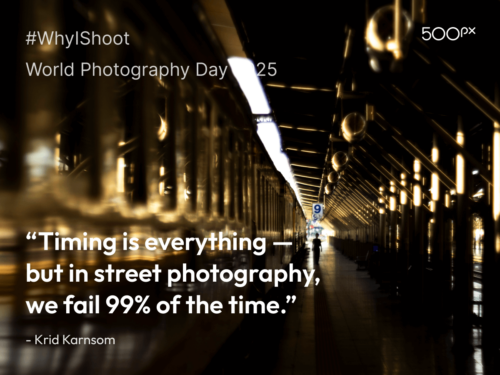
World Photography Day 2025 quote graphic featuring a moody, dimly lit train station with a lone figure walking along the platform, paired with Krid Karnsom’s quote: ‘Timing is everything — but in street photography, we fail 99% of the time.’

“Timing is everything — but in street photography, we fail 99% of the time.” — Krid Karnsom

Krid acknowledges the raw truth of the street: it’s chaotic, unpredictable, and humbling. But it’s also real—and that’s where its beauty lies.

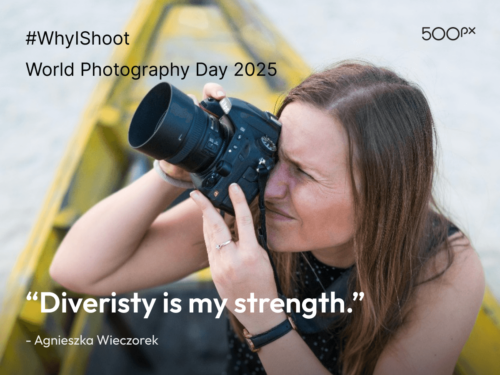
World Photography Day 2025 quote graphic featuring Agnieszka Wieczorek aiming her camera while seated in a yellow boat, paired with the quote: ‘Diversity is my strength.’

“Diversity is my strength.” — Agnieszka Wieczorek

Agnieszka embraces photography as a tool for identity and inclusion. Her lens captures differences, celebrates individuality, and turns it into powerful visual language.

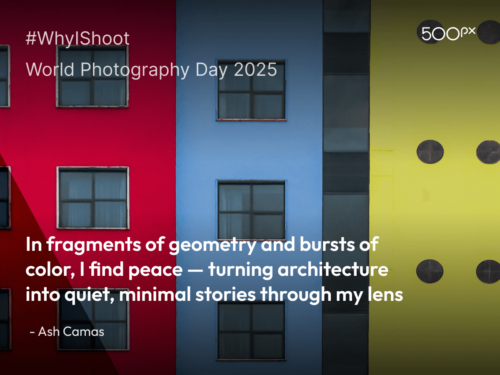
World Photography Day 2025 quote graphic featuring a colorful architectural facade with red, blue, and yellow sections and symmetrical windows, paired with Ash Camas’ quote: ‘In fragments of geometry and bursts of color, I find peace — turning architecture into quiet, minimal stories through my lens.’

“In fragments of geometry and bursts of color, I find peace — turning architecture into quiet, minimal stories through my lens.” — Ash Camas

Ash finds tranquillity through structure. Photography becomes a way to carve calmness from complexity, finding art in the lines and silence of the built environment.

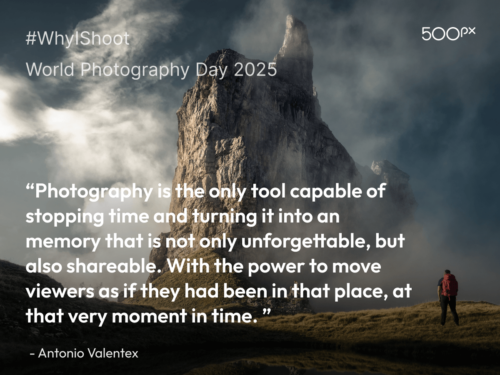
World Photography Day 2025 quote graphic featuring a dramatic mountain peak shrouded in mist with a lone hiker in a red jacket, paired with Antonio Valentex’s quote: ‘Photography is the only tool capable of stopping time and turning it into an memory that is not only unforgettable, but also shareable. With the power to move viewers as if they had been in that place, at that very moment in time.’

“Photography is the only tool capable of stopping time and turning it into a memory that is not only unforgettable, but also shareable. With the power to move viewers as if they had been in that place, at that very moment in time.” — Antonio Valentex

Antonio’s words remind us of photography’s most magical gift—its power to let others feel what you felt, see what you saw, and be there with you, if only for a second.

A Global Reflection for World Photography Day 2025

As we celebrate World Photography Day 2025, let these reflections serve as an invitation to pause and look inward. Photography is more than an aesthetic. It’s emotion, memory, culture, healing, voice, curiosity, and joy.

Some of us shoot to document the truth. Some to escape. Some to belong. Some to process. Some to share, and some to simply see.

There is no right answer—only your own.

Join the Conversation

This World Photography Day 2025, we want to hear your story. What’s your “why”?

  • Post a photo on social media that captures your reason for shooting
  • Tag @500px and use the hashtag #WhyWeShoot
  • Fill out our Instagram Story Template to reflect on your journey
  • Or leave a comment sharing your personal connection with photography

Whether you’re capturing the chaos of the streets, the quiet of a morning light, or the joy in someone’s eyes, your “why” matters.

Let’s celebrate the stories behind the photos, together.

Extended reading: How to talk about your work: Eight tips for photographers

The post World Photography Day 2025: Why We Shoot appeared first on 500px.

[NDN/ccn/comedia Links]

Thursday, August 7, 2025

Enhancing Landscape Photography during Golden Hour

Golden hour—the brief window just after sunrise or before sunset—is a magical time for landscape photographers. The low angle of the sun casts long shadows and bathes the world in warm, golden tones, enhancing textures, colors, and depth. Whether you’re capturing mountain ranges, seascapes, or open fields, mastering golden hour light can elevate your photos from ordinary to extraordinary.

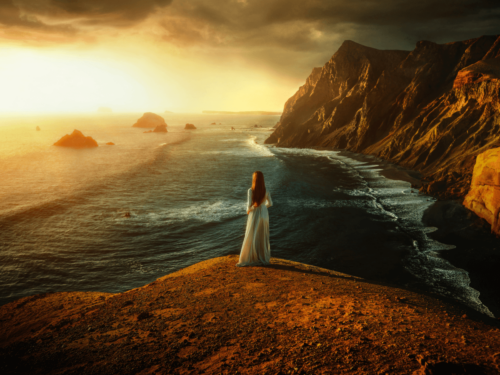
A woman in a white dress overlooks a dramatic coastal cliff at golden hour, exemplifying scenic compositions through scale, light, and natural beauty.

Why Golden Hour Light Transforms Landscapes

Golden hour light is soft and diffused, reducing harsh contrasts and providing a natural warmth that enhances the landscape’s visual appeal. Compared to the flatness of midday sun, golden hour offers:

  • Enhanced textures: Low-angle light reveals surface details in rocks, trees, and terrain.
  • Vibrant color tones: Warm yellows, oranges, and reds create a dreamy, painterly effect.
  • Natural depth: Shadows become longer, creating depth and dimension in your scene.

Planning for the Perfect Shot

Timing and location are everything in golden hour photography. Use apps like PhotoPills or The Photographer’s Ephemeris to determine exact sunrise and sunset times, as well as light direction.

Scout in Advance

Arrive early to explore compositions, adjust your gear, and anticipate how the light will move across the landscape.

Consider the Foreground

Layer your composition with interesting foreground elements—flowers, rocks, or water—to create visual depth and guide the viewer’s eye.

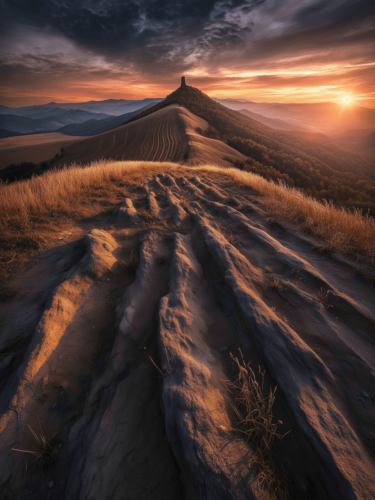
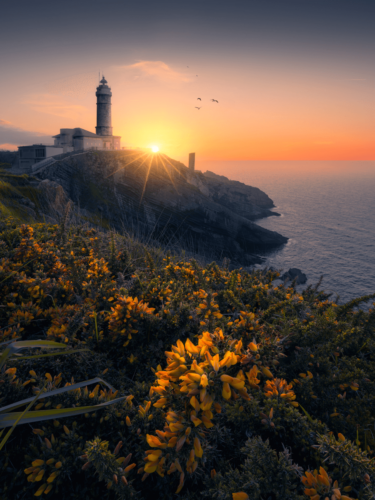
A sunset view of a winding mountain ridge with carved textures and distant peaks, showcasing leading lines and balance in scenic compositions. A glowing sunset behind a coastal lighthouse with vibrant yellow flowers in the foreground, illustrating scenic compositions with layers of light, color, and depth.

Camera Settings and Techniques

Getting the best out of golden hour light also means fine-tuning your camera settings.

  • Use a tripod to maintain sharpness in low light.
  • Set a narrow aperture (f/8 to f/16) to keep most of the scene in focus.
  • Adjust white balance manually to preserve the warmth of golden hour tones.
  • Shoot in RAW to retain flexibility for post-processing.

Golden Hour Tip

Leverage Backlight for Atmospheric Effects
During golden hour, position the sun behind trees, mountains, or your subject to create a natural rim light or glow. This backlighting can highlight textures like mist, grass, or leaves, adding a soft, ethereal quality to your landscape. Try slightly underexposing to preserve details in the highlights while deepening the golden tones.

A small figure stands on a grassy hilltop surrounded by misty forest and a glowing sun, highlighting the mood and depth in scenic compositions.

Going Beyond the Sunset

Don’t pack up right after the sun dips below the horizon. The light during blue hour—the 20–30 minutes following sunset—can be equally stunning, offering cooler tones and moody shadows that complement golden hour shots in a series.

Extended reading: Creative Lighting Setups to Enhance Your Portraiture

The post Enhancing Landscape Photography during Golden Hour appeared first on 500px.

[NDN/ccn/comedia Links]