Thursday, October 30, 2025

Soulful Seasonal Portraits with Natural Backdrops

Fall offers a rich tapestry of natural elements, changing leaves, soft light, and textured landscapes that make it an ideal setting for emotive, story-driven portraiture. Capturing soulful seasonal portraits with natural backdrops means using your surroundings to amplify emotion, create visual harmony, and enhance storytelling. Here’s how to elevate your portraits this fall.

Soulful seasonal portraits of a red-haired woman lying on a bed of autumn leaves, her vibrant hair blending beautifully with the earthy tones.

Creating Soulful Seasonal Portraits with Natural Backdrops

Autumn evokes introspection and nostalgia, which can be mirrored in your portraits through expression, light, and location. When photographing soulful seasonal portraits with natural backdrops, think about how the environment contributes to the overall feeling. A lone figure among golden trees or soft light filtering through falling leaves can set the tone for something timeless and intimate.

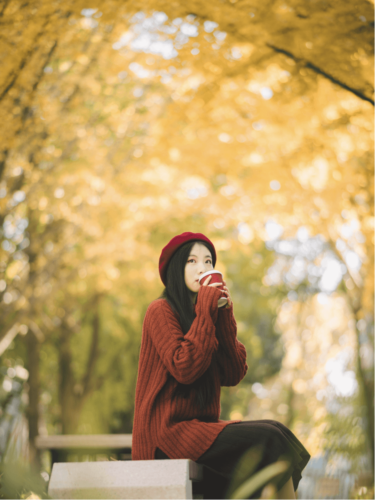
Soulful seasonal portraits of a couple sharing a joyful moment outdoors during fall, surrounded by warm golden foliage. Soulful seasonal portraits of a woman in a red beret sipping coffee under golden autumn trees, bathed in soft seasonal light.

Pro Tip: Use the Landscape to Evoke Emotion

Frame your subject within the landscape in a way that highlights scale, space, and emotion. Wide shots with negative space can evoke solitude, while tighter frames surrounded by warm tones suggest comfort or closeness.

Choosing and Using Your Backdrop Thoughtfully

Natural backdrops should feel intentional, not incidental. Scout for locations that offer texture, depth, and color harmony:

  • Forest trails with fallen leaves
  • Open fields with golden grasses
  • Lakesides with soft reflections
  • Tree-lined paths at golden hour

Position your subject with the light, side light adds depth, while backlight enhances mood and softness.

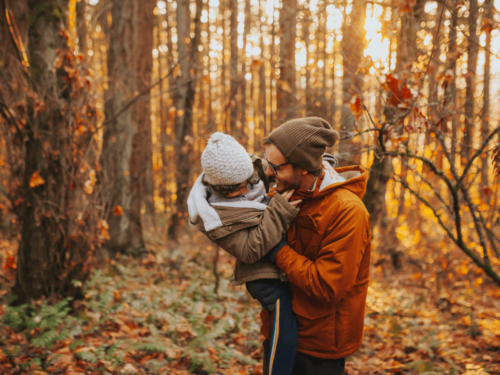
Soulful seasonal portraits capturing a father and child laughing together in a sunlit autumn forest filled with orange leaves.

Guiding Your Subject for Genuine Emotion

A soulful portrait is more than a good backdrop. Engage with your subject, ask them to move slowly, or think about a personal memory. Capture in-between moments: a glance over the shoulder, an exhale, a gentle smile. Let natural gestures guide your frame.

Extended reading: Crafting Compelling Stories Through Your Lens

The post Soulful Seasonal Portraits with Natural Backdrops appeared first on 500px.

[NDN/ccn/comedia Links]

Thursday, October 23, 2025

Photographing Fog, Frost, and Transition Light

Autumn isn’t just about fiery foliage, some of the most poetic moments happen on misty mornings and frost-kissed fields. Photographing fog, frost, and transition light allows photographers to capture the quiet, in-between moments that define the season’s mood. These conditions offer subtle light, soft textures, and ephemeral beauty that lend themselves perfectly to atmospheric imagery.

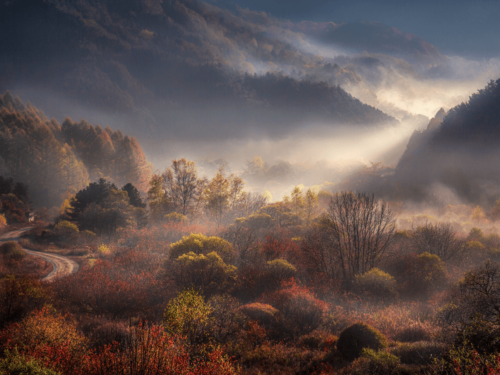
A misty valley at sunrise with soft fog drifting between forested hills, showcasing the delicate transition light and frosty textures of autumn.

Embracing Atmosphere: Photographing Fog, Frost, and Transition Light

The combination of fog, frost, and transition light creates a dreamy softness that transforms ordinary scenes into magical compositions. These conditions often occur during early mornings or late evenings, so timing is everything.

  • Fog acts as a natural diffuser, softening highlights and shadows.
  • Frost adds delicate texture and shimmer to leaves, grass, and surfaces.
  • Transition light, especially during dawn or dusk, adds dimension and mood.

Seek out wide-open spaces like meadows, lakesides, or forest paths where mist can hang low and catch the light just right.

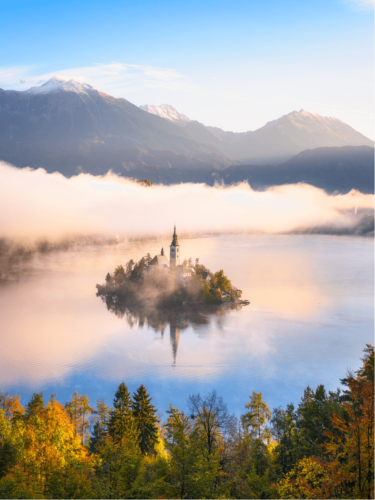
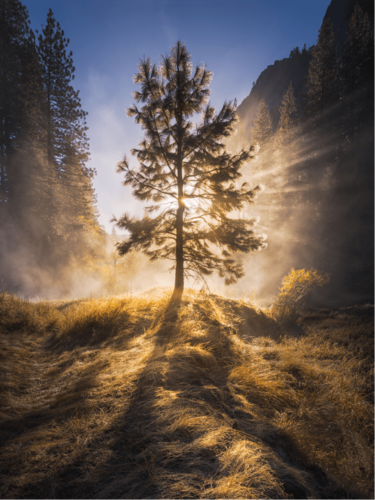
Morning fog surrounding a small island church on a calm lake, illuminated by gentle transition light reflecting off the water and mist. A lone tree glowing with sunlight streaming through fog in a forest, creating a striking silhouette effect with golden morning light.

Best Settings for Capturing Delicate Detail

To do justice to these fleeting scenes, adjust your settings to capture both atmosphere and texture:

  • Use a wide aperture (f/2.8–f/5.6) to emphasize shallow depth of field, especially for frost.
  • Slightly underexpose foggy scenes to preserve the subtle tonality.
  • Shoot in RAW for more control in editing; fog and frost can easily be washed out in JPEGs.

Stabilize your camera with a tripod if you’re shooting in low light, especially during early mornings.

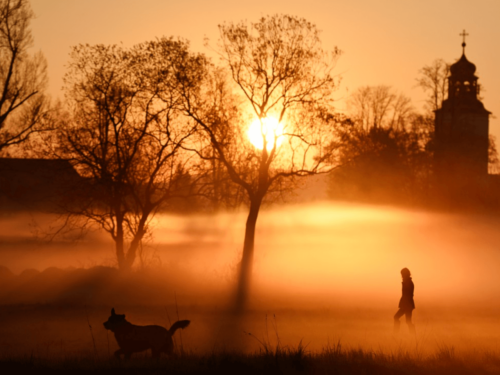
A person and dog walking through golden morning fog under trees, the silhouettes softly defined by diffused light resembling the glow of frost and dawn.

Creative Ideas for Fog, Frost, and Transition Light Photography

  • Silhouettes in fog: Backlit subjects in fog can create haunting, ethereal silhouettes.
  • Macro frost: Get close to frosted leaves, grass blades, or windows to reveal intricate crystal patterns.
  • Golden haze: When fog meets sunrise, it glows—frame with trees or architecture for added contrast.

Transition light is brief, so plan your shot before the light changes. Arrive early, scout your location, and anticipate where the light will fall.

Extended reading: How to create ethereal photos on misty mornings

The post Photographing Fog, Frost, and Transition Light appeared first on 500px.

[NDN/ccn/comedia Links]

Thursday, October 16, 2025

Shooting with Fall’s Golden Palette

Autumn is a dream season for photographers, with trees cloaked in rich hues of amber, gold, and russet. Shooting with fall’s golden palette offers an opportunity to create warm, emotive, and textured images that resonate with viewers. But working with such intense colors also comes with challenges; compositional choices, lighting conditions, and editing all play a role in capturing the mood.

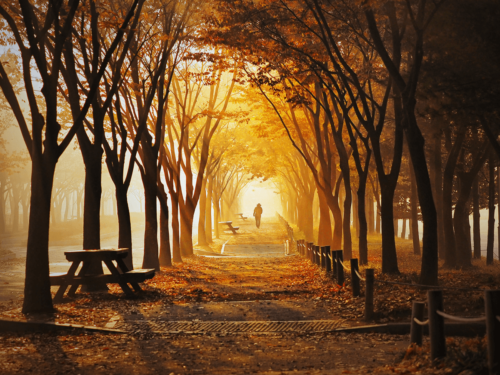
A person walking along a tree-lined path glowing with autumn sunlight, surrounded by warm hues of orange and gold that embody a golden palette.

Finding the Right Scene When Shooting with Fall’s Golden Palette

Golden tones can be found everywhere from forests and parks to quiet country roads and even city sidewalks. The key to shooting with fall’s golden palette is to look for scenes where the color is concentrated and naturally composed.

  • Focus on trees with dense canopies of yellow or gold.
  • Include ground-level leaves for added texture and harmony.
  • Frame your subject with backlighting to make colors glow.

Try using polarizing filters to reduce glare and enhance the vibrancy of your shots.

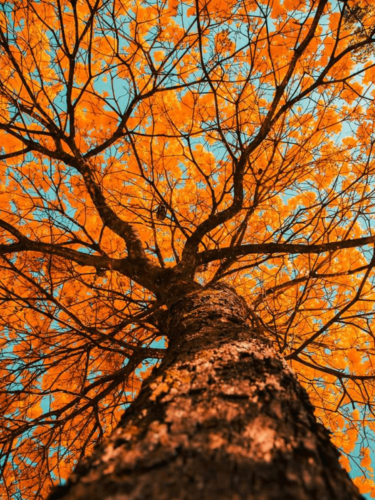
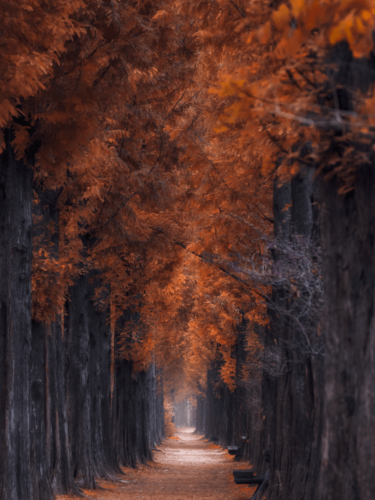
Upward view of a tree with vibrant orange leaves against a blue sky, showcasing the rich tones and warmth of a golden palette in autumn. A tree-lined path glowing under soft autumn light, with deep orange leaves creating a warm and moody tunnel effect.

Golden Hour Meets Golden Leaves

Autumn light is already warm, but when paired with golden hour, it becomes magical. The low sun adds softness and directionality that brings warmth and dimensionality to your scene.

  • Use sidelighting to accentuate texture in foliage and bark.
  • Backlighting creates glowing edges around leaves or people.
  • Position your subject to interact with the warm light like walking through a sun-drenched path or pausing in a beam of late-day sun.

Tips for Balancing Color and Composition

It’s easy to get swept away by colour, but smart composition keeps your images grounded. Here are a few tips to help:

  1. Simplify the frame: Isolate a few strong shapes or colors rather than trying to capture everything at once.
  2. Include contrast: Gold pops more when placed next to cooler tones like blue skies, deep shadows, or neutral clothing.
  3. Mind the exposure: Meter for highlights to avoid blowing out the brightest leaves.

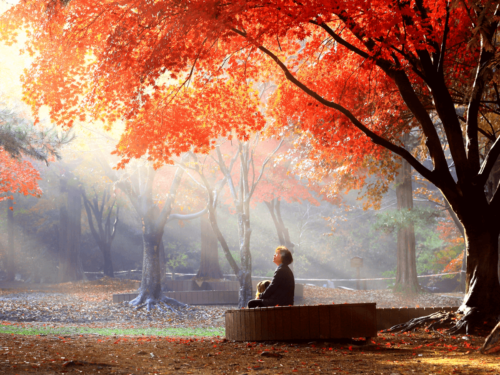
A person sitting under a tree with glowing red leaves as gentle autumn light filters through the forest, creating a warm and peaceful atmosphere.

Bring the Golden Mood into Post-Processing

Enhance the golden tones without oversaturating. Use HSL (hue, saturation, luminance) sliders to fine-tune yellows and oranges. Adding a subtle vignette or warm color grade can further highlight the mood of fall without making the image feel artificial.

Extended reading: Capturing Emotional Portraits with Golden Hour Light

The post Shooting with Fall’s Golden Palette appeared first on 500px.

[NDN/ccn/comedia Links]

Tuesday, October 14, 2025

Maggie Gongolevich: 500px Photographer Spotlight

The 500px Photographer Spotlight invites you to dive into the minds and methods of the incredible photographers who shape our community. Discover the unique journeys, creative insights, and inspiring stories behind the stunning photos we love.

Close-up portrait of a white greyhound wearing a collar, photographed outdoors by Maggie Gongolevich.

Meet Maggie Gongolevich

A Spain-based photographer whose work beautifully blends her love of dogs and the outdoors. What began with motorsport photography in Poland, where her rally images appeared in print, has since evolved into capturing the bond between animals and nature. With fresh inspiration drawn from travel, landscapes, and her own dogs, Maggie’s photography tells a story of passion and discovery.

Maggie, at what point did you realize photography was your passion? Was it a gradual realization, or an instant epiphany?

My father was an artist at heart. When I was little, he loved drawing and taking photos of nature and of me, but I always hated being photographed. I realized that if I showed interest in his camera, he’d focus on teaching me instead of pointing it at me. It was an old Zenith, and it was beautiful; my plan worked, I was able to learn from him instead of always being a subject in his photos.
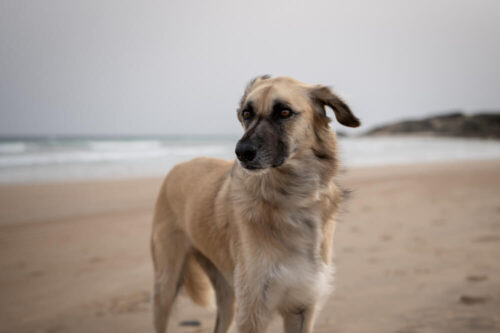
Brown dog standing on a sandy beach with the ocean in the background, captured by Maggie Gongolevich.

Let’s go back to the very beginning. Can you tell us about the story behind your very first camera?

Which one? It’s hard to say which was my very first. I grew up in Poland, where we mostly had access to Russian cameras. My dad had an old one he didn’t use anymore, so I started playing with it, though it wasn’t great.

Later, for one of my birthdays, I got a simple compact camera that allowed me to take photos on school trips and around my town. I always made sure to buy the film with the most frames and always two rolls, just in case.

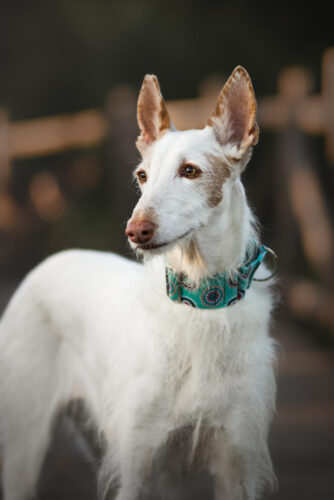
Brown dog with wide eyes and open mouth catching a treat mid-air, photographed by Maggie Gongolevich. White dog with brown markings wearing a turquoise patterned collar, looking alert outdoors, photographed by Maggie Gongolevich.

What’s harder—getting the perfect shot, or getting the pet to sit still for it?

It depends on the pet. For me, the perfect shot in pet photography is a mix of the photographer’s vision and the dog’s expression at the exact millisecond you press the shutter. Some photos were saved by the dog’s expression at the right time, and others turned out great because everything went according to plan. For example, one of my dog, Suki, is a natural-born model.+
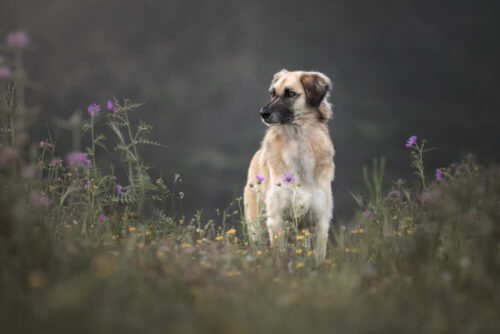
She’ll stand still, jump over obstacles, and always look her best whenever I have a camera. The other three? They’re stunning too, but getting a good photo of them is more about luck than planning.

The bond between a photographer and their subject is paramount, especially when that subject happens to have four legs. How do you cultivate that trust before the lens is even uncapped?

Sometimes the camera itself sparks their curiosity, and a curious dog is already halfway to a successful photo shoot. But there’s no one-size-fits-all. It depends on the animal’s personality. Some need space, some need encouragement, and the super-excited ones often need to be ignored a little. It’s all about adapting to the situation and the model in front of you.
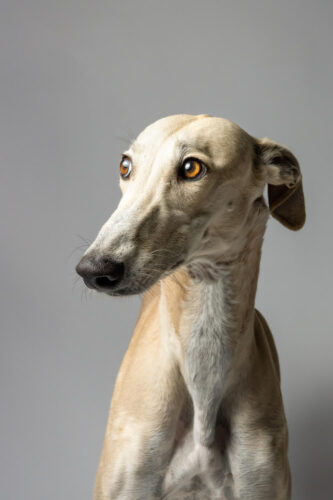

 

Do you secretly think some pets are natural models, and others just aren’t?

Of course, and not secretly at all!+
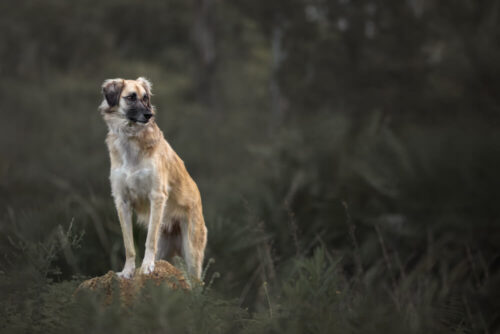
My dog Suki is a complete supermodel, while the others are not as comfortable, and one is even completely camera-shy. When I first started photographing at the shelter, I noticed the same thing. Some dogs, who probably had never seen a camera in their lives, somehow just knew to stand tall and look their best. Others, not so much.
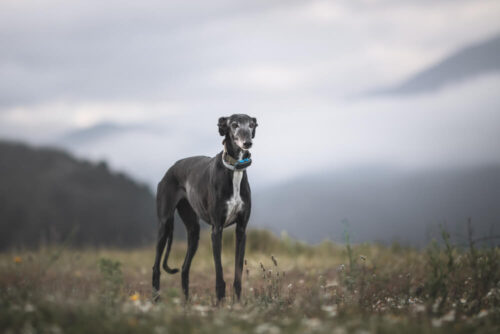
What’s one thing people don’t realize about photographing animals until they try it?

We often see perfectly posed animal photos online, with tutorials on how to place their legs or direct their gaze. But in reality, most dogs aren’t that well-trained, and even well-trained ones may behave differently in front of the camera. I think many people don’t realize how random and chaotic it can be, but that’s also the beauty of it. Some of my best shots came out of complete chaos.
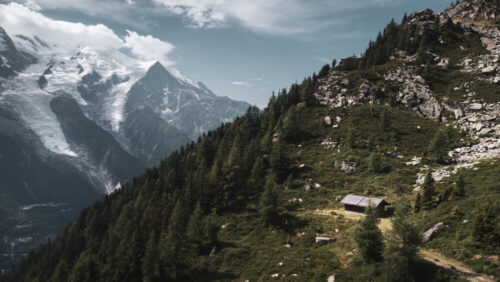
Is there a landscape you’ll never tire of photographing?

For me it would be mountains and the ocean. Nothing in between, really. Mountains look different every single time, and with the ocean, I adore the colors and how they change depending on the weather.
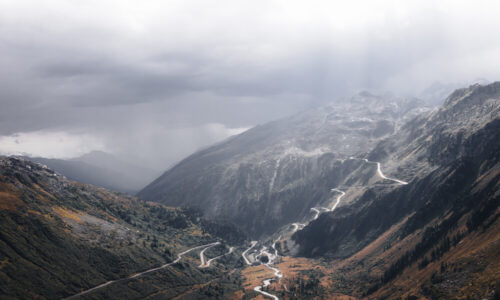
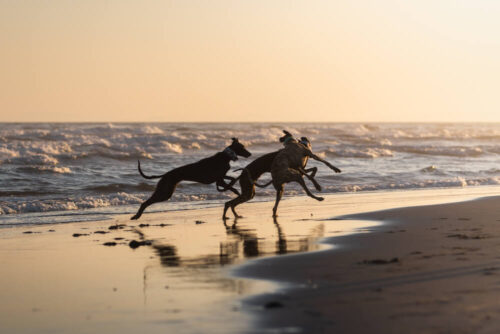
Two dogs playfully running along the beach at sunset with waves in the background, photographed by Maggie Gongolevich.

What’s a hidden gem destination you think more photographers should know about?

Tabernas Desert in Spain. It’s just one of many spectacular landscapes in this amazing country, but it brings completely different vibes from what most people imagine when they think of Spain.
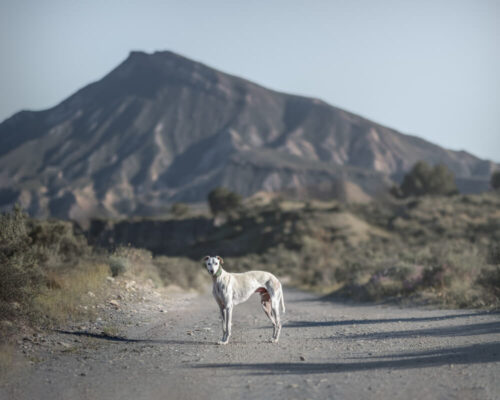
White dog standing on a dirt road with a mountain in the background, captured in soft natural light by Maggie Gongolevich.

How do you feel that photography has changed the way you see the world around you?

I don’t think photography changed that, I was drawn to it because of the way I see the world. I’ve always noticed details, gestures and found beauty in the scenes in front of me. Photography simply became my way of expressing that.


Scenic view of white buildings and palm trees with a tall mosque minaret in the background, photographed by Maggie Gongolevich. Cluster of whitewashed buildings with domed rooftops and satellite dishes under a pale sky, photographed by Maggie Gongolevich.

Do you have a recent or upcoming shoot or project you would like to share or promote?

I’ve recently started exploring equine photography. I now have my very own equine model, so I’ll definitely be sharing more horse photos on my feed soon. Stay tuned!

Read more 500px Photographer Spotlight interviews: Andrea Gambirasio

The post Maggie Gongolevich: 500px Photographer Spotlight appeared first on 500px.

[NDN/ccn/comedia Links]

Thursday, October 9, 2025

Capturing Autumn in the Woods: Composition Tips

Fall transforms forests into dreamlike scenes filled with colour, texture, and atmosphere. For photographers, it’s the perfect season to refine your compositional skills while soaking in nature’s vibrant display. Capturing autumn in the woods requires more than just pointing your camera at pretty leaves, it’s about framing nature in ways that tell a story, evoke emotion, and guide the viewer’s eye.

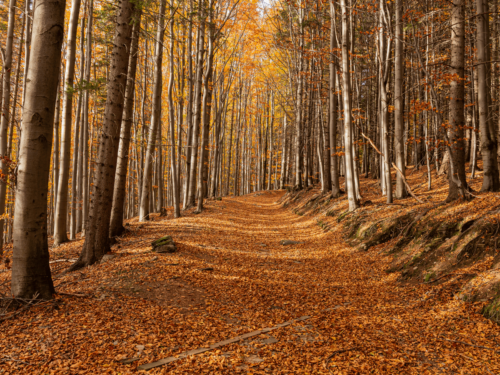
A forest trail blanketed in golden leaves during fall, showcasing the warm hues and soft light of capturing autumn in the woods.

Framing for Impact When Capturing Autumn in the Woods

Strong composition begins with awareness of the elements in your frame. Think of the woods not just as a background, but as an active participant in your image.

  • Use tree trunks to create natural frames for your subject.
  • Look for paths or leading lines like fallen logs or trails to draw the eye inward.
  • Incorporate negative space like fog, sky, or open glades, for balance.

The key to capturing autumn in the woods is slowing down. Take time to explore different perspectives and experiment with foreground elements like branches or mushrooms to add depth.

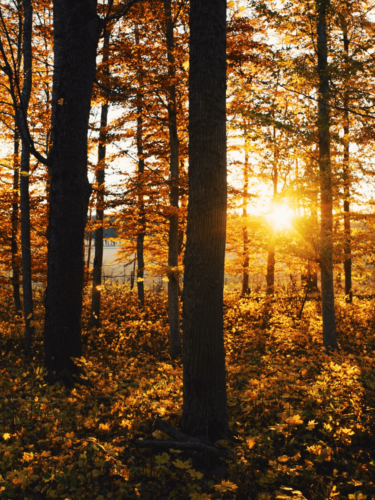
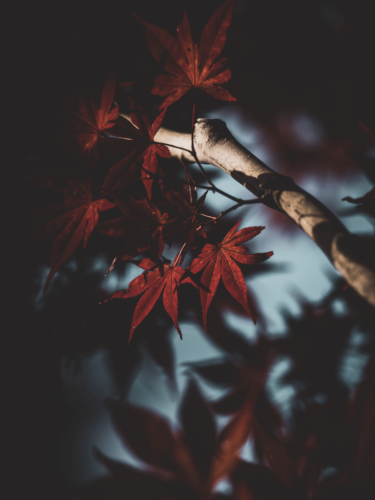
Sunlight streaming through trees in a golden forest, beautifully capturing autumn in the woods with glowing light and rich colors.  Close-up of red maple leaves against a soft blue sky, illustrating fall composition tips through contrast and depth.

Light and Colour: Essentials for Capturing Autumn in the Woods

Golden hour in a forest creates magical lighting conditions, soft beams, filtered shadows, and warm tones. Use this to your advantage by:

  • Backlighting leaves to make their colours glow.
  • Capturing contrast between sunlit and shaded areas to add dimension.
  • Shooting during early morning mist for atmosphere and mood.

Keep an eye on how light plays through branches, and remember: you don’t always need sunshine. Overcast days help saturate colour and reduce harsh shadows, making them perfect for leaf detail shots.

Composition Tips to Elevate Your Autumn Forest Photos

To move beyond snapshots, consider these proven composition techniques:

  1. Rule of Thirds: Place key subjects—like a lone tree or person—off-center for a more dynamic feel.
  2. Layering: Include foreground, middle, and background elements to create visual depth.
  3. Symmetry and Balance: Look for reflections in puddles or evenly spaced trees to create pleasing symmetry.

Bonus tip: look up! Shooting from a low angle toward the canopy can yield dramatic images full of shape and repetition.

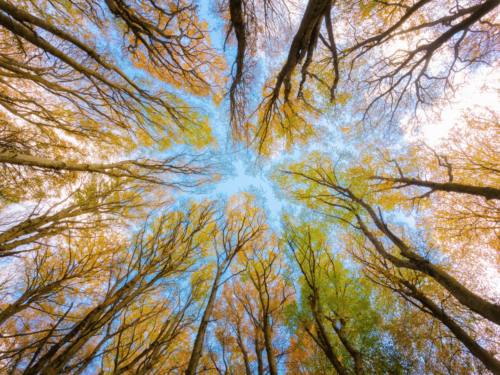
Upward view of tall trees with colorful autumn foliage against a bright blue sky, demonstrating strong perspective and framing for fall composition tips.

Don’t Overlook the Details

While wide-angle forest shots are striking, zooming in on details like bark textures, leaf veins, or fallen acorns tells a quieter story. These images help round out a series and capture the sensory experience of walking through the woods in fall.

Exteded reading: Enhancing Your Storytelling with Strong Compositional Techniques

The post Capturing Autumn in the Woods: Composition Tips appeared first on 500px.

[NDN/ccn/comedia Links]

Thursday, October 2, 2025

Mastering Leaf Photography: Colors, Textures, and Patterns

As the leaves turn brilliant shades of red, gold, and orange, autumn becomes a stunning canvas for photographers. Leaf photography is more than capturing foliage, it’s about exploring shape, detail, and emotion in the smallest subjects of the season. Whether you’re out for a walk or planning a dedicated shoot, learning to photograph leaves with intention can help you craft images that are both timeless and striking.

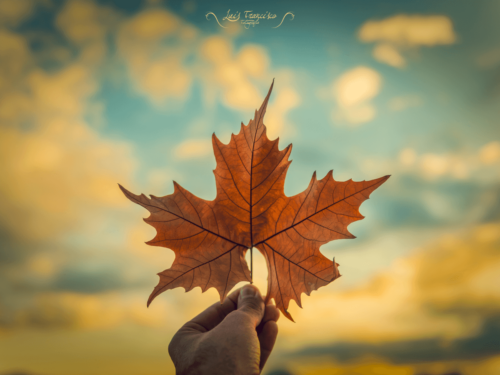
Hand holding a brown maple leaf against a golden sunset sky, showcasing creative leaf photography.

Why Leaves Make Great Subjects

Leaves offer endless variety: no two are ever the same. From fiery maples to earthy oaks, each species carries its own story through shape, vein structure, and hue. In autumn, nature offers a palette rich in saturated tones and crisp detail, the perfect ingredients for compelling compositions.

Playing with Light and Texture with Leaf Photography

Lighting can dramatically change the mood of your leaf shots.

  • Backlighting: Shoot with the sun behind the leaf to reveal intricate vein patterns and translucency.
  • Side lighting: Highlights texture and creates dramatic shadows.
  • Overcast light: Softens contrast and enriches color saturation, perfect for flat-lay arrangements or forest floors.

Try experimenting at different times of day to find your preferred light style. Leaves shot in early morning fog will feel vastly different from ones captured at golden hour.

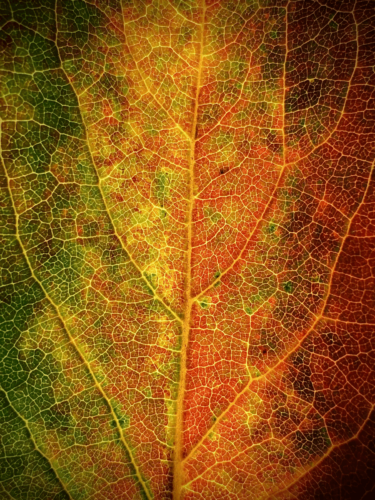
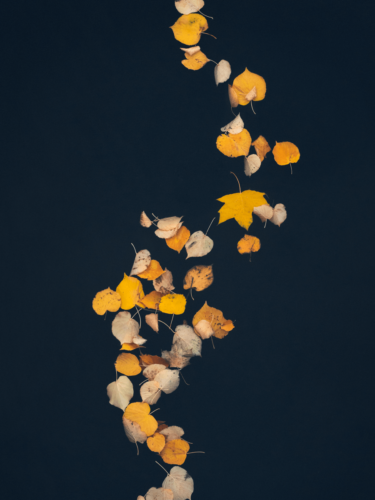
Macro view of autumn leaf veins in vibrant red, yellow, and green tones, highlighting detailed leaf photography. Yellow and orange autumn leaves floating on dark water in an artistic composition, a minimalist approach to leaf photography.

Composing with Intention

When photographing leaves, consider:

  • Isolated details: Use a macro lens or your camera’s close-focus setting to zero in on leaf edges, frost crystals, or rain droplets.
  • Pattern repetition: Capture piles or rows of similar leaves for a rhythmic, graphic feel.
  • Color contrast: Look for leaves that pop against their environment, a red leaf on green moss, or a yellow one on dark pavement.

Use a wide aperture (f/2.8–f/5.6) to create shallow depth of field and direct the viewer’s attention where you want it.

Bonus Idea: Try Flat Lays

Flat lays can turn everyday leaves into creative art. Arrange different shapes or colors into a pattern on neutral backgrounds like wood or paper. Add autumn props (acorns, pinecones, or a steaming mug of tea) to tell a seasonal story.

Flat lay of assorted autumn leaves in different shapes and colors on a white surface, representing seasonal leaf photography.

Bring It Together in Post

Enhance contrast and clarity in your post-processing to bring out the textures of each leaf. Boost vibrance slightly, autumn tones love a little extra pop, but avoid oversaturation. Play with split toning or subtle vignettes to add mood.

Leaf photography is a reminder that beauty doesn’t need to be grand. With a little creativity and attention to detail, even a single fallen leaf can hold an entire story.

Extended reading: Capturing fall foliage

The post Mastering Leaf Photography: Colors, Textures, and Patterns appeared first on 500px.

[NDN/ccn/comedia Links]