Thursday, November 27, 2025

Composing for Mood: Minimalism, Framing, and Negative Space

In photography, composition does more than arrange visual elements, it sets the emotional tone. Composing for mood: minimalism, framing, and negative space is a powerful approach to storytelling, using subtlety and intention to shape how an image feels. By stripping away distractions and focusing on composition techniques, photographers can evoke emotion, guide the viewer’s eye, and create powerful, resonant work.

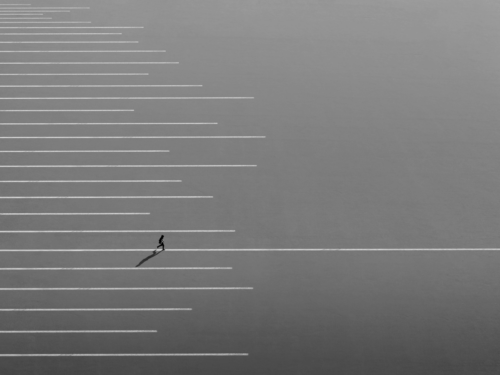
A lone figure walks across an empty parking lot with long diagonal lines creating a minimalist scene, composing for mood through isolation and shadow.

Why Composition Influences Emotion

Composition determines what the viewer sees first, how their gaze moves, and how a photo makes them feel. Simple elements like space, placement, and balance create mood just as effectively as light or color. Composing for mood means understanding how to use these tools deliberately.

Minimalism: Let Silence Speak

Minimalist photography is about intentional simplicity. It often features:

  • Clean, uncluttered backgrounds
  • Singular subjects
  • Emphasis on shape, light, or texture

By removing visual noise, minimalism leaves room for emotion and reflection. A lone tree in a snowy field or a single figure against a blank wall invites the viewer to focus deeply and feel more.

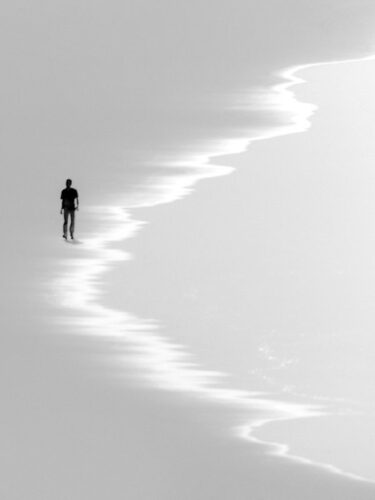
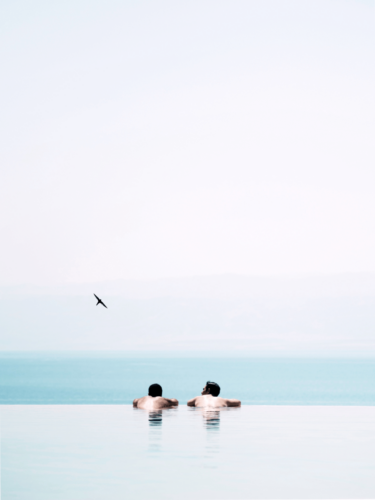
A solitary person walks along a glowing shoreline in soft monochrome light, composing for mood with minimalism and gentle tonal contrast. Two swimmers lean on the edge of an infinity pool as a bird flies overhead, using framing techniques to emphasize negative space and serenity.

Framing for Impact

Framing directs attention. Whether it’s a doorway, window, or natural element like branches or shadows, thoughtful framing:

  • Draws the eye to the subject
  • Creates intimacy or tension
  • Adds visual structure

Use framing to isolate your subject or imply emotional distance. A tight frame can feel intense and personal; a wide frame can convey solitude or openness. It’s all about what emotion you want to evoke.

The Power of Negative Space

Composing for mood often involves letting space speak. Negative space—the empty or open areas around your subject—helps emphasize isolation, calm, or vastness.

Tips for using negative space:

  • Leave breathing room around your subject
  • Use sky, water, walls, or simple textures as your background
  • Experiment with asymmetry to enhance visual tension or serenity

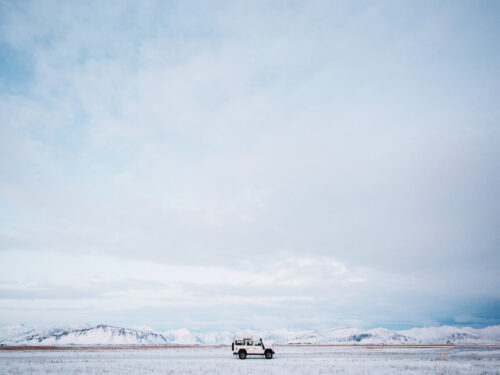
A lone white jeep parked in an expansive snowy field, using framing techniques to highlight scale through a wide sky and distant mountains.

Pro Tip: Emotion Resides in What You Leave Out

The most powerful mood often comes from restraint. Ask yourself: What can I remove from the frame to strengthen the feeling I want to convey? Let your composition breathe, and let viewers linger in the space you’ve created.

Extended reading: Leading lines: Guiding the viewer’s eye

The post Composing for Mood: Minimalism, Framing, and Negative Space appeared first on 500px.

[NDN/ccn/comedia Links]

Thursday, November 20, 2025

Setting the Tone: Color Grading for Emotional Impact

Color isn’t just a visual element, it’s a storytelling device. When used deliberately, color can guide the viewer’s feelings, shape perception, and deepen narrative meaning. Setting the tone: color grading for emotional impact is a crucial post-processing skill that helps photographers infuse mood and atmosphere into their work, well beyond what was captured in-camera.

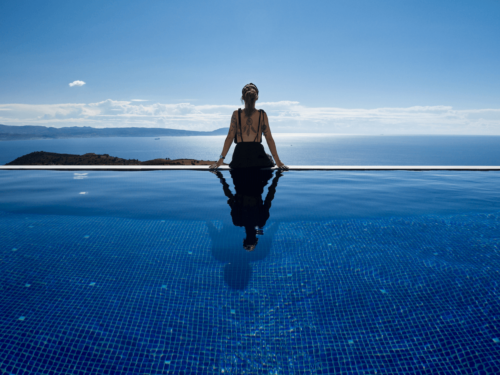
A woman sits at the edge of an infinity pool overlooking a vast blue ocean, with cool-toned color grading enhancing the emotional impact through calm, serene hues.

Why Color Grading Matters

Every image carries an emotional weight, and color is often the first thing that communicates it. Whether it’s the golden warmth of a nostalgic moment or the cool blues of solitude, color grading for emotional impact allows you to amplify the mood and tell a more intentional story.

Through thoughtful adjustments to hue, saturation, and luminance, you can transform a technically perfect photo into a visually moving experience.

Emotional Tones and Their Color Palettes

  • Warm tones (reds, oranges, yellows): Create feelings of joy, nostalgia, energy, or comfort.
  • Cool tones (blues, teals, purples): Evoke calm, isolation, melancholy, or introspection.
  • Desaturated tones: Convey realism, grittiness, or emotional rawness.
  • Split-toned images: Balance warm and cool for complex emotional narratives; think warmth in highlights, coolness in shadows.

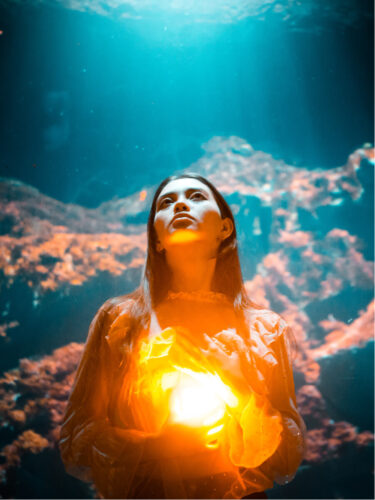
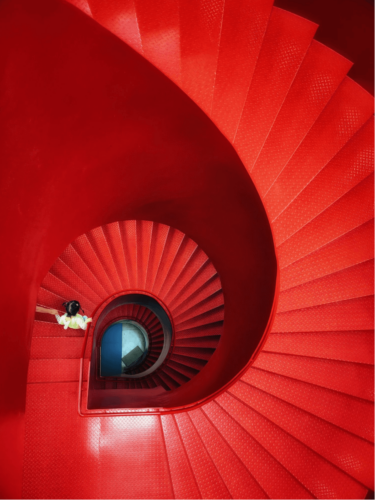
A woman illuminated by a glowing orb held to her chest, surrounded by deep blue underwater tones, showcasing mood editing techniques that blend warm and cool light for dramatic contrast. A vibrant red spiral staircase viewed from above, with bold color grading for emotional impact, emphasizing intense reds and graphic, swirling lines.

Pro Tip: Anchor Your Mood with One Dominant Color

Choose one dominant color family to guide your grading process. This gives consistency and cohesion to your work. A unified palette avoids visual confusion and keeps the emotional tone strong and focused.

Techniques for Color Grading in Post

Here are a few tools and approaches to help with color grading for emotional impact:

  • Curves & Tone Mapping – Adjust highlights, midtones, and shadows to create contrast or soften mood.
  • HSL (Hue/Saturation/Luminance) Panel – Fine-tune specific colors to enhance or mute emotional cues.
  • Split Toning / Color Grading Wheels – Introduce subtle warmth or coolness to highlights and shadows.
  • LUTs (Lookup Tables) – Predefined color grading presets that offer a great starting point for stylization.

Remember, small tweaks go a long way. A heavy hand can make an image feel artificial, while subtle grading keeps the emotion natural.

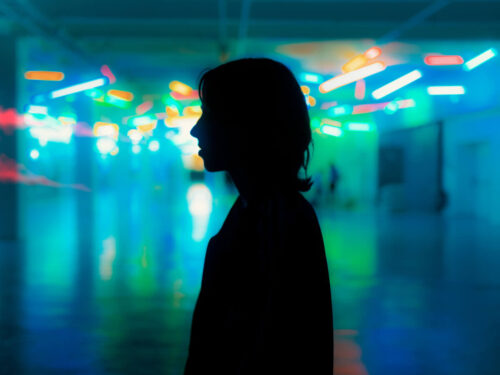
A silhouette of a person standing in a room glowing with neon blue and green lights, using mood editing techniques to create an atmospheric, futuristic feeling.

Let Emotion Guide Your Edit

Setting the tone: color grading for emotional impact means editing with intention. Ask yourself: What do I want the viewer to feel? Then use color to guide them there. Mood is not an accident, it’s crafted with purpose.

Extended reading:

Embracing the beauty of chaos in photography

The post Setting the Tone: Color Grading for Emotional Impact appeared first on 500px.

[NDN/ccn/comedia Links]

Tuesday, November 18, 2025

Marco Tagliarino: 500px Photographer Spotlight

The 500px Photographer Spotlight invites you to dive into the minds and methods of the incredible photographers who shape our community. Discover the unique journeys, creative insights, and inspiring stories behind the stunning photos we love.
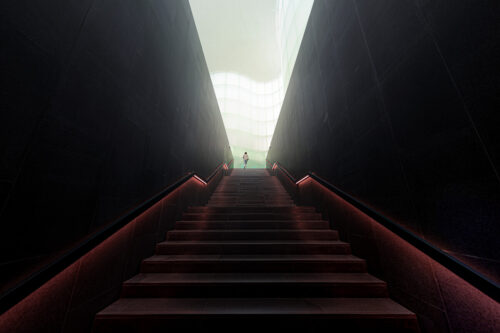
Architectural photo by Marco Tagliarino of a lone figure ascending a dramatic staircase framed by tall dark walls and glowing red handrails.”

Meet Marco Tagliarino

He is also a passionate photographer with a bold, diverse portfolio spanning global landscapes and street portraits. Driven by curiosity and authenticity, his work documents the human experience. In this 500px Photographer Spotlight, we explore how his technical background shapes his spontaneous creative process, his approach to ethical travel documentation, and the emotional depth of his visual storytelling.
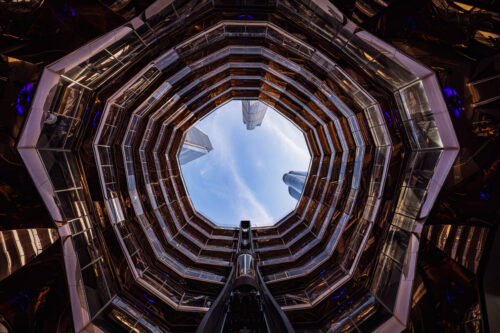
Architectural photo by Marco Tagliarino looking up through the circular interior of The Vessel in New York, framing the sky and surrounding skyscrapers.

You have a full-time career in engineering. How do you find that your analytical, technical mindset from engineering influences or, conversely, contrasts with your creative process as a photographer?

My technical background has taught me to observe the world with precision, attention to detail, and a strong inclination toward logic. These aspects influence my photographic approach, especially in composition, light management, and the reading of geometries, elements that often emerge in my architectural and landscape shots.

At the same time, photography is a form of release for me. After spending dozens and dozens of hours in the office, immersed in a demanding and intense routine, traveling and photographing become a way to let out the energy I accumulate and that has no space in my professional context. It’s the moment when I allow myself to be guided by intuition, emotion, and curiosity, without having to follow rigid frameworks.

In this contrast between rationality and spontaneity, I find my creative balance. My technical mindset gives me the tools to build and analyze, while photography allows me to interpret and feel. And when these two dimensions meet, I’m able to tell visual stories that are both structured and deeply human.

Your portfolio is incredibly diverse, spanning landscapes, wildlife, and intimate street portraits across continents. Is there a common thread or a central story you are trying to tell with your photography, regardless of the subject?

Although my portfolio spans a wide range of subjects, from remote landscapes to bustling street scenes and intimate portraits, there is indeed a common thread that runs through all my work: the human experience in its many forms. Whether I’m capturing the quiet dignity of a craftsman in his workshop, the raw beauty of nature, or the fleeting emotion on a stranger’s face, my goal is always to tell stories that resonate emotionally and culturally.

Even when photographing architecture, I approach it not just as a study of form and design, but as a reflection of the culture and identity of a place. Buildings and urban spaces are shaped by the people who inhabit them, and in turn, they shape how those people live, interact, and evolve. For me, architecture is part of the broader narrative of human presence, it’s another way to explore the soul of a location.
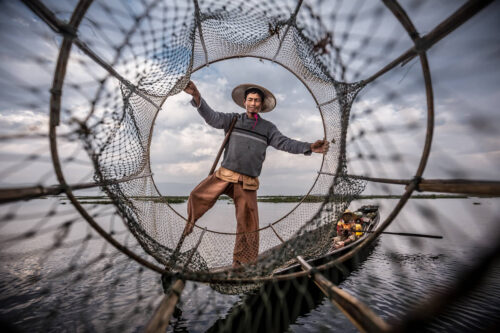
Travel portrait by Marco Tagliarino of a fisherman balancing on a wooden boat, framed through a large circular fishing net on a calm lake.

Photography, for me, is a way to explore and share the richness of our planet and its diverse cultures. I’m driven by intuition and a deep curiosity for the world, and I strive to create images that are not only aesthetically compelling but also authentic and meaningful. I rarely plan my shots; instead, I let the environment and the moment guide me. This spontaneity helps me preserve the honesty of the scene and the emotion it carries.

Ultimately, I see photography as a bridge between places, people, and emotions. It’s my way of inviting others to see the world through my eyes, and perhaps to feel a little closer to places they may never visit or lives they may never live.
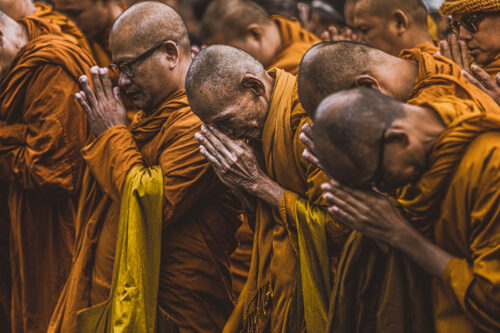
Documentary photo by Marco Tagliarino showing a group of Buddhist monks in saffron robes praying with bowed heads and folded hands.

You’ve described photography as a way to “not forget” your experiences. When you look back at a photo from years ago, does the technical aspect or the personal, emotional memory of the moment stand out to you more?

When I look back at one of my photographs from years ago, what resurfaces is not the technical perfection, but the emotion I felt in that exact moment. I remember precisely what I was feeling while taking the shot, the scents in the air, the sounds around me, the changing light, and the details of the environment that surrounded me. It’s as if the photo becomes a time portal, bringing me back with a romantic and deeply personal intensity.

Of course, the technical side matters, but it fades into the background compared to the emotional memory. Each image is a fragment of life, a way not to forget. After long and demanding days in the office, I often feel the need to escape, to reconnect with myself. Traveling and photographing allow me to gather emotions that I later relive through my images.

Photography, for me, is a form of introspection, not just a tool to observe the world, but a way to rediscover parts of myself that time might otherwise erase.
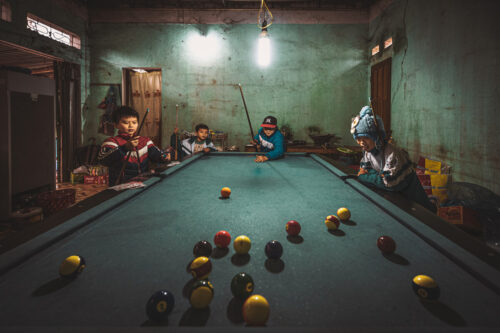
Documentary photo by Marco Tagliarino of children playing billiards in a dimly lit room, capturing a candid moment of everyday life.

How do you navigate the challenge of capturing a powerful, well-composed shot in unpredictable environments, especially in street photography?

Street photography and travel documentary photography, for me, are a constant pursuit of authenticity. I dedicate time and attention to observing, searching for interesting subjects in their natural environments, in spontaneous and unposed situations. I’m drawn to capturing the essence of real moments, not staged scenes.

I don’t enjoy photographs produced in pre-arranged photography workshops, where everything is already set up and often lacks the spontaneity I rigorously seek. In those contexts, I feel the truth of the moment is lost, the raw imperfection that makes an image truly alive.

That said, technical perfection is fundamental to me. A powerful photograph must be well composed, balanced in light, and precise in detail. It’s the combination of spontaneity and technical rigor that makes a shot truly effective.

The challenge lies in capturing the unexpected with awareness: allowing intuition to guide me, while keeping a sharp eye on the visual structure of the image. That’s where the strength of a photograph is born, in its ability to be both genuine and technically solid.
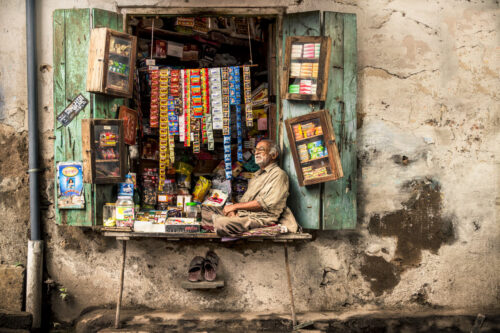
Street portrait by Marco Tagliarino of a shopkeeper sitting inside a small, colorful market stall framed by weathered green shutters.

What would you consider crucial or essential in crafting a compelling photo?

For me, a compelling photograph is born from the balance between intention, technical precision, and authenticity. Every shot must have a deeper motivation; I don’t photograph randomly, but to tell something that moved me, surprised me, or made me reflect.

Composition is essential: I always seek a visual order that guides the viewer’s eye, gives strength to the subject, and enhances the scene. Technical perfection is equally crucial; the light, sharpness, control of contrast, and color are tools I use with precision to make the image effective and readable.

In architectural and landscape photography, I always try to introduce a visual element that emphasizes the sense of scale and vastness of the subject. While many landscape photographers rely heavily on light to elevate their shots, I focus on these narrative elements as well, which bring depth and meaning to a context that is, by nature, static. It’s often this detail that transforms a scene into a story.

But what truly makes a photo powerful is its truth. I look for spontaneous situations, subjects in their real environments, and authentic moments. The raw imperfection, the unexpected detail, the emotion that emerges without being forced—these are the elements that turn a photograph into a visual story that speaks for itself.
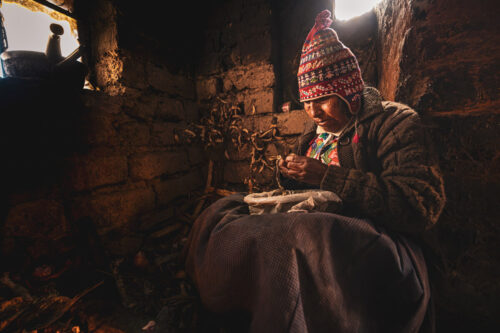
Candid portrait by Marco Tagliarino of an elderly woman in traditional clothing working by a window inside a dim, rustic room.

Can you describe your post-production and editing process? How do you know when an edit is “finished” and has successfully translated the emotion you felt when you clicked the shutter?

Post-production, for me, is a delicate and almost intimate phase. It’s never a mechanical process, but a moment where I try to reconnect with the emotion I felt when I took the shot. I work carefully on light, contrast, color, and detail, always to faithfully convey what I experienced in that precise instant.

Over time, I’ve developed a personal style, which I hope is now recognizable: a bold and impactful visual language, defined by strong contrasts and intense color tones. This approach helps me give visual strength to the image and clearly communicate the atmosphere and meaning of the moment.

Sometimes I choose black and white, but only when I feel that color would detract from the story rather than enhance it. In those cases, removing color becomes a narrative choice, allowing for greater emotional depth and clarity.

I don’t like to distort the image; I aim to keep it authentic, respecting the original scene. Sometimes it takes very little, other times more work, but my goal is always the same: to bring out the feeling, the breath of the moment.

I know an edit is “finished” when, looking at the photo, I can relive everything: the atmosphere, the sounds, the smells, the light, and above all, my emotional state. If that feeling comes back to life, then I know I’ve done my job.
As a photographer who has won numerous awards, how has this recognition impacted your work? Does it add pressure, or does it simply validate the personal passion you’ve been pursuing?

The awards I’ve received over time are certainly gratifying, but they’ve never been the driving force behind my photographic work. I see them as external confirmation of a personal journey, one built on passion, research, and stylistic consistency.

I don’t feel pressure from recognition, but rather a responsibility to remain true to myself and my vision. Over time, I’ve developed a personal style that I hope is now recognizable: a bold and impactful photographic language, defined by strong contrasts and intense color tones, always aiming to tell a story, even in quieter contexts like landscape or architectural photography.

That said, I’ve grown increasingly disenchanted with paid international contests, which I now see as part of a business often influenced by political choices and power dynamics. For this reason, I’ve chosen not to affiliate with any photographic groups or associations.

Instead, I enjoy participating in free contest platforms, where I can engage with many talented photographers in a spirit of openness and mutual respect, without the frustration or jealousy that competitive environments can sometimes generate. In these spaces, there’s no need to bow to dominant currents that decide who is talented and who is not. There’s just photography, and the joy of growing through honest exchange and shared passion.

Platforms like 500px allow me to do exactly that: to share my work and passion with a wide community of enthusiasts, without pressure or pretense. It’s a place where photography speaks for itself, and where the focus remains on creativity, connection, and the pleasure of visual storytelling.
Your travel photography from places like Cuba, India, and Armenia feels both immersive and respectful. What is your personal philosophy on ethically documenting cultures that are not your own?

When I photograph cultures different from my own, the first principle that guides me is respect. I never aim to intrude, but rather to observe with discretion, trying to capture the authenticity of the moment without altering it. I approach with curiosity, but also with humility, fully aware that I am a guest in a context that doesn’t belong to me.

My travel photography is immersive, but never invasive. I look for subjects in their natural environments, in spontaneous situations, avoiding any form of spectacle or stereotype. I’m not interested in exoticizing a culture, but in portraying it as it truly is, with dignity and honesty.

Many people ask me how I manage to photograph cultures that often shy away from the camera, and the truth is, I don’t have a secret technique. There’s nothing calculated or strategic in my approach. Perhaps it’s simply empathy, humility, and respect. I believe the people I photograph can sense my genuine admiration for their way of life, for their culture, and for the beauty I see in their everyday gestures.

I believe photographers have an ethical responsibility: not to turn reality into a forced representation, but to convey it sincerely. That’s why I always try to establish a human connection, even a silent one, before taking a photo. And if I sense discomfort, I prefer not to shoot.

My goal is to transmit emotion, not just images. And if someone looking at one of my photos can feel the respect I had for that place and those people, then I know I’ve done the right thing.
After all your travels and a wide array of subjects, what is the “one photo that got away”? Is there a specific moment or scene you still think about that you weren’t able to capture?

The ‘one photo that got away’ isn’t tied to a single moment for me, but rather to a long series of technically challenging situations where I wasn’t able to achieve the result I was aiming for. Being very demanding with myself, many photos have never seen the light due to technical imperfections, a missed composition, difficult lighting, or a subject that escaped the decisive moment.

Since I actively seek spontaneity and avoid pre-arranged or staged scenes, I often find myself in unpredictable environments where creating impactful images is a real challenge. In this sense, my photographic journey is paradoxically filled with failures, and I believe much of my personal growth has come precisely through mistakes and the difficulties I’ve encountered. It’s in those moments, where I could and should have done better, that I’ve learned the most.

One aspect I now consider essential is the quality of photographic equipment. More advanced and reliable gear helps make complex situations a little less complex. I do have some regrets about past travels, where I feel I wasn’t able to fully capture certain moments. I often think that if I could repeat those trips today, with the experience and tools I now have, I would be able to tell much more.

This restlessness about missed opportunities stays with me, but it doesn’t hold me back. On the contrary, it motivates me to plan future journeys with even greater care, hoping to turn what once slipped away into new chances for storytelling.
Here is a question from our previous featured photographer, Graeme Ian Hall: What bit of advice were you given when starting out that you now wish you had ignored?

I’ve never attended photography courses or workshops, so I’ve never had mentors who offered me specific advice. My journey has been entirely self-directed, built through experience, observation, and experimentation. Because of this, I haven’t had the chance to test out recommendations that later turned out to be wrong for me.

That said, there are two technical suggestions I initially followed but gradually abandoned:

  • using a tripod for landscape photography,
  • and using flash for travel portraits.

In my view, both are unnecessary when shooting in decent lighting conditions, even at dusk, especially if you’re working with stabilized lenses and/or sensors. I prefer the freedom and spontaneity that come from working without excessive technical constraints, letting natural light shape the scene.
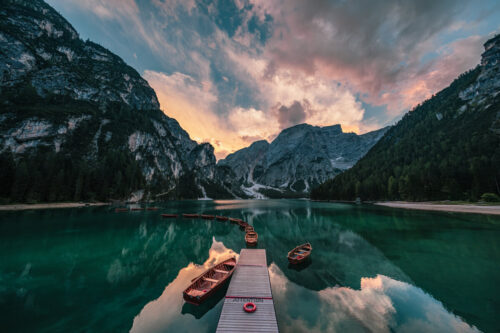
Lastly, do you have a recent shoot or project you would like to share or promote?

After a beautiful journey through Peru, Bolivia, and northern Chile, where I gathered many stories that I look forward to sharing in the near future, I’m currently preparing for my next trip to Morocco.
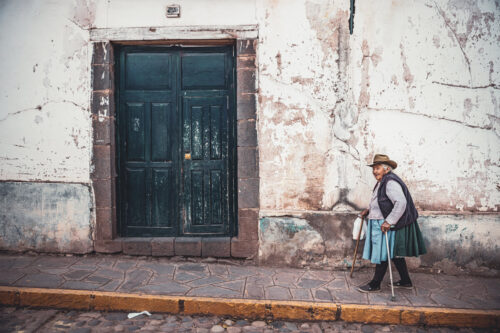
My goal is to capture documentary and street photography that authentically represents the lifestyle and cultural richness of the country. I’m drawn to spontaneous scenes and everyday moments that reflect the soul of a place, and I hope this upcoming journey will allow me to create images that are both visually powerful and emotionally honest.

I also have a few smaller creative ideas floating around in my mind, but I prefer not to reveal them just yet. They’ll need the right moment and space to take shape, and when that happens, I hope they’ll speak with the same sincerity and depth I aim for in all my work.

Read more 500px Photographer Spotlight interviews: Graeme Ian Hall

The post Marco Tagliarino: 500px Photographer Spotlight appeared first on 500px.

[NDN/ccn/comedia Links]
Thursday, November 13, 2025

Capturing the Mood of Rain, Fog, and Overcast Skies

When the skies turn grey and the world feels hushed, there’s a unique emotional depth to be found behind the lens. Capturing the mood of rain, fog, and overcast skies allows photographers to explore somber, reflective, or even eerie atmospheres that are harder to achieve on clear sunny days. With careful attention to light, composition, and emotion, these weather conditions become powerful storytelling tools.

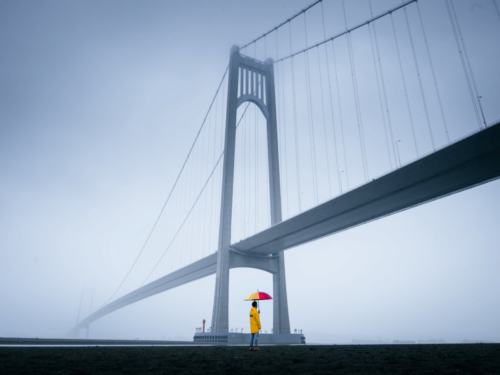
A person in a yellow raincoat stands under a suspension bridge holding a colorful umbrella on a foggy morning, capturing the mood of rain, fog, and overcast skies.

Why Overcast Conditions Create Atmosphere

Capturing the mood of rain, fog, and overcast skies is all about working with soft, diffused light. Without harsh shadows or direct sun, subjects are evenly lit, perfect for subtle emotional storytelling. The world becomes a painterly canvas, full of texture and tone, allowing emotions like melancholy, solitude, nostalgia, and serenity to surface more vividly in your imagery.

Weather Elements That Set the Tone

Rain:

  • Use reflections in puddles or raindrops on glass to enhance visual interest.
  • Candid portraits under umbrellas or cozy indoor scenes add warmth and intimacy.

Fog:

  • Fog naturally flattens depth and simplifies the scene, making silhouettes and outlines stand out.
  • It introduces mystery, guiding the viewer’s attention to form and light instead of detail.

Overcast Skies:

  • These skies offer a natural softbox, perfect for moody portraits, landscapes, and close-ups.
  • Colors appear more muted, which can evoke quiet, contemplative moods.

Whether you’re shooting in the city or countryside, nature or streetscapes, these elements provide ample opportunity for creative expression.

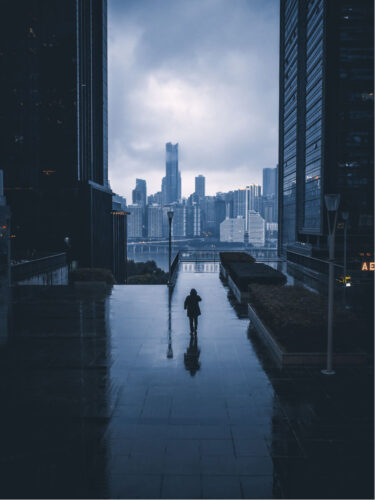
A lone figure walks along a reflective, rain-soaked urban path framed by tall skyscrapers under heavy clouds, capturing the mood of rain, fog, and overcast skies. A young woman in a blue dress holds a transparent umbrella while reaching toward pink flowers on a rainy day.

Pro Tip: Embrace Minimalism for Maximum Impact

On foggy or rainy days, simplify your composition. Let negative space breathe. A single tree, person, or structure against a misty background can speak louder than a crowded frame. Simplicity amplifies mood.

Editing to Enhance the Emotional Atmosphere

Post-processing can help elevate what your camera captures. Consider these subtle enhancements:

  • Desaturate slightly to enhance the emotional tone.
  • Boost texture or clarity for raindrops or fog layers.
  • Use split toning to introduce cool or warm hues, depending on the mood you’re after.
  • Add grain to give a cinematic or nostalgic feel.

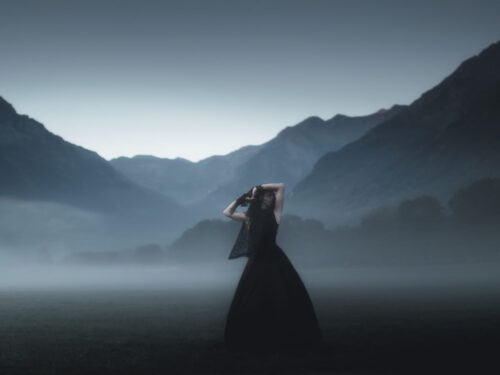
A woman in a flowing black gown stands in a misty valley surrounded by mountains at dusk, capturing the mood of rain, fog, and overcast skies.

Let the Weather Tell the Story

Capturing the mood of rain, fog, and overcast skies means letting the environment become your narrative. Embrace the quiet. Allow softness, greys, and shadows to become compositional allies. Mood doesn’t require dramatic lighting, it thrives in the moments most people stay indoors.

Extended reading: Creating Harmony with Analogous Color Schemes

The post Capturing the Mood of Rain, Fog, and Overcast Skies appeared first on 500px.

[NDN/ccn/comedia Links]
Thursday, November 6, 2025

Shaping Mood with Dramatic Lighting and Contrast

Creating emotion through photography often hinges on one key element: lighting. When harnessed with intention, shaping mood with dramatic lighting and contrast can transform ordinary scenes into powerful visual narratives. From cinematic portraits to atmospheric still life, this technique allows photographers to control not just the exposure but the emotion.

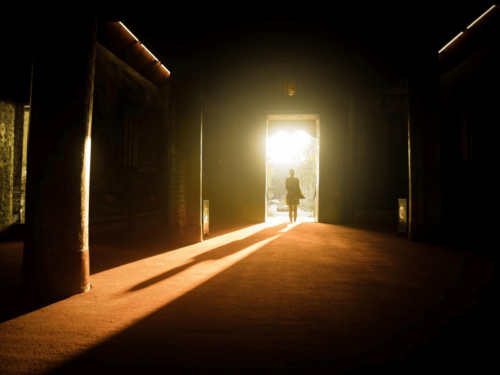
A person walking toward a bright doorway in a dark hall, illustrating shaping mood with dramatic lighting and contrast through intense highlights and deep shadows.

Why Shaping Mood with Dramatic Lighting and Contrast Works

Whether you’re capturing a contemplative portrait or a moody architectural shot, shaping mood with dramatic lighting and contrast helps guide the viewer’s eye and emotional response. A single, focused beam of light, paired with deep shadows, can suggest mystery, solitude, or even quiet strength. The interplay between highlights and darkness tells its own story.

Pro Tip: Work With Shadows, Not Against Them

Instead of eliminating shadows, embrace them as part of your composition. Shadows add dimension, create tension, and amplify emotion, making them essential in shaping the atmosphere of your image.

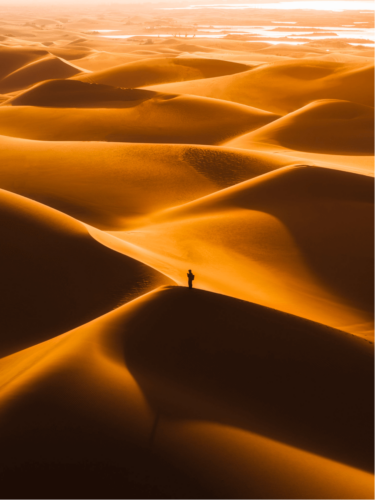
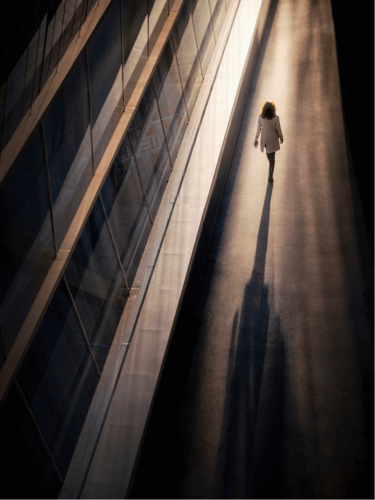
A lone figure standing on golden sand dunes at sunset, showcasing dramatic lighting with bold contrasts between light and shadow. A person walking along a sunlit urban path with a long shadow, highlighting dramatic lighting and geometric composition.

Lighting Techniques That Add Drama

Here are a few effective methods:

  • Split Lighting: Light one side of your subject while the other falls into shadow. This adds intensity and a cinematic quality.
  • Backlighting or Rim Lighting: Create a glow around your subject while allowing the face or front to fade into shadow.
  • Hard Light vs. Soft Light: Use hard light for harsh, striking contrast, or soft diffused light for more melancholic moods.
  • Low-Key Lighting: Underexpose most of the image except for small areas of light to create a dark, moody aesthetic.

Whether indoors or outdoors, direct your light with intention. Window light, flashlights, reflectors, or even a phone flashlight can help craft the right balance of light and dark.

Editing to Enhance Mood and Contrast

Post-processing plays a key role. Here are a few editing adjustments to try:

  • Increase Blacks and Highlights to create dynamic range without overexposing.
  • Dodge and Burn to emphasize focal areas and shape the light.
  • Use Tone Curves to fine-tune shadows and highlights for dramatic effect.
  • Adjust White Balance for emotional tone; cool for eerie, warm for intimacy.

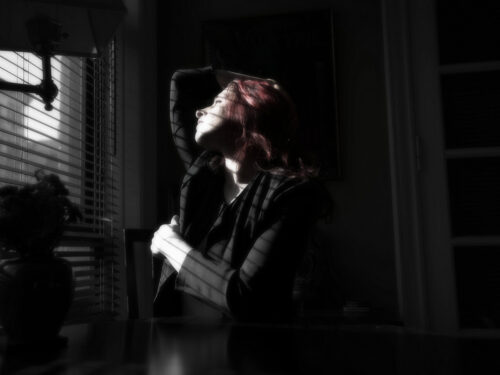
A cinematic portrait of a woman bathed in window light, her face partially illuminated to create mood and contrast.

Final Thoughts

When it comes to creating compelling, emotional imagery, shaping mood with dramatic lighting and contrast gives photographers the creative power to influence perception. Light isn’t just about visibility, it’s about impact. Through thoughtful use of shadows, contrast, and controlled illumination, you can take your storytelling to an entirely new level.

Extended reading: Creating depth and drama with moody photography

The post Shaping Mood with Dramatic Lighting and Contrast appeared first on 500px.

[NDN/ccn/comedia Links]
Tuesday, November 4, 2025

Graeme Ian Hall: 500px Photographer Spotlight

The 500px Photographer Spotlight invites you to dive into the minds and methods of the incredible photographers who shape our community. Discover the unique journeys, creative insights, and inspiring stories behind the stunning photos we love.

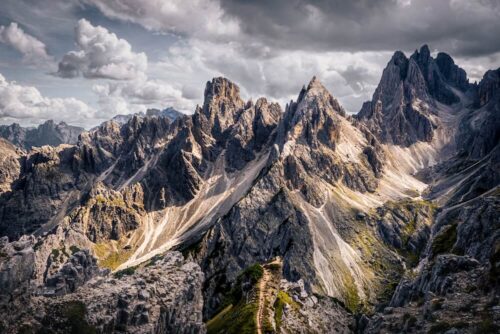
Landscape photo by Graeme Ian Hall capturing dramatic jagged peaks of the Dolomites under moody clouds with light and shadow highlighting mountain ridges.

Meet Graeme Ian Hall

A UK-born photographer who relocated to Australia with their partner in 2018. Photography has always been a significant part of their life, a passion sparked by a grandfather who had a darkroom. Graeme comes from a family of creatives who are often found behind the camera. For years, they delayed pursuing their passion for photography, initially citing career growth, but eventually admitting to a fear of vulnerability. Graeme has since faced that fear and developed a rich collection of stunning photos. Their work has been featured in The Guardian, and they’re currently developing a Portfolio focusing on the mountains of South East Queensland, a project they hope to eventually develop into a book.

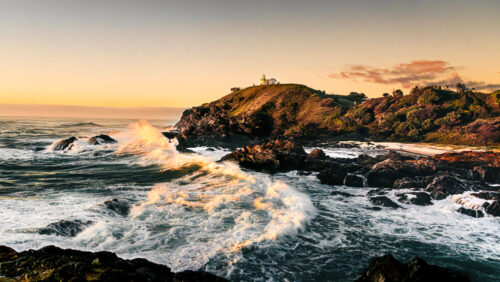
Seascape photo by Graeme Ian Hall showing waves crashing against rocky shores beneath a golden sunrise, with a lighthouse on a hill in the distance.

Lets start at the beginning, what was your very first camera, and what kind of photos did you take with it?

My first “camera” was actually a non-functioning SLR that my grandad passed on to me. It didn’t take photos, but it sparked something. Later, I bought a Praktica point-and-shoot because that’s the brand he swore by. The images were nothing special – just snapshots of everyday life – but they taught me to notice moments.

Over the years I drifted through a Kodak digital, a Samsung compact, and eventually into smartphones. Looking back, I realise my excuses about “no time” were really about hesitation. Buying my Sony A6400 was the turning point. That camera forced me to commit, and it opened the door to building a portfolio.

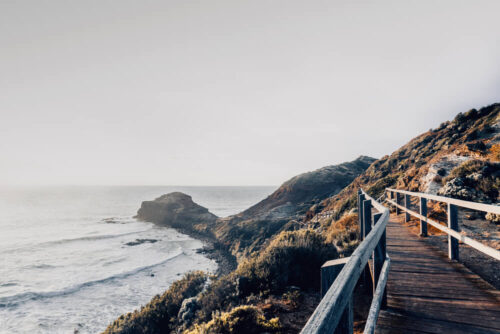
Landscape photo by Graeme Ian Hall featuring a coastal boardwalk overlooking cliffs and the ocean under soft morning light.

This was the first photo I took with a dedicated camera – marking my first step from casual snapshots into the world of photography

As you’ve developed your skills as a photographer, do you think the way you started still shapes the way you shoot today?

Definitely. I’ve kept what I call a “beginner’s mindset.” There’s always more to learn — new light, new perspectives, new ways of seeing.

I also shoot in two very different ways. When I’m on my own, usually at golden or blue hour, I plan deliberately: scouting, checking weather, setting up. I can lose hours chasing “just one more shot.” But when I’m hiking with others, my partner Chris, family, or friends, I shoot more loosely – grabbing frames as I go, not worrying if they’ll all work out. Later, I enjoy looking back and finding surprises in those images, sometimes in the whole frame, sometimes hidden in a small crop.

Going forward, I want to merge those two approaches – using hikes as scouting, then returning with purpose, while still leaving space for the unexpected.

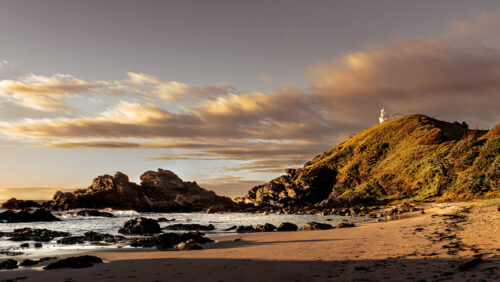
Coastal landscape photo by Graeme Ian Hall capturing a lighthouse on a sunlit hill above a rocky beach during golden hour with dramatic clouds.

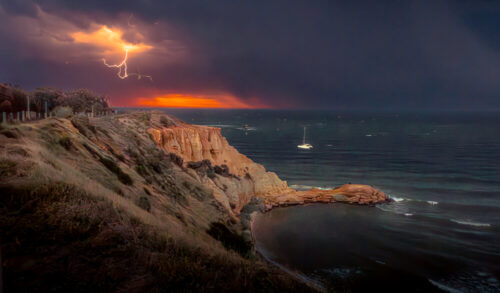
This photo of Tacking Point Lighthouse is a good example of my deliberate side – researching locations, checking the forecast, being there early, and waiting for the moment when the light and water lined up perfectly.

While this photo from Red Bluff is an example of my spontaneous side – I noticed a weather change so grabbed the camera and just headed straight to the coast and snapped this pretty much instantly.

How does travel, and your adventures to new places ignite and inspire your creative spirit?

Travel feeds my curiosity as much as my photography. I love food, culture, and exploring new places, and photography is only recently becoming woven into those journeys.
On a recent trip to Europe, Chris and I spent five days hiking in the Dolomites. The landscapes were breathtaking, and those hikes pushed both my legs and my creativity.

While in the UK, I also took time to shoot with my dad, at South Shields, Bamburgh Castle, and Hadrian’s Wall. Those photos are less about perfection and more about memory — moments where my family teased me to “hurry up” while I stopped for a shot.

Looking ahead, I’d love to head to Scotland and Wales next time I am in the UK, which I didn’t explore enough while I lived there. My dream list includes Patagonia, Norway, Bhutan and Iceland for their drama and light. Closer to home, I wish I’d done more in Victoria’s Grampians before moving north — but Queensland’s mountains are keeping me busy for now.

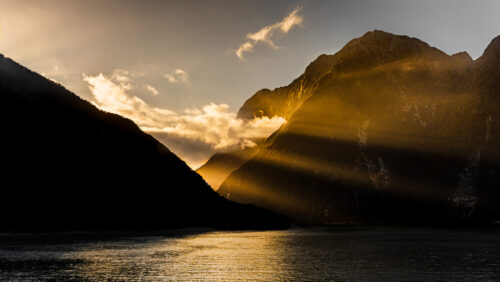
This shot of Fiordland in New Zealand captures why travel matters to me — the sense of scale, atmosphere, and discovery you can’t always find close to home

Do you see your landscapes as documentation, art, or both?

I don’t think I’ve ever fully understood what art is, or whether it can even be defined. For me, photography is about trying to capture how I feel in a place. My hope is that when someone looks at my photo, they feel something just as strongly – maybe the same thing I felt, maybe something different. If it makes them feel, then perhaps it has become art.

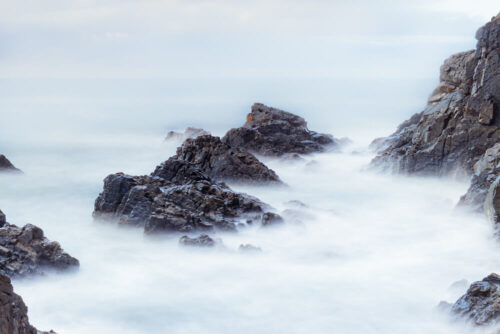
This seascape felt more like a painting with mist than documenting a coastline – for me, it’s art if it makes you feel something

What’s the most physically demanding trek you’ve done for a single shot?

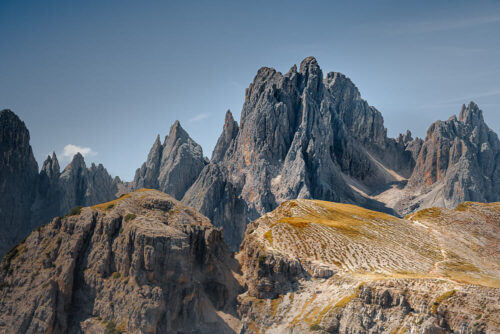
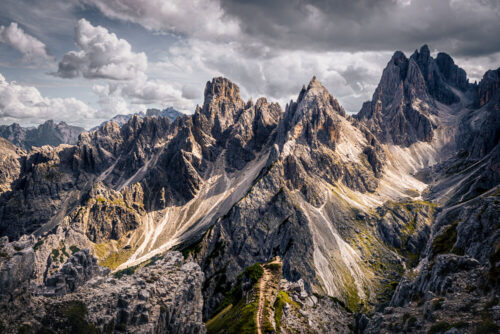
The Italian Dolomites were the most demanding – 70 km over five days. On Day 4, we made it to Tre Cime. By then the heat, the crowds, and a long circuit had taken their toll. I should have gone straight for the shot at Cadini di Misurina, but I left it until after the full hike. Still, the images remind me why it was worth it – even if I did miss golden hour.

Cadini di Misurina, Dolomites — even outside golden hour, patience can reveal the raw drama of the peaks.

Mentally, the Cathedral Ranges in Victoria were tougher: a 4 hour drive in the middle of the night for astro (that didn’t quite work out), chasing a sunrise that also didn’t deliver, then driving back home. The results weren’t what I’d hoped, but the lesson was invaluable.

Beyond just the iconic landmarks or picturesque scenery, how do you manage to capture the feeling of a place, making your viewers experience it rather than just see a postcard-perfect image?

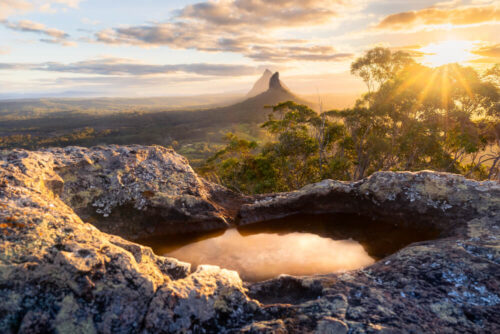
For me it’s about mood and atmosphere, not just the view. At Mount Ngungun, I wanted to add a touch of enchantment to the scene so it truly reflected the feeling inside, so I poured water into an empty rock pool to catch the reflection of the sky. It’s a small detail, but it transformed the scene into something more magical.

Living in Australia, I’m also spoiled by the dramatic skies. Storms, fiery sunsets, shifting clouds – they bring landscapes alive. I often feel nature is the real artist, and I’m just the one standing in the right spot to let it speak.

This photo from Mount Ngungun wasn’t about the classic postcard summit view -I wanted magic, so I used a small rock pool to catch the sky’s reflection.

Have you ever arrived at a “bucket list” spot, filled with anticipation, only to find yourself completely underwhelmed by the reality of the experience or setting?

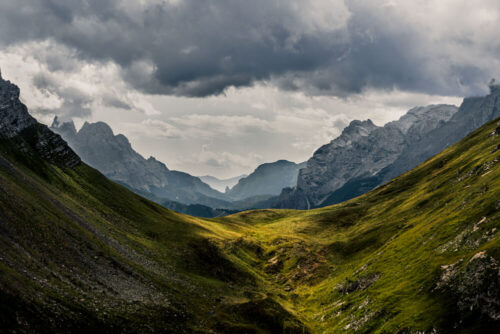
I try not to be disappointed. The Dolomites didn’t let me down — Seceda and Tre Cime were stunning – but the sheer number of tourists made it hard to capture the solitude I usually seek in landscapes. At the same time, I discovered places I hadn’t expected to fall in love with, like the snaking ridge of Ponta Lastoi de Formin – it’s on the return list so I can capture it from the formidable Bastione de Mondeval. In the end, the “hidden” spots impressed me even more than the icons.

Light and shadow over the valley between Mondeval and Lastoi de Formin – next time, I’ll chase this view from Bastione de Mondeval.

What’s the most unforgettable encounter you’ve had while shooting?

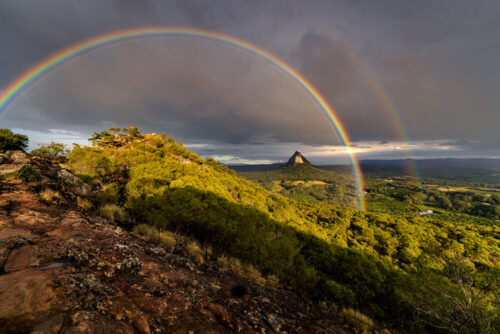
Not long after buying a second-hand Sony 70–350mm, I went to Mount Ngungun in the Glasshouse Mountains to test it out. The day seemed like a write-off – the sky was flat, the colours dull, and then rain moved in. I packed up, felt resigned, when suddenly the rain stopped. I turned around to see the scenery transformed and the brightest double rainbow I’ve ever witnessed arching over the peaks. I’ve never unpacked my gear faster, and I managed to capture it just before it disappeared.

This was the double rainbow I almost missed after packing up in the rain – the photo that came out of nowhere.

What’s the wildest thing you’ve done to protect your gear out in the elements, and did it work?

Probably less “wild” and more “comical.” I once tried to shoot in the rain and wind while juggling an umbrella in one hand and a tripod in the other. By the time I’d finished, it was pitch black and I had zero usable shots. Lesson learned.

Do you have a recent shoot or project you would like to share or promote?

Right now, my plan is to build a portfolio of the mountains of South East Queensland, capturing how they transform with the light and seasons. It’s part of a longer-term goal to publish a book celebrating these landscapes. If any SEQ photographers are interested in collaborating or exploring together, I’d love to connect.

Read more 500px Photographer Spotlight interviews: Maggie Gongolevich

The post Graeme Ian Hall: 500px Photographer Spotlight appeared first on 500px.

[NDN/ccn/comedia Links]