Thursday, February 19, 2026

Creating Visual Harmony with Symmetry and Patterns

Photographers are always looking for ways to create visually pleasing images and one of the most effective tools is symmetry and patterns in photography. These elements help bring balance, structure, and rhythm to your compositions, guiding the viewer’s eye and evoking a strong emotional response. In this blog, we’ll explore how to use symmetry and patterns effectively to elevate your photography.

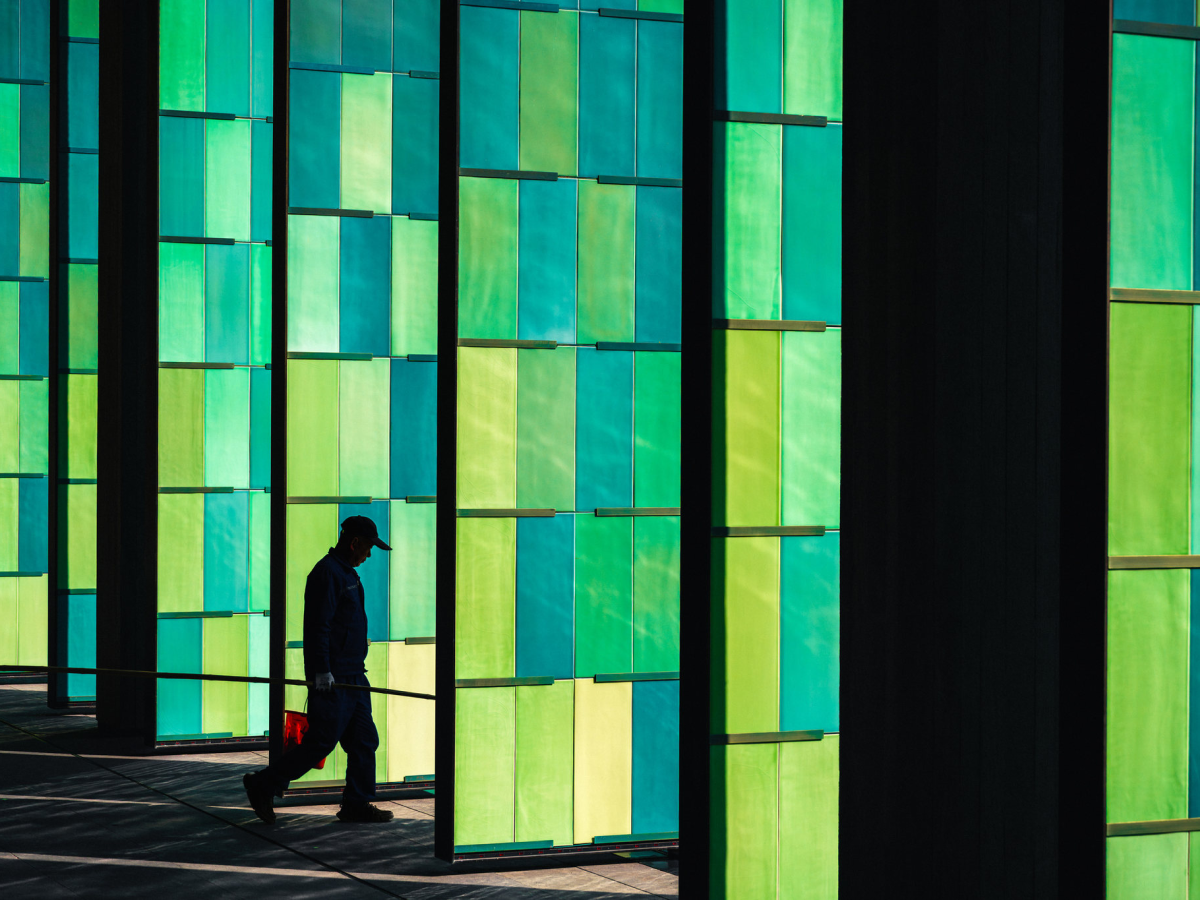
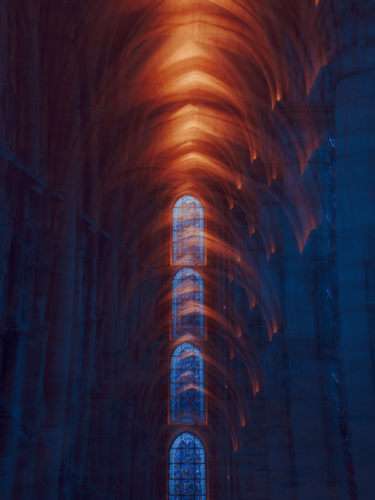
Blurred arches frame tall stained glass windows inside a cathedral, demonstrating creative framing techniques in architectural photography.

Why Symmetry and Patterns Matter in Photography

Humans are naturally drawn to order. Symmetrical arrangements and repeating patterns offer a sense of calm, beauty, and cohesion. When used intentionally in photography, they can:

  • Add structure and clarity to an image
  • Emphasize mood through repetition or mirroring
  • Highlight differences by breaking the expected rhythm

Pro Tip: Use symmetry and patterns to ground your composition, then look for subtle variations or disruptions that add intrigue.

Exploring Types of Symmetry

To use symmetry well, it helps to understand the types most commonly found in photography:

Reflective (Mirror) Symmetry

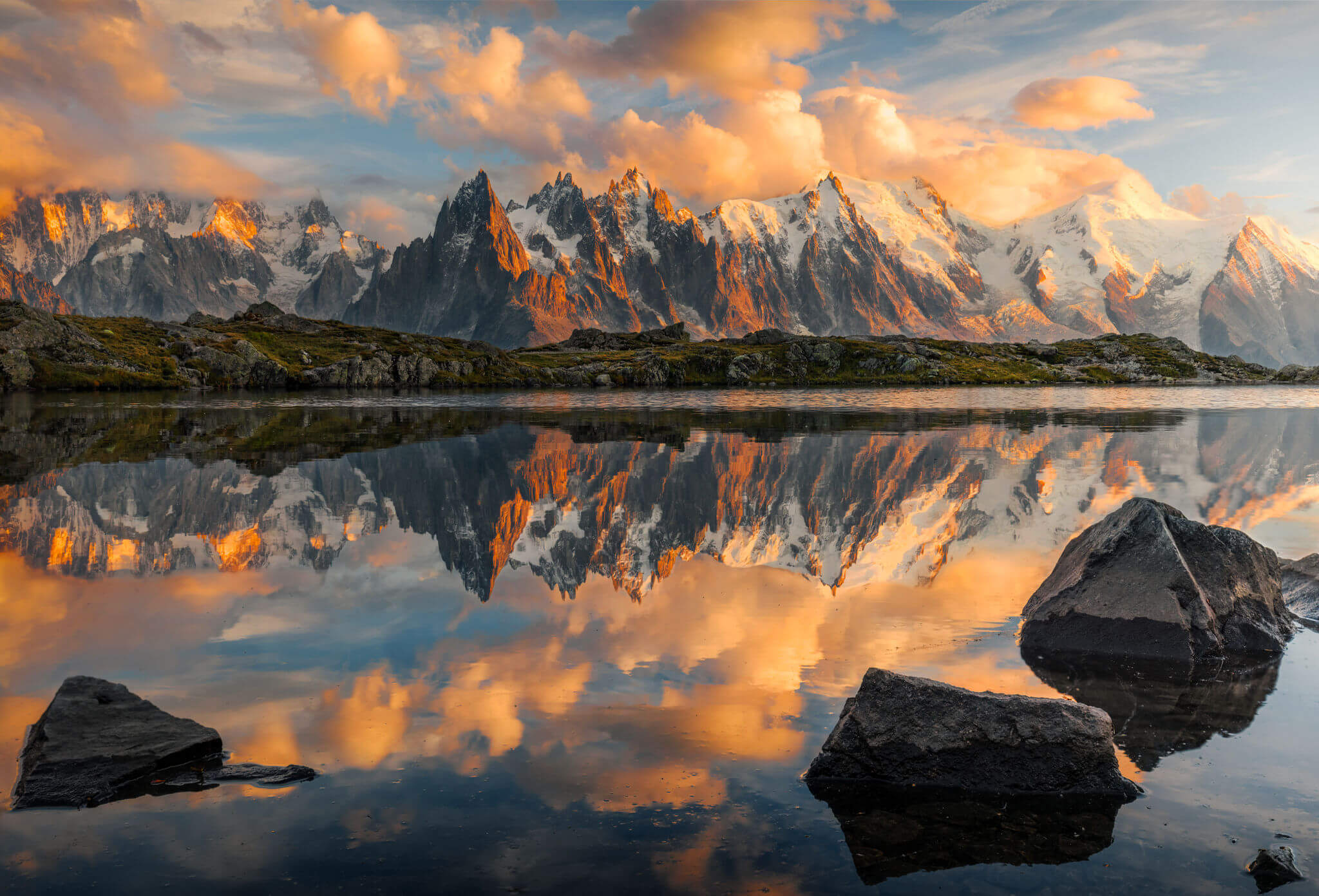
This occurs when one side of the image mirrors the other, often seen in reflections on water or symmetrical architecture.

Rotational Symmetry

An image that retains its composition even when rotated (think spiral staircases or radial patterns in nature).

Translational Symmetry

Repetition of shapes or forms in a linear path like rows of windows, trees, or streetlights.

Including symmetry and patterns in photography allows your viewer to settle into the frame and appreciate the underlying structure.

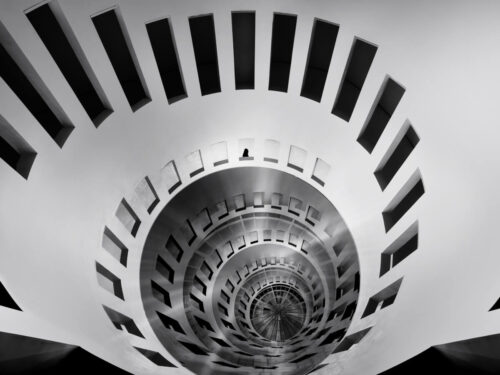
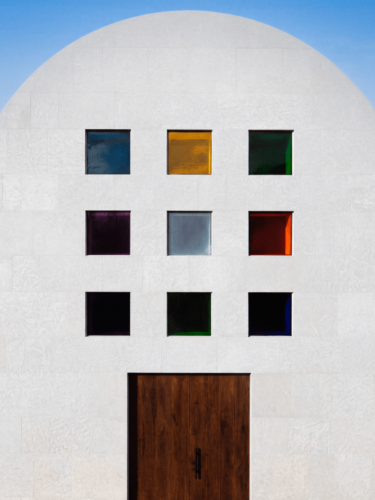
A spiral staircase photographed from above creates a circular frame within a frame, showcasing framing techniques in black and white architecture photography. A minimalist building facade with evenly spaced square windows in different colors highlights repetition in photography and geometric design.

Finding Patterns in Everyday Scenes

Patterns don’t have to be perfectly geometric. You can find them in:

  • Textures (brick walls, leaves, tiles)
  • Urban elements (fences, sidewalks, shadows)
  • Natural forms (flower petals, waves, tree branches)

Use your lens to isolate, repeat, or break these patterns.

Pro Tip: Patterns can be powerful on their own, but breaking them deliberately like placing a red door in a row of white ones can be even more impactful.

Composing with Symmetry and Patterns

When working with symmetry and patterns in photography, composition is everything.

  • Use central framing for perfect symmetry, especially with architecture or reflections.
  • Try leading lines or diagonals to emphasize repeating elements.
  • Frame wide to include more of the pattern or crop in tightly for graphic impact.

Symmetry doesn’t always have to be perfect; slight variations can feel more organic and still create a sense of harmony.

Editing for Emphasis

Post-processing can help you refine your use of symmetry and patterns:

  • Straighten lines and crop for better alignment
  • Boost contrast to make repeated elements stand out
  • Use selective sharpening to draw attention to textures and forms

Pro Tip: Convert to black and white if color is distracting from the pattern, this helps the viewer focus purely on form and composition.

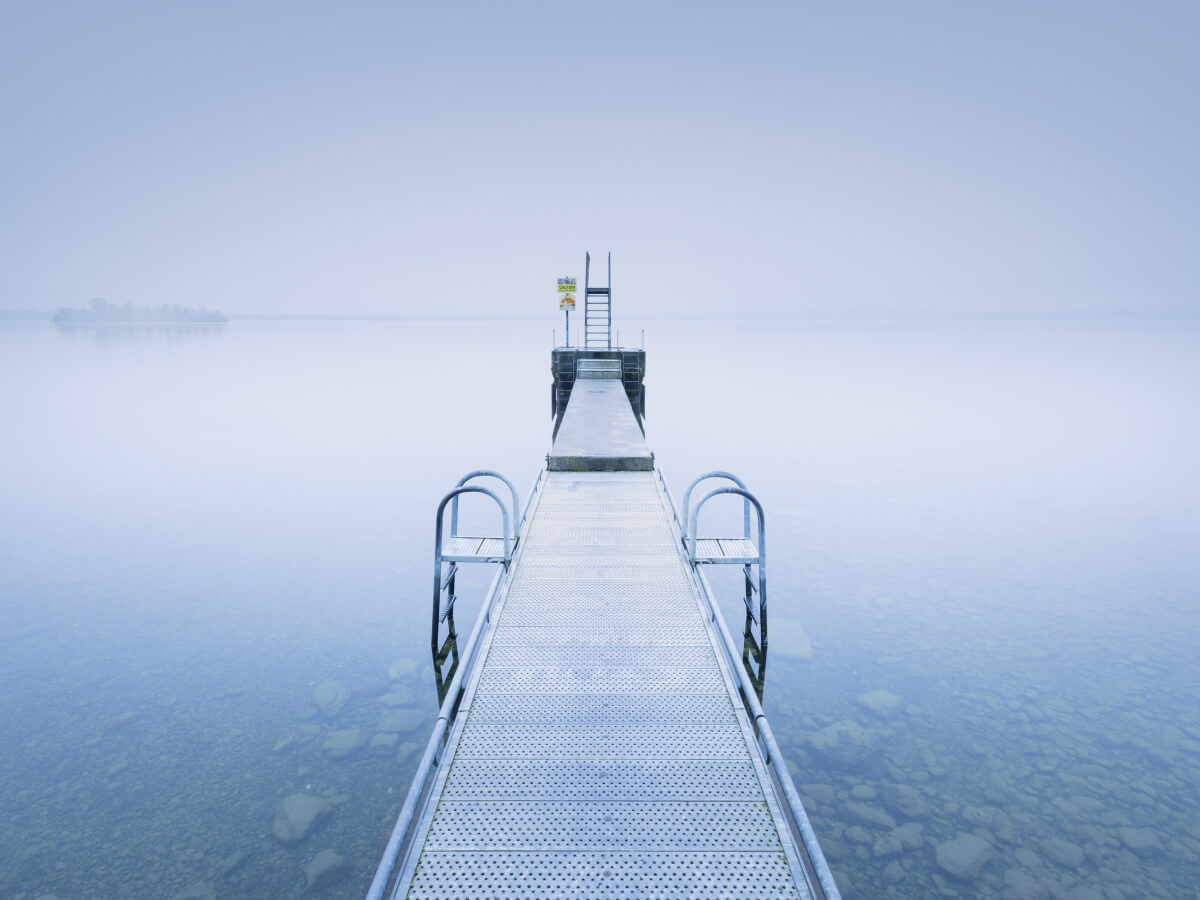
A symmetrical metal pier extending into a calm, foggy lake emphasizes repetition in photography through repeating railings and linear structure.

Let Repetition Guide Your Eye

Mastering symmetry and patterns in photography is about recognizing the rhythm in your environment and choosing how to highlight or disrupt it. These elements provide structure while allowing room for creativity and emotional depth. Whether you’re drawn to the precision of architecture or the chaos of organic forms, symmetry and patterns can turn the ordinary into the visually extraordinary.

Extended reading: Leading lines: Guiding the viewer’s eye

The post Creating Visual Harmony with Symmetry and Patterns appeared first on 500px.

[NDN/ccn/comedia Links]
Saturday, February 14, 2026

Announcing the Winners of the 2025 500px Global Photography Awards

The 500px Global Photography Awards celebrate the photographers whose creativity, technical mastery, and storytelling defined the year. After reviewing thousands of powerful submissions from around the world, we are proud to present the winners of the 2025 Awards, a remarkable group of artists whose work stood out for impact, originality, and excellence.

This year’s Awards were judged across five categories: Architecture, Animal, Landscape, Portrait, and Real Stories with two winners recognized in each category: Judges’ Choice and People’s Choice. These winners represent the strongest individual images across the competition.

From within this extraordinary group, two creators earned the highest honors of the entire Awards: 500px Photographer of the Year and Popular Photographer of the Year, selected for overall excellence and for exceptional community resonance.

Read on to explore every winning image and discover who earned the top titles of 2025.

Judges’ Choice Category Winners

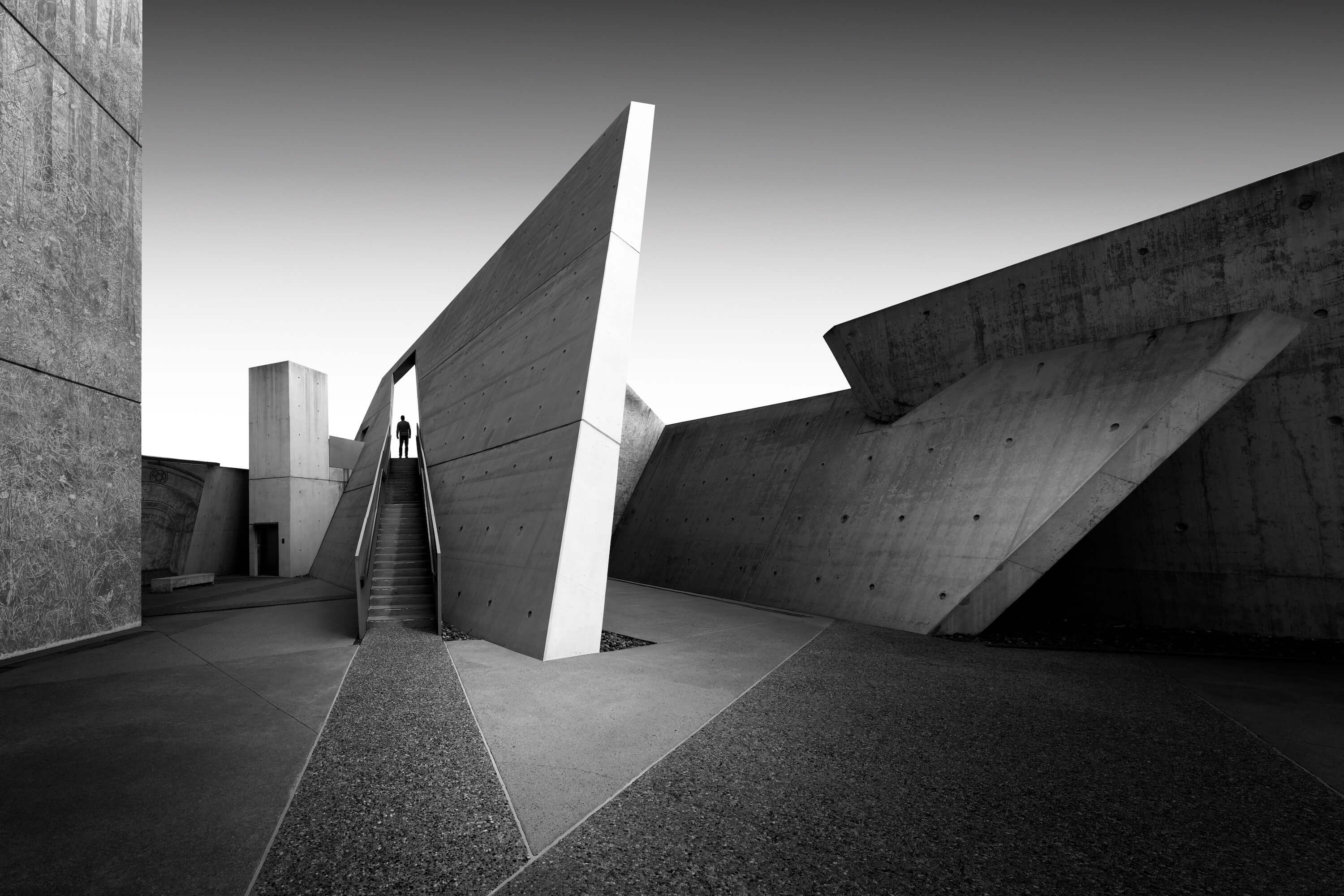
Architecture

Winner: Louis-Philippe Provost

Judge: Branden May

Street and architecture photographer with a dramatic, contrast-driven style

“This image commands attention through sculptural geometry, masterful tonal control, and a perfectly balanced perspective that transforms raw concrete into a strikingly poetic architectural composition.”

Animal

Winner: Lukas Trixl

Judge: Ryo Utsunomiya

500px Ambassador blending wildlife and conceptual narrative

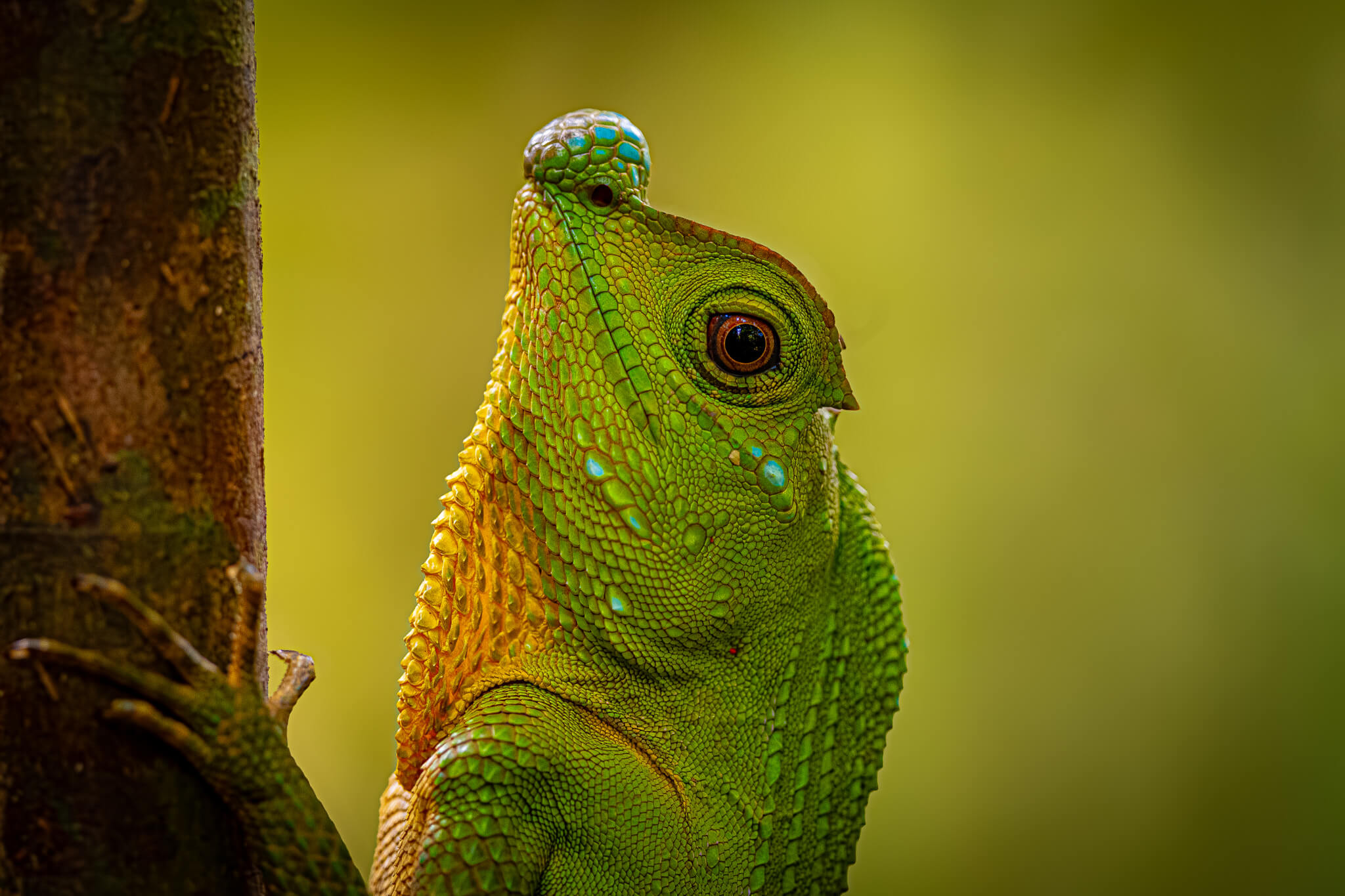
“This photograph demonstrates a keen understanding of light. Side lighting outlines the fur seal and the surrounding rocks beautifully. A calm, dignified moment captured with impressive balance and natural elegance.”

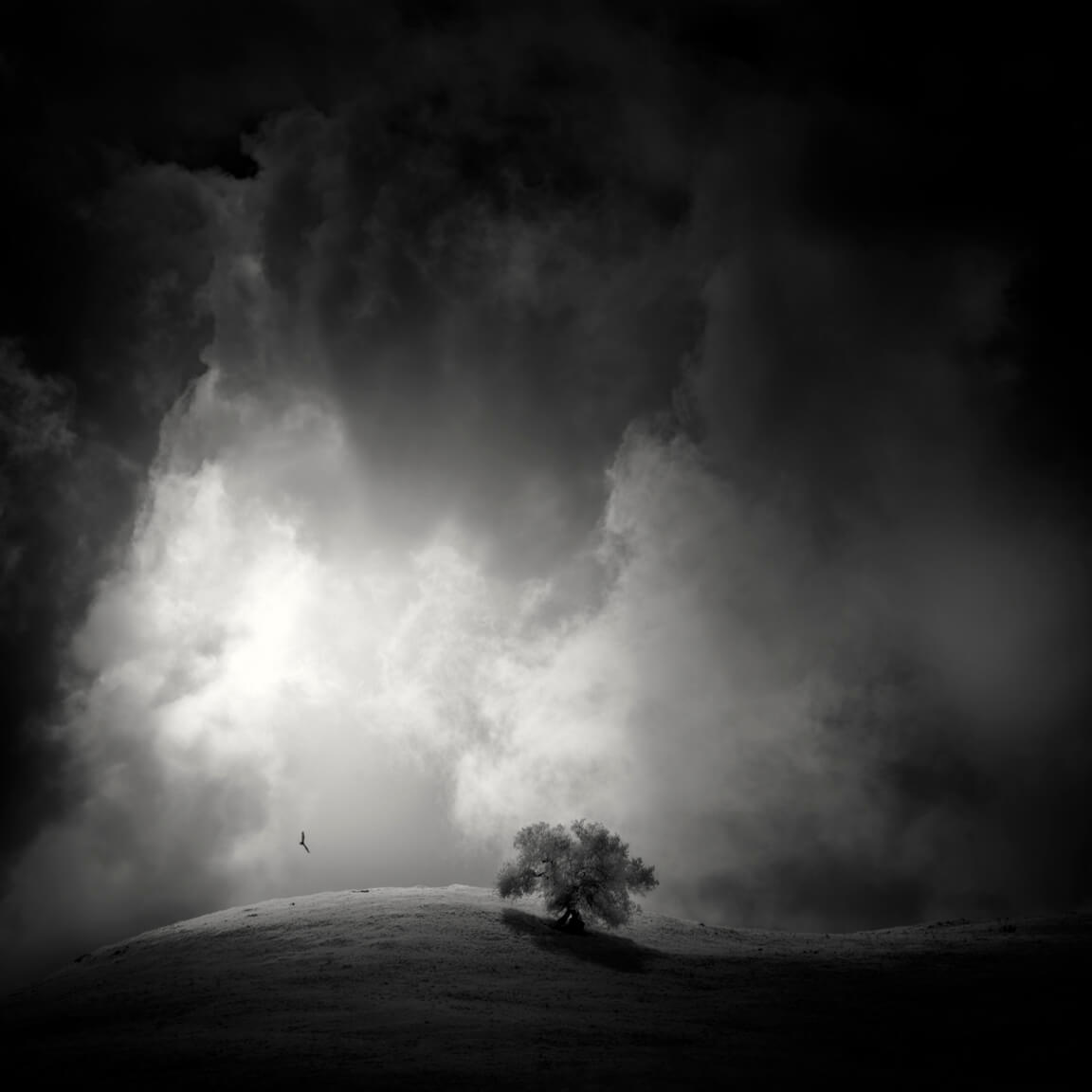
Landscape

Winner: Nathan Wirth

Judge: Agnieszka Wieczorek

Travel photographer and mentor known for vibrant cultural storytelling

“Minimal in composition yet emotionally strong. The image relies on contrast, atmosphere, and restraint to convey tension and mood within the landscape.”

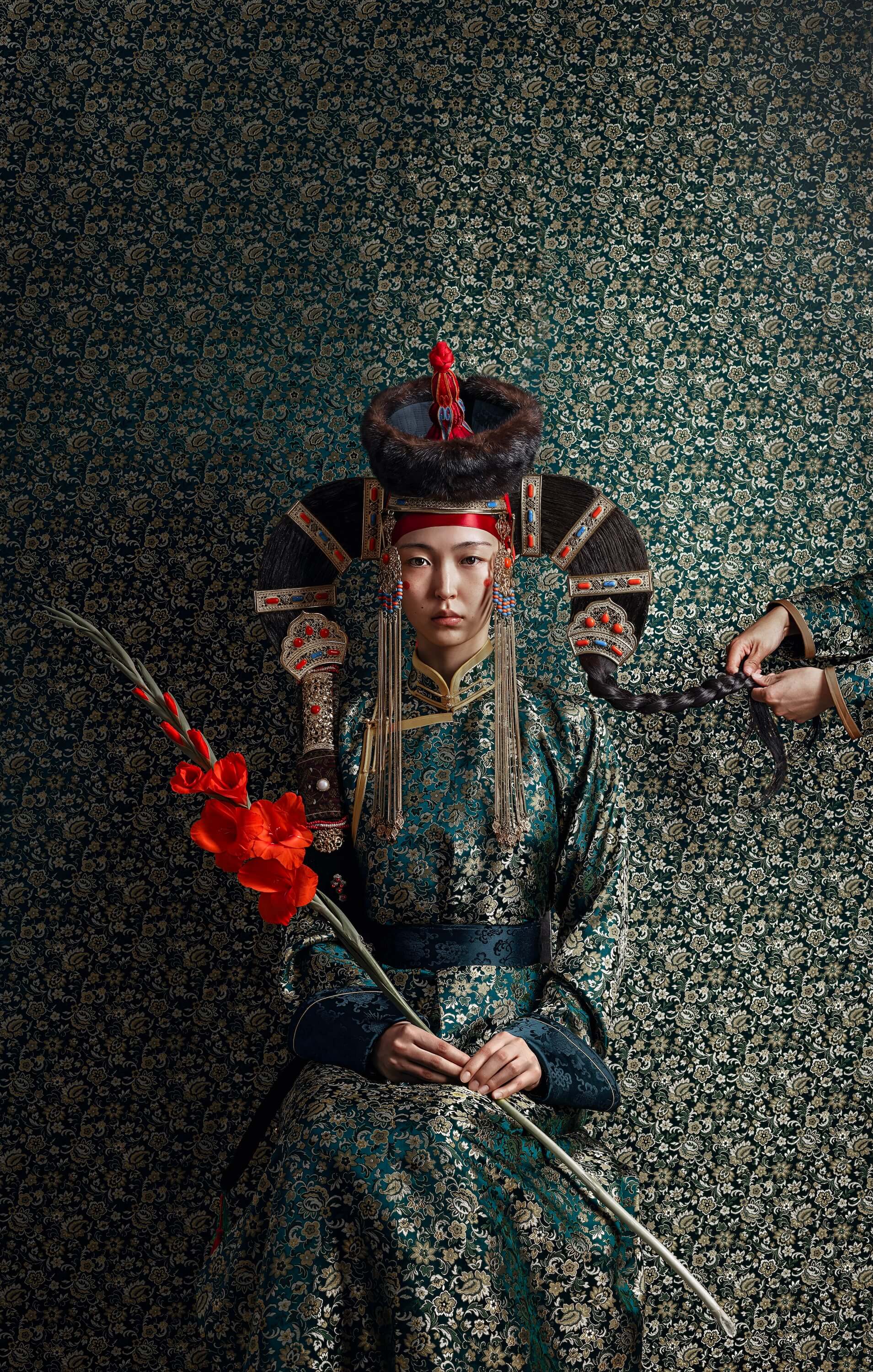
Portrait

Winner: GZ Miimaa

Judge: Natascia Mercurio

Portrait photographer exploring emotional nuance and human expression

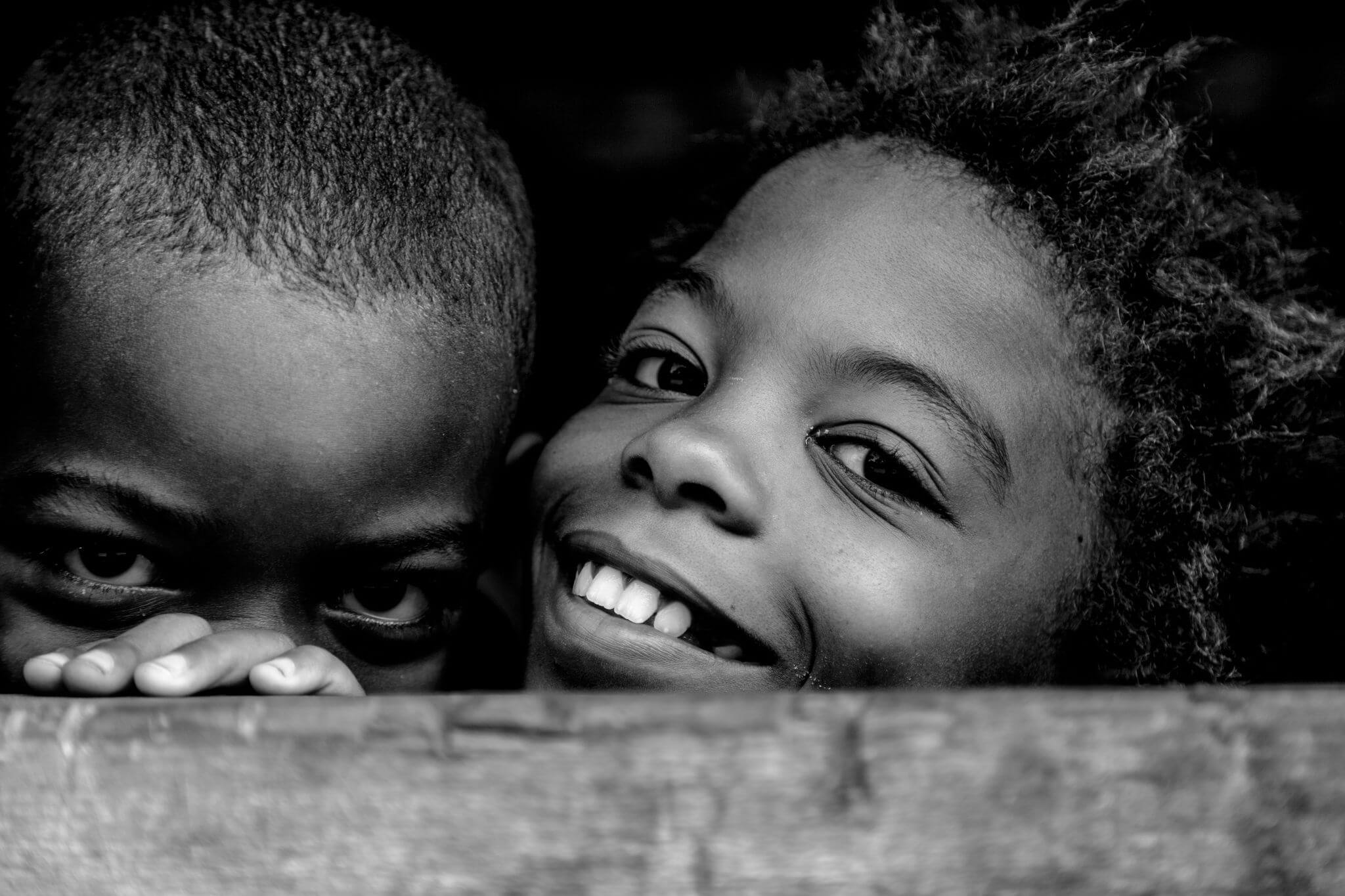
“A dominant, unforgettable portrait. Meticulously composed and rich in mood, whose quiet authority sets the benchmark for the entire series.”

Real Stories

Winner: Roberto Pazzi

Judge: Krid Karnsomdee

500px Ambassador known for minimalist, geometric imagery

“I love this photo because it depicts a lifestyle that is hard to come by today. Shot in South Sudan, the backlighting is excellent, the subject is clear enough to reveal the textures of the mud and dirt. The environment tells a deeper story about responsibility and resilience.”

Click here to view all finalists who reached the final round of judging.

People’s Choice Winners

Selected by our global community on PULSEpx, these images captured the hearts of photographers and viewers alike.

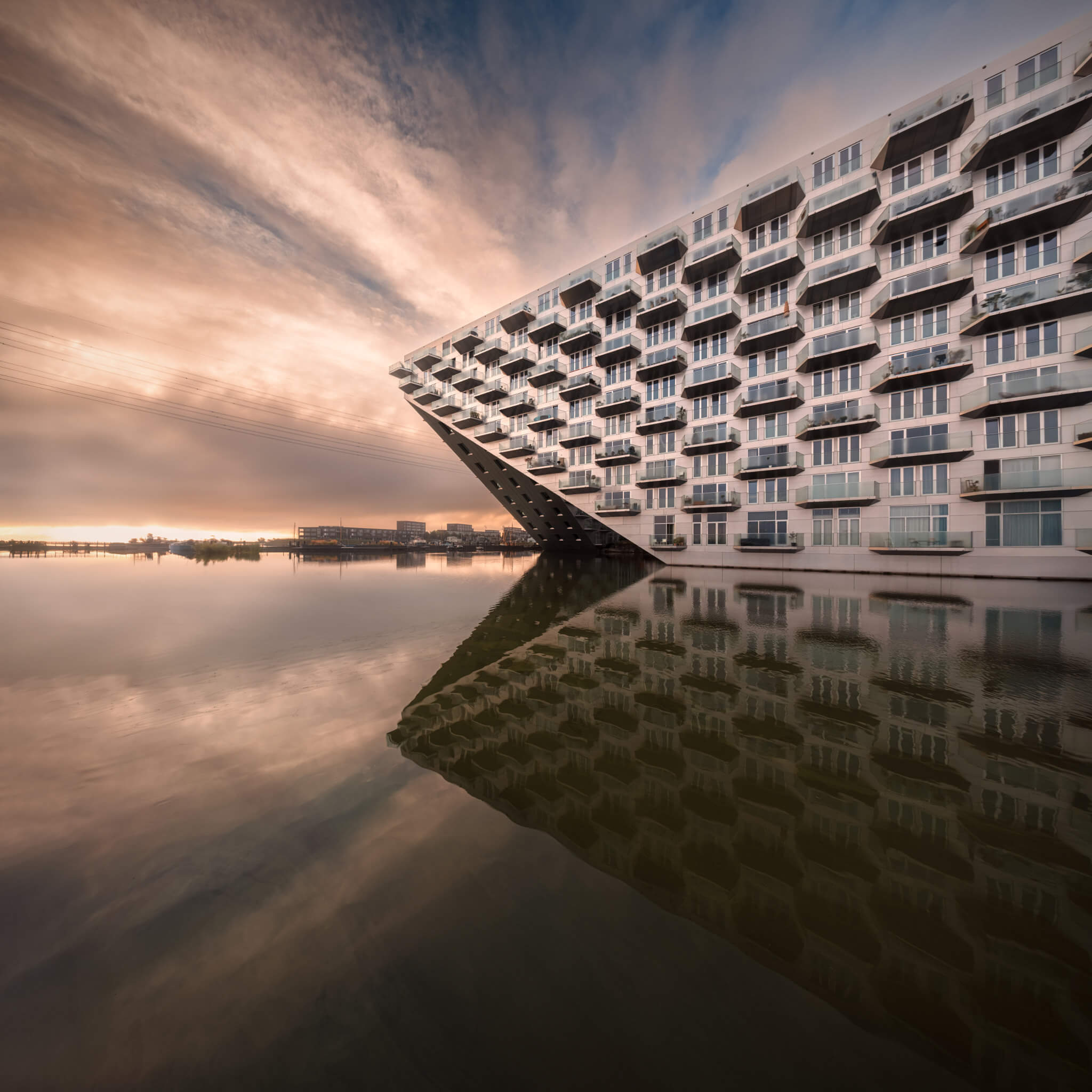
Architecture: lukasz_de_83

Animal: uggetheexplorer

Landscape: hannahmarlenephoto

Portrait: zamira

Real Stories: flavio_souza_cruz

Across all categories and thousands of votes, two photographers captured the highest recognition of the entire competition.

500px Photographer of the Year

GZ Miimaa

GZ Miimaa’s portfolio showcases an exceptional command of portraiture and cultural storytelling. His work highlights the quiet power of human connection, rendered with striking mood, clarity, and control. This refined, emotionally rich body of work earned him the title of 500px Photographer of the Year, a well-deserved recognition of his artistic excellence.

View GZ Miimaa profile on 500px

Popular Photographer of the Year

uggetheexplorer

Earning the highest number of votes across the entire competition, uggetheexplorer has been named Popular Photographer of the Year. Their wildlife imagery captivated the global community on PULSEpx, resonating with viewers for its atmosphere, emotion, and immersive storytelling. This title reflects the strong connection their work built with photographers and fans around the world.

View uggetheexplorer profile on PULSEpx

Awards & Prizes

This year’s winners received prizes sponsored by vivo, including the flagship vivo X300 Pro, the vivo Professional Photography Kit, and 500px Pro and Awesome Memberships.

Our two top titles were awarded additional cash prizes from 500px:

  • $1,500 USD for the Judges’ Choice Photographer of the Year
  • $1,000 USD for the People’s Choice Popular Photographer of the Year

These prizes are designed to support photographers as they continue to explore, create, and innovate.

A special thank you to vivo, the Exclusive Sponsor of the 2025 500px Global Photography Awards, for supporting photographers and powering this year’s celebration of creativity.

Thank You to the 500px Community

To everyone who participated by submitting, judging, or voting, thank you for making this year’s Awards extraordinary. Your creativity fuels this global community, and we are honored to celebrate your work.

Stay tuned for more creative opportunities and upcoming announcements on 500px.

The post Announcing the Winners of the 2025 500px Global Photography Awards appeared first on 500px.

[NDN/ccn/comedia Links]
Thursday, February 12, 2026

Guiding the Eye: Mastering Leading Lines in Composition

Leading lines are one of photography’s most powerful compositional tools. Whether subtle or striking, these visual pathways help guide the viewer’s eye through the image and emphasize the story you want to tell. By mastering leading lines in composition, you can elevate your photography from snapshot to storytelling.

Let’s explore how to identify, use, and enhance leading lines with purpose and creativity.

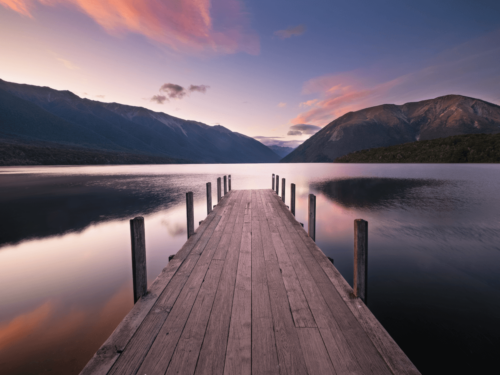
Wooden dock extending into a calm mountain lake at sunset, demonstrating leading lines in composition that guide the viewer’s eye toward the distant peaks.

What Are Leading Lines in Composition?

Leading lines in composition refer to natural or man-made elements in a photo that create a visual path. These lines draw the viewer’s attention to key subjects or guide their gaze through the image.

Some common types of leading lines include:

  • Roads, paths, or trails
  • Fences, bridges, or railings
  • Rivers or shorelines
  • Shadows or beams of light
  • Architectural lines like hallways or windows

Pro Tip: Strong leading lines lead somewhere, ideally to your subject or focal point.

Why Use Leading Lines in Photography?

Leading lines do more than add structure; they create flow. This sense of direction helps control how your image is consumed, making your storytelling more deliberate.

Leading lines in composition also:

  • Create a sense of depth or perspective
  • Add dynamic energy to still scenes
  • Strengthen your visual hierarchy
  • Encourage emotional or symbolic interpretation

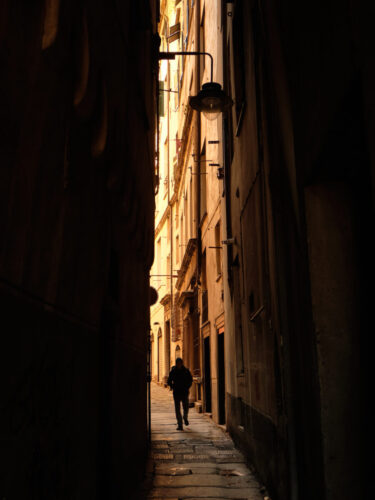
Person walking through a narrow sunlit alley, with tall buildings creating strong leading lines in composition that draw focus toward the subject. Cathedral interior with glowing stained glass windows framed by repeating arches, illustrating framing techniques that emphasize depth and symmetry.

How to Use Leading Lines Effectively

Here’s how to make the most of leading lines in your photography:

1. Frame with Intention

Position your lines so they start near the edge of the frame and move inward toward your subject. Diagonal lines can add drama, while curved lines suggest calmness.

2. Use Wide Angles for Impact

Wide-angle lenses exaggerate the effect of perspective, making leading lines more prominent and dramatic, especially in landscape or architecture photography.

3. Layer for Depth

Combine multiple lines or intersecting elements to add visual layers. For example, a winding path leading to a tree framed by a bridge arch adds complexity and narrative depth.

Genre Applications of Leading Lines

Landscape Photography: Use trails, rivers, or rock formations to draw attention to natural focal points.
Street Photography: Capture crosswalks, shadows, or railings that pull the eye toward your subject.
Portraiture: Employ fences, hallways, or light beams to emphasize your subject subtly and creatively.

Pro Tip: Practice spotting leading lines everywhere, in architecture, nature, even reflections. With training, you’ll see opportunities everywhere.

Editing for Stronger Composition

Don’t be afraid to crop or adjust angles in post-production to improve how your leading lines function. Subtle tweaks in rotation or exposure can enhance the direction and flow without changing the image’s core essence.

Black and white spiral staircase viewed from above, showcasing framing techniques through circular repetition and geometric symmetry.

Let the Lines Lead the Story

When used thoughtfully, leading lines in composition give your photos energy, structure, and intention. They’re not just about aesthetic appeal; they’re about storytelling and guiding the viewer’s emotional journey.

So next time you’re composing a shot, ask yourself: Where do I want the viewer’s eye to go?

Then let the lines do the talking.

Extended reading: Harnessing the power of the rule of thirds

The post Guiding the Eye: Mastering Leading Lines in Composition appeared first on 500px.

[NDN/ccn/comedia Links]
Thursday, February 5, 2026

Framing with Purpose: Using the Rule of Thirds in Photography

The rule of thirds is one of the most well-known and widely used compositional techniques in photography. But when applied with intention, it becomes more than a guideline; it becomes a tool for purposeful storytelling and emotional impact.

Let’s explore how you can use the rule of thirds in photography to frame with purpose and elevate your shots from good to unforgettable.

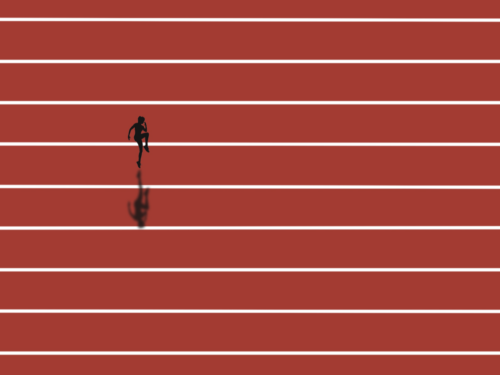
A lone runner crossing a red running track, positioned off-center to demonstrate the rule of thirds in photography and visual balance through negative space.

What Is the Rule of Thirds in Photography?

The rule of thirds in photography is a simple compositional technique that divides your frame into nine equal parts using two horizontal and two vertical lines. The idea is to place your subject or key elements along these lines or at their intersections.

Why does this matter?
Because our eyes naturally gravitate toward these points, creating balance and tension that feels both natural and dynamic.

Why Framing with Purpose Matters

Pro Tip: Use the rule of thirds to guide the viewer’s eye, not just to follow a rule

When you frame with purpose, you’re making conscious decisions about:

  • What the focal point is
  • How you want the viewer to feel
  • Where you want their attention to go

The rule of thirds in photography helps you compose scenes that are visually engaging while reinforcing the story you’re telling.

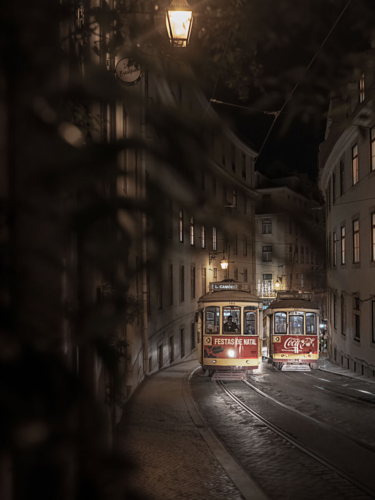
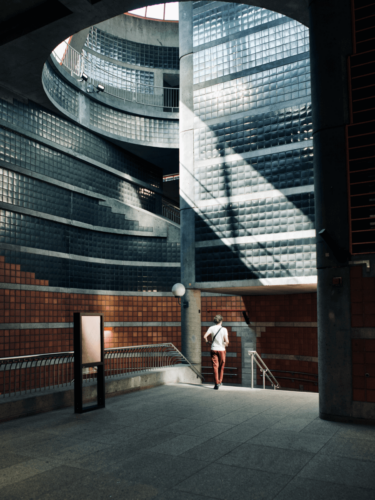
Two illuminated trams traveling through a narrow city street at night, composed using the rule of thirds in photography with leading lines and depth. A person walking through a modern curved architectural interior, placed along a lower third as one of many rule of thirds examples in architectural photography.

Applying the Rule of Thirds in Different Photography Styles

Here are ways you can apply the rule of thirds across genres:

1. Portraits

Instead of centering your subject, try placing their eyes along the top third line or aligning their face at an intersection point. This adds balance while allowing room for context or leading lines.

2. Landscapes

Place the horizon along the top or bottom third, depending on what you want to emphasize; sky or land. This instantly creates more depth and interest.

3. Street or Candid Photography

Use intersections to align people within busy scenes, letting the rest of the image support their story.

When to Break the Rule

Yes, you can break the rule of thirds. But when you do, do it with intention.

For example:

  • Centering your subject can create symmetry and power.
  • Off-balance framing might evoke tension or unease.

Pro Tip: Master the rule of thirds in photography first, then learn when it’s worth breaking

Knowing when to follow and when to bend the rule gives you more creative control and visual impact.

Practice Makes Purposeful

To start using the rule of thirds in photography with greater impact:

  • Turn on your camera’s grid overlay
  • Experiment with different focal points and placements
  • Review your favorite photos and notice how they’re composed
  • Crop intentionally during editing to reinforce visual flow

Framing isn’t just about what’s in the photo, it’s about why you’re placing it there.

A fox facing a crow in a snowy landscape, each subject aligned on opposite thirds, creating tension and storytelling as a rule of thirds example in wildlife photography.

Conclusion: Frame to Tell, Not Just to Show

The rule of thirds in photography is more than a formula, it’s a doorway into thoughtful, expressive composition. When you use it to frame with purpose, you invite your audience to see and feel what you saw in that moment.

So next time you raise your camera, pause. Ask yourself: Where does the story live in this frame?

Then place it with purpose.

Extended reading: 14 photography composition tips that aren’t the rule of thirds 

The post Framing with Purpose: Using the Rule of Thirds in Photography appeared first on 500px.

[NDN/ccn/comedia Links]