Thursday, November 25, 2021

SBK, Gerloff: “I would never drive a MotoGP in Austin”

Saturday in Portimão showed us a Garrett Gerloff who is approaching the top ranks again. After the problems he had at Assen, the American showed his confidence on the R1 in Portimão and finished sixth behind Haslam’s Honda.

It’s a shame that the GRT driver regrets his lack of consistency, which has kept him from competing with the fastest.

“Without all the falls, I would have come tenth or just under the top ten,” he admitted. “The problem is my lack of consistency in the race. I drove three good laps, but then lost my pace and finally recovered. It’s a shame because I was confident before the race, but it didn’t go as expected. So we’ll see what we need to do tomorrow to move forward in terms of performance. “

Garrett’s attention then shifts to the stars and stripes surrounding Austin and relevant controversy.

“When I heard MotoGP riders complaining about the dips over the past few years, I thought they were sissies. But after trying MotoGP in Assen, I understand your complaints. The MotoGP is a prototype that is incredibly sensitive and in Assen, for example, you can see why the tarmac is so perfect. Personally, I would never take a MotoGP bike out to race in Austin because it’s dangerous. “

Garrett executes.

“I would ride a superbike there because I know the bike and know how to handle the dips. In MotoGP, however, the situation is completely different, because the bike becomes unstable in all areas and consequently keeps moving. I think it’s really complicated to race in these conditions and I understand the dissatisfaction. “

Rins promises to continue the title hunt despite the point deficit

The Suzuki rider led 16 of the first 17 laps on Sunday before handing over the lead to teammate Joan Mir, who took his first MotoGP victory.

This enabled Mir to take a 37-point championship lead with only 50 remaining from the last two races, with Rins now and Fabio Quartararo second in the overall standings.

As an outsider in the championship, 32 points behind Mir ahead of the European GP on Sunday, Rins has not given up his hopes despite the poor math.

“The math says 50 [points remain], these are the points at stake, ”said Rins.

“Joan is having a great season with lots of podiums, but why not? [go for the title still]?

“We’ll keep chopping until the end.”

Rins lost the lead to Mir on lap 17 when Mir was overrun into the right-hand bend at Turn 11 – a result of which he had shifted into first gear instead of second.

From there, Mir was able to use his lead of over a second at a time and keep Rins in check until the checkered flag.

“Well, I think it’s great to be on the podium again,” said Rins after his fourth podium result in five races.

“We got 20 good points for the championship. Let’s look at the last two races now, but I’m pretty comfortable with the bike.

“We did a really good job in many parts of the race and finished in second place.

“Of course I would have liked first place, but I made a small mistake with the gear at Turn 11 and that cost me first place.

“I tried to keep that gap with Joan, but he was able to drive a little faster compared to me. But we are on the right track. “

Suzuki is now on the verge of claiming its first MotoGP crown since 2000 with Mir, but Rins says there have been no discussions about team orders and both riders have simply been warned to avoid “ugly fights” in recent races.

“In the end, they made it clear to us: you have to be respectful on the track, with no ugly fights or elbows,” he added.

“But there we are, arithmetically we’re still fighting for the World Cup.”

Suzuki’s first one-two in the premier class since 1982 means the Japanese brand will also hold the lead in the team and constructors’ standings and Honda will pull all three titles it won last year.

Joan Mir is amazed by the accident at Le Mans at the end of the race

The Suzuki driver had made good progress from 14th on the grid and had fought his way into the top 9 when he slipped out of the race at the end of the fifth lap in the heavier rain.

After Mir failed to return his damaged bike to the pit lane, Mir was unable to switch to his second wet condition bike setup during the flag-to-flag stop – flag race ahead.

Mir – who is now 31 points behind the championship lead – explained his day: “During a championship fight there are always some races where you make a mistake and get a zero [score].

“If there’s only one, it’s really good. But that wasn’t part of my plan today.

“I wanted to do my best. To be honest, I felt strong on the track, I was able to overtake a lot of drivers on the first laps.

“I was in the group. I passed once [Miguel] Oliveira I tried to overtake Aleix [Espargaro] and then with Marc. to be in the group [Marquez] and [Alex] Kidneys.

“But the rain came and on this lap I honestly don’t know what happened.

“For my part, I have to apologize to the team for making a mistake.

“I saw that the bike wasn’t going and I’m running to the pits… I knew I had to come on the bike, but the bike was a bit damaged and I started walking.

“I don’t know why, the adrenaline or something. But I will learn from this experience for the future, I will certainly not repeat it. “

Also read:

Teammate Alex Rins was in the lead group at the end of the fifth lap when they switched bikes and got out second behind Marc Marquez.

But Rins crashed seconds later in the Dunlop chicane and then crashed a second time on his other bike, which was designed for the dry, making the Suzuki “aggressive” on wet tires.

“The heavy rain was a great shame because yesterday I told my employees, my team, that I felt pretty good in dry conditions and that we were able to make it onto the podium,” said Rins after his second racing accident in a row in 2021.

“But then you saw a perfect start, good laps at the beginning.

“Then it started to rain, we risked a lot, all the drivers, because it was big, big, big water.

“Then I went out of the box, usually in this corner in practice when we weren’t using the brakes to pull out, and this time I braked a little with the front to turn and I lose the front.

“Then I go in to change the bike again and we start with Medium / Soft, but the biggest problem was the dry set-up for the wet bike.

“In the first few laps I struggled to warm up the tires, but in general I had the feeling that the bike was too hard and a bit aggressive and that I lost the front again.”

Alex Rins, Team Suzuki MotoGP crash

Photo by: Gold and Goose / Motorsport Images

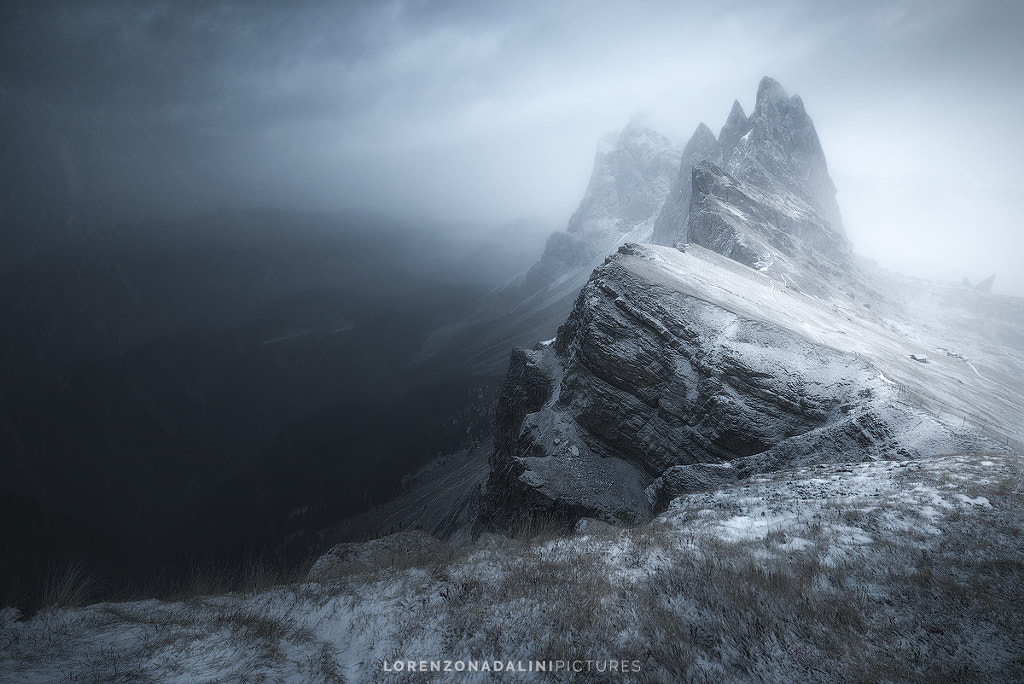
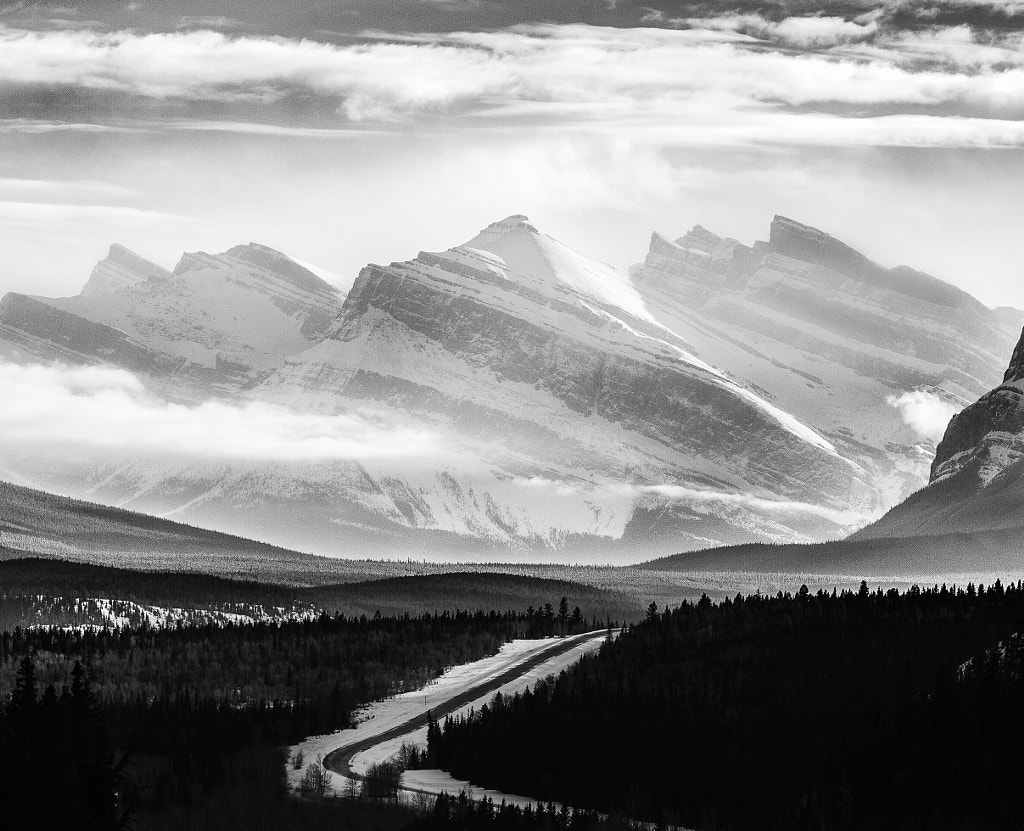
How to use a monochrome color palette to elevate your photography

If you’re a film buff, you know that some movies revolve around a single color. The Matrix, for example, includes scenes with a signature green hue, meant to represent the virtual world. Wes Anderson famously used variations of pink in The Grand Budapest Hotel. The Three Colours trilogy, a series of French films by Krzysztof Kie?lowski, use blue, white, and red, respectively.

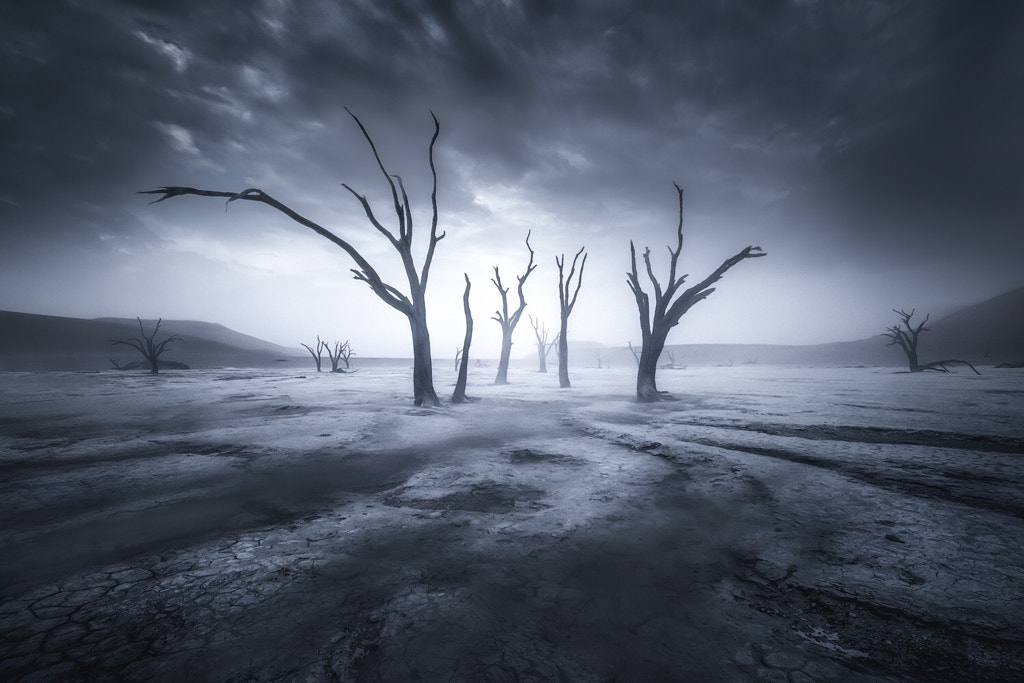
In art and design, a monochrome color palette uses one hue only, often with varying saturations or values. These schemes can heighten the emotion or idea behind iconic films, and they can be used similarly in still photography. In this quick guide, we’ll explore how to use these palettes to your advantage.

A quick note on language

While “monochromatic” and “black and white” are often used interchangeably in photography, they mean different things. All black and white photographs are monochrome, but not all monochrome photos are black and white. Some examples of images that are monochrome but not black and white would be cyanotypes, with their characteristic Prussian blue, or warm sepia photos.

Monochrome photos can be any color, as long as they exclusively use varying tones of that hue. Monochrome moments can sometimes be found in the real world—for example, in natural landscapes of one primary hue. Other photographers, like 500px Ambassador Renat Renee-Ell, might carefully select locations, wardrobe, and props specifically to follow a monochrome color scheme. This approach takes time, but it often pays off.

Finally, many photographers choose to enhance or create the monochrome effect in post-production to elevate a specific mood or atmosphere. In this story, we’ll focus primarily on how to shoot with a monochrome color palette in mind, rather than how to convert an image from color to monochrome in post, but this can easily be accomplished in Adobe Lightroom or a comparable app. Presets can also provide a nice point of departure; from there, you can tweak to taste.

For more about black and white photography specifically, check out this article.

Why monochrome?

The truth is that some photographs work in monochrome, while others end up looking flat or muddy. The monochrome approach can be especially effective when you have an outstanding composition, a range of lights and darks, and interesting details and shapes.

Limiting yourself to just one hue can also eliminate distractions and help distill a photograph to only its most essential parts. In the best cases, where the artist had a clear reason for choosing monochrome, it can create an effect that is at once subtle and dramatic.

Tip #1: Isolate your subject

One danger in monochrome photography is letting your subject fall away or become muddled with the background; after all, the foreground, background, and middle ground will all be the same hue. Luckily, there are many ways around this problem. The first, and perhaps most obvious, is to use lights and darks to create contrast. Choose a light subject and a dark background, or vice versa.

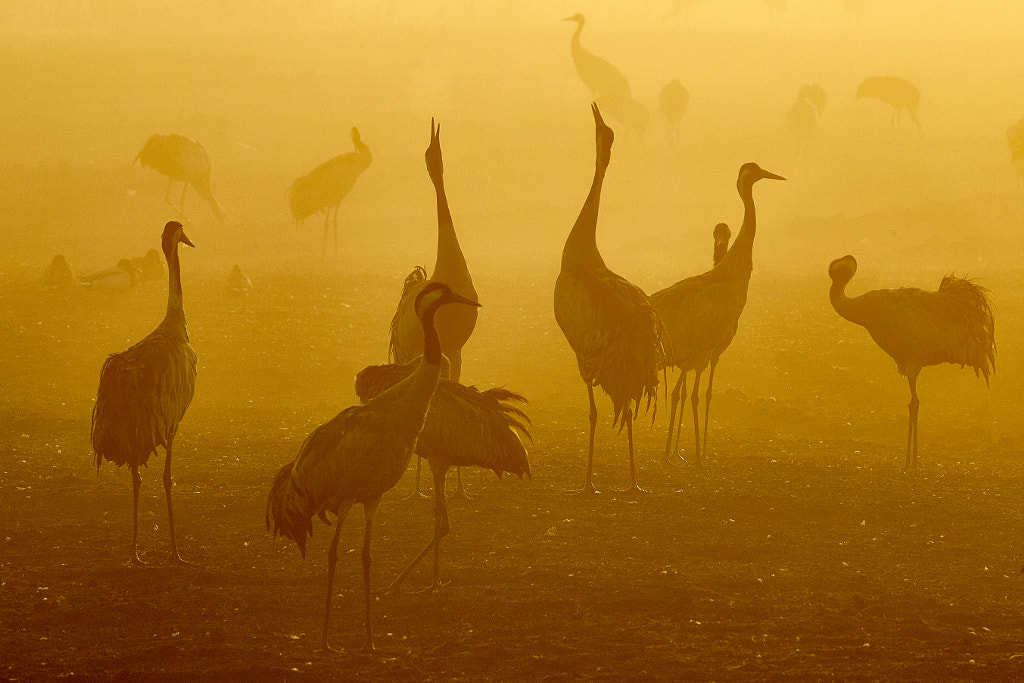
Hint: If you have a light background and dark subject, try using backlight, exposing for the background, and letting your subject fall into silhouette. Silhouettes can be especially powerful in monochrome.

Another way to create that separation would be to open up your aperture. This method is particularly popular in portrait photography: with a shallower depth of field, you can keep your subject in focus while creating pretty background blur or bokeh behind them.

Tip #2: Embrace natural light

These days, you can do almost anything with color in post-production, from boosting the saturation to introducing tons of contrast—but that doesn’t mean you should. The best editing is often the most natural, and while monochromatic photographs might give you more freedom and artistic license, that rule still holds.

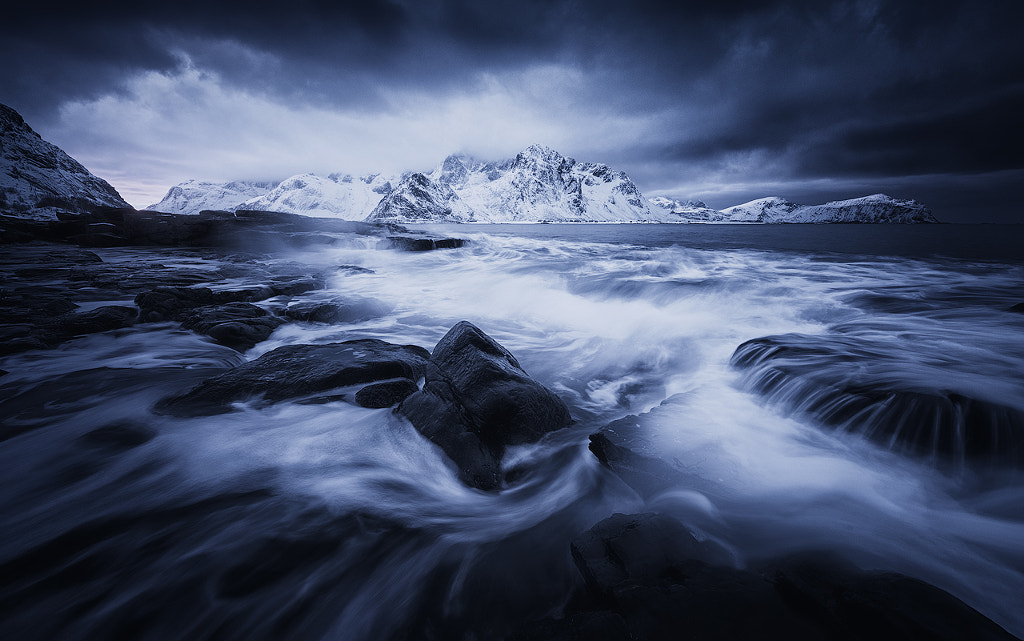
Luckily, there are some natural lighting situations that can lend themselves to an almost monochrome palette, including the appropriately named “blue” and “golden” hours around sunrise and sunset. While the blue hour might work best for lonely winter landscapes, the golden hour can bring a sense of warmth and nostalgia to otherwise ordinary scenes. Consider these conditions when choosing locations, and feel free to enhance the mood in post-production, using a light touch.


Your first pro membership

Tip #3: Look for texture

Monochrome photos don’t have color contrast, so one way to create interest is by introducing texture, whether it’s a rough and craggy landscape or the silky surface of a body of water. Textures look best when lit from the side, so pay attention to where your light source is in relation to your subject. Adjust your position accordingly, or plan your shoot for when the sun will be in the ideal spot in the sky.

Tip #4: Introduce motion

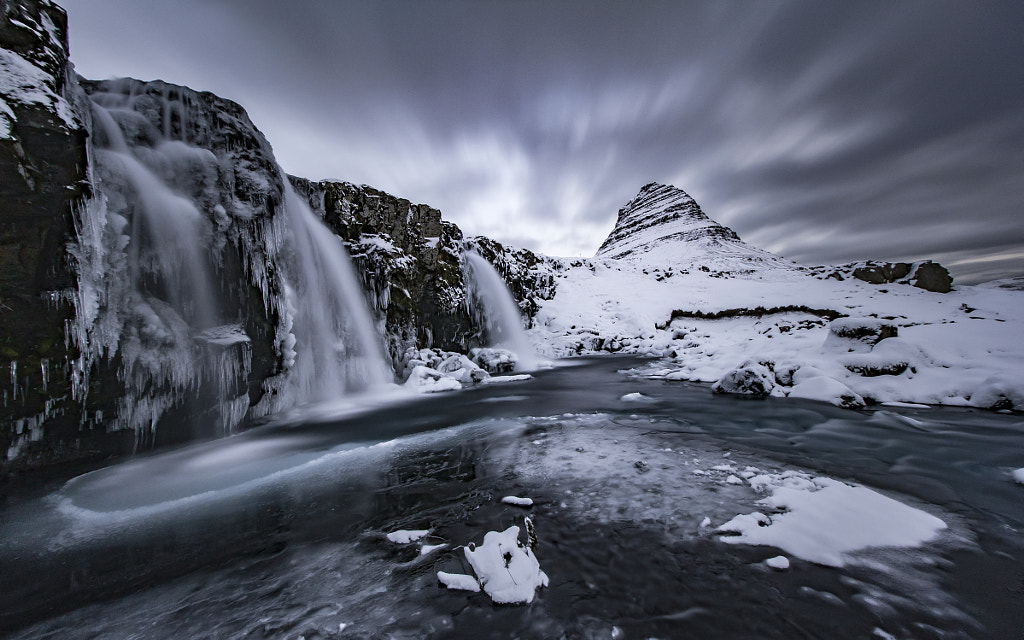
Movement, like texture, can help bring drama to a scene that lacks color contrast. If you’re shooting landscapes, you can incorporate motion by using long exposures to blur clouds or waves. In general, dramatic, cloudy skies work best in monochrome, as plain skies can look boring without those characteristic streaks of color.

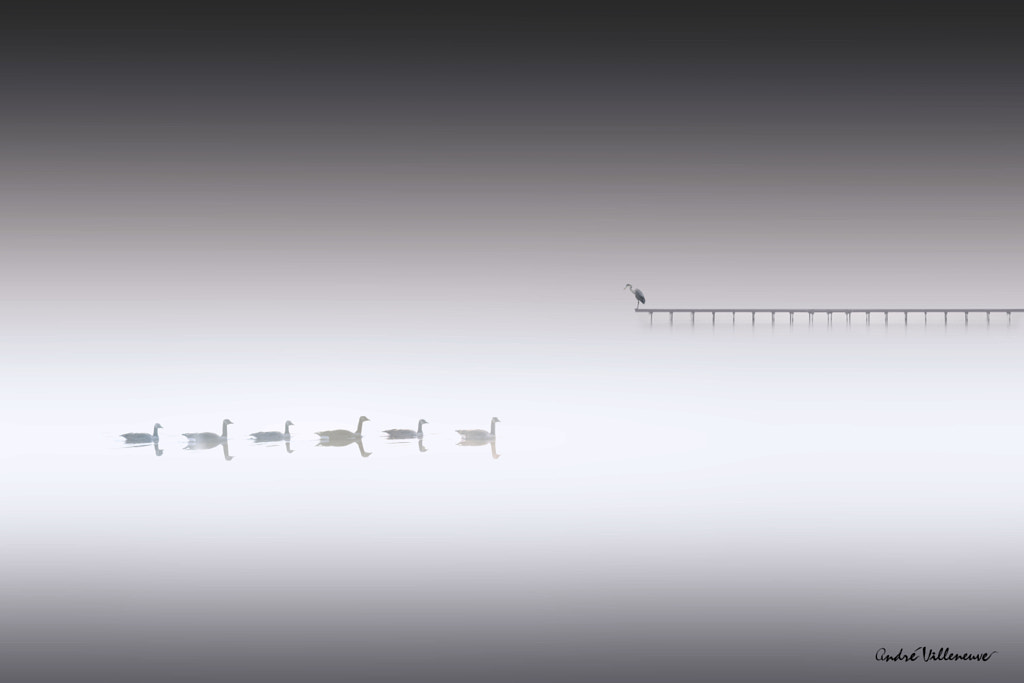
Tip #5: Simplify your composition

Ultimately, monochromatic photography is about stripping your composition back to its essential elements. For that reason, a monochrome palette often works well with minimal compositions. Look for textures, lines, and shapes, but remember to be just as deliberate about what you don’t include as you are about what you do. Subtract distracting elements by moving around, and position your subject where it’ll stand out (for example, using the rule of thirds). A monochrome color palette can inspire you to get back to the basics and focus on what matters most.

Finally, you don’t necessarily need to create a strictly monochromatic photo to reap the benefits of this kind of color palette. Sometimes, one hue will dominate a scene, appearing in multiple shades, tints, and tones—but with the occasional appearance of another hue. In that case, you wouldn’t have a pure monochrome picture, but maybe the image works better that way.

In any case, understanding how to work with lights and darks and intense or desaturated versions of one hue will help you understand how to use a monochrome palette as a tool that you can adapt to your needs—rather than a rule that needs to be followed.

Not on 500px yet? Sign up here to explore more impactful photography.

The post How to use a monochrome color palette to elevate your photography appeared first on 500px.

[NDN/ccn/comedia Links]

Wednesday, November 24, 2021

MotoGP, Michelin: Sepang pushes tires to the limit

When we hear Sepang, we imagine a fast, technical track where the sun can ruin the asphalt and then five minutes later rain could soak it. Although the Malaysian track holds no secrets for the MotoGP riders who are used to the winter season here, surprises are always around the corner.

Not just for the drivers, but also for the Michelin technicians who prepared for the penultimate race of the season by developing tires that can withstand the heat and the abrasive asphalt. As always, there are three compounds available (soft, medium and hard), with symmetrical front tires and asymmetrical rear wheels (with a harder right side)).

In wet weather, Michelin rain tires are soft and medium (in this case also the rear tires asymmetrically).

“This is a track that we all know very well, as we come here every year for a pre-season test and it’s an ideal track to understand the bikes and the tires,” explains Michelin manager Piero Taramasso in 2016 , so it should be properly sorted out now, and While we have a lot of data here, it still takes a lot of thought as it’s one of the hottest places we visit and track temperatures can be pretty extreme, it’s not uncommon for them to rise above 50C. “

The tires must therefore withstand considerable loads.

“The tires are pushed to the limit to withstand the high temperatures and have shown their full potential since our return to MotoGP, they also had to show their skills in wet weather as we have had some wet sessions since our return to Malaysia, “assured Taramasso.

MotoGP Portimao II: Stoner plays spotter for Ducati

05/11/2021 |
|
MotoGP

Image: GeeBee Pictures

Double champion Casey Stoner returned to the Portimao MotoGP paddock on Friday while Ducati quickly put the legend’s skills to use.

After meeting up with fellow Australian Jack Miller on Thursday, a few jokes led the former Ducati winner to take to the track on Friday to help line up the factory team, and with obvious success.

Pecco Bagnaia and Jack Miller finished the first day of training on Friday in second and third overall, with the newly crowned MotoGP champion Fabio Quartararo taking the lead with his penultimate lap of 1: 39.390.

“I had a spotter on the track today, which was nice for a while,” Miller said on Friday afternoon.

“You really can’t ask for anything better than him, I don’t think so. He gave me some tips on what he saw on the track like a spotter does. I think we need to speak to Ducati next year. Let’s see if we can get him on budget to do a few more races!

“We joked a bit with it yesterday and he actually did it,” the Australian continued. “I saw a few different things, gave myself a tip after FP1, I worked on it in FP2 and it was better. He had a few suggestions like any other driver-trainer would, but I think you pay a little more attention when someone tells you what they see on the track, that’s for sure! “

“I met Casey here for the first time yesterday and today he was like our coach,” added Bagnaia. “He was on the right track to see us and it’s nice to hear a different point of view so I guess but he’s not your normal trainer, he’s Casey Stoner! The only one who wins with Ducati. That was definitely great, I really appreciate it and maybe there will be more tomorrow. “

“It’s nice to catch up with him anyway, because I hadn’t seen him in a long time and it was good,” Miller mused. “I think Casey is a legend, what he did in this sport was fantastic. Two-time world champion, multiple race winner, these incredible races, leading from start to finish. He’s been incredibly strong through his career. I hope one day maybe to have the same thing, just one day to even be able to be on the same trophy as him, would be nice. “

“You’ve always been on the sidelines,” Stoner said of Ducati’s prospects.

“You were long on the verge of having the full package and getting the job done, but unfortunately it’s that time again which Ducati rider will be quick on which weekend. We need to see a little more consistency, maybe a bike that is suitable for all tracks. We’ve always had this problem, all manufacturers have good and bad tracks, but yes, with certain styles and certain tracks the Ducati seems to be struggling. So you just need to create a little more consistency and a little, say, simpler package at certain times, but they were always very, very close.

“I think if everything goes in its direction, yes, they can win a championship, but when you have Yamaha, year after year it produces a great package – and I mean, what Yamaha had for a year is quite a lot different “forms of motorsport this year! They keep putting out a package that is very, very difficult to beat. You have Marquez that when he’s fit and healthy on the Honda they’re very hard to beat. So that makes it difficult for them. It’s not just about throwing a couple of bikes out on the track with a pilot who does the job, you need the whole package to work together and that can be difficult at times. “

Rin’s first MotoGP win “is coming soon”

Rins had an ups and downs in 2018 when he finished third in Argentina, but battled for form in subsequent races held on tracks he missed due to injury last year.

It was Assen where he returned to racing last year and Rins showed improved form at the Dutch venue as he was part of the leading group throughout the race and finished second – 0.039 seconds ahead of Maverick Vinales.

Rins says that by gaining experience in each race, he feels like he will soon be celebrating his first MotoGP win.

“We have been driving very fast on all tracks since Qatar,” said Rins. “I was able to ride with the leading group on many tracks, but I made small mistakes and fell.

“Now I’m trying to stay calmer, especially on this track. Suzuki has brought a new engine with a little more speed, especially at the top, which helps us a little on the straights. That’s all.

“I think all upcoming races will be good for us, I’ll try to do my best in every race.

“We are using the new engine and the carbon chassis. I’m very comfortable with these parts so you have to fight to move forward.

“Little by little we are gaining experience, but the bike works very well and I think victory will come soon.”

Rins described his race as “the toughest of my life” but enjoyed fighting with the best MotoGP riders.

“Unbelievable. I have no words,” he said. “I think the toughest race of my life in MotoGP.

“I did my best, we knew since yesterday that it would be a very difficult race with many drivers at the front.

“But we did it very well. I tried to keep my rhythm, to catch up with them because I knew I could land on the podium.”

Rins’ most memorable moments of the race were overtaking Marc Marquez in the Strubben, which almost resulted in the Honda rider falling, and overtaking Maverick Vinales on the final lap in second place.

The Suzuki driver added: “That was amazing because two or three laps before I overtook Marc I saw that he was very strong on that corner and I felt great and I think why not?

“So I released the brakes and passed him, but on the next lap he passed me. So I said, ‘Wow, this is going to be a fantastic race’.

“Even in the end with Maverick and with every driver, [Andrea] Dovizioso too, I really enjoyed it. “

Rins added that he was not 100 percent physical as he had a gastrointestinal virus the morning of the race.

“This morning my stomach didn’t feel good at all and my breakfast was bad so the doctors could treat me well, but I was a little weak,” he said.

“It was a very difficult race. Thanks to Clinica Mobile and all the doctors.”

Additional reporting from Oriol Puigdemont