Thursday, January 27, 2022

Harley-Davidson’s New Street Glide ST And Road Glide ST Inspired By MotoAmerica King Of The Baggers Championship Winner – MotoAmerica

Harley-Davidson’s new Road Glide ST looks a lot like the King Of The Baggers Harley that Kyle Wyman rode to the 2021 MotoAmerica Mission King Of the Baggers Championship.

The following is from Harley-Davidson…

Harley-Davidson adds performance and factory-custom style to its 2022 motorcycle line with the reveal of eight new models, each powered by the Milwaukee-Eight® 117, the most-powerful factory-installed engine offered by Harley-Davidson. New models include the Street Glide® ST and Road Glide® ST in the Grand American Touring line, the more powerful Low Rider® S, and the new Low Rider ST® Cruiser models, and four super-premium models from Harley-Davidson® Custom Vehicle Operations™ (CVO™).

“As part of our focus on stronghold segments, including Grand American Touring and Cruisier, the 2022 product line is designed for power and performance. Each of these new models feature the unrivalled power of the Milwaukee-Eight 117, for those riders who want nothing but the biggest and the best, building on our position as the most desirable motorcycle brand in the world,” said Jochen Zeitz, Chairman, President and CEO, Harley-Davidson.

Street Glide ST & Road Glide ST

Harley-Davidson elevates bagger performance and brings the purposeful style of the championship winning MotoAmerica King of the Baggers race bikes to the street with the introduction of the Street Glide® ST and Road Glide® ST models. These hot rod baggers combine the V-Twin muscle of the Milwaukee-Eight 117 powertrain with new dark and bronze finishes. For riders who want to strafe corners in comfort, the STs feature the complete suite of Harley-Davidson Grand American Touring features including Reflex™ linked Brembo® brakes with ABS, Boom!™ Box GTS infotainment system with color touch screen and navigation, cruise control and Daymaker® LED headlamps. The Street Glide ST features the iconic Harley-Davidson batwing fairing, while the Road Glide ST rolls with an aerodynamic frame-mounted sharknose fairing with dual headlamps.

Harley-Davidson Custom Vehicle Operations (CVO)

Premium limited-production factory custom models from Harley-Davidson® Custom Vehicle Operations™ (CVO™) offer the most-discerning rider a very special motorcycle designed to represent the pinnacle of style and design from the world’s most-desirable motorcycle brand. Exclusive and hand-crafted paint and designs are executed to a level of intricate quality that is unmatched in the motorcycle and automotive categories. Each is powered by a Milwaukee-Eight 117 powertrain. Other standard features include a premium Harley-Davidson® Audio powered by Rockford Fosgate® system, a Boom!™ Audio 30K Bluetooth® Helmet Headset, and Cornering Rider Safety Enhancements by Harley-Davidson, technology designed to enhance rider confidence during unexpected situations or poor road conditions. Each CVO model offers all-new paint options for 2022.

  • CVO Street Glide Model is a super-premium bagger for the rider who rolls loud and proud. The classic silhouette of the batwing fairing topped with jaw-dropping paint and finish details, premium audio and the pavement-peeling power of the Milwaukee-Eight 117 engine make this one outrageous bike.
  • CVO Road Glide Model is designed for the rider who wants to run out front behind its distinctive dual LED headlamps, frame-mounted shark nose fairing and the unrelenting performance of the Milwaukee-Eight 117 powertrain. Powerhouse audio, an exclusive 21-inch front wheel, fabulous custom paint and extraordinary attention to detail complete this very desirable bike. 
  • CVO Road Glide Limited Model is loaded with luxury and long-haul comfort, head-turning style and power that always satisfies. Premium audio, heated seats and grips, and the aerodynamic Road Glide model shark nose fairing make this motorcycle the ultimate Harley-Davison Touring machine.
  • CVO Tri Glide Model is a super-premium trike offering distinctive style, powerful performance and long-haul touring capability plus the added confidence of a third wheel. The CVO Tri Glide is loaded with premium audio, luxurious comfort features and an astounding finish and attention to detail, on a chassis designed from the wheels up as a trike.

Cornering Rider Safety Enhancements by Harley-Davidson

Standard on CVO models and an option for all Grand American Touring models, including the Street Glide ST and Road Glide ST models, Cornering Rider Safety Enhancements by Harley-Davidson is a collection of technologies designed to assist the rider in maintaining the rider’s intended path through a curve. This technology package provides the following enhancements:

  • Cornering Electronically Linked Brakes
  • Cornering-ABS
  • Cornering-Traction Control with modes
  • Drag Torque Slip Control
  • Vehicle Hold Control
  • Tire Pressure Monitoring (TPMS)

Harley-Davidson stands for the timeless pursuit of adventure and freedom for the soul. Go to H-D.com to learn more about the complete line of 2022 Harley-Davidson motorcycles, gear, accessories and more.

Quartararo wins as Rossi falls, Dovizioso falls

The Petronas Yamaha rider dominated the first two races of 2020 but failed to make the podium in the following five races.

Franco Morbidelli maintained his pole position from the start line ahead of Jack Miller’s fast-starting Pramac Ducati.

As the field tightened into the first two turns, Danilo Petrucci had a moment accelerating from Turn 2, forcing Johann Zarco to look to avoid the factory Ducati in front.

But Zarco tucked in the front end of his Avintia GP19 and slid into Dovizioso’s side on sister plant Ducati, knocking them both out of place.

At the front, Valentino Rossi found his way onto Miller at Turn 5 and set about chasing his protege Morbidelli up front.

Miller fell out of form en route at Turn 10, nearly wiping out Rossi while Quartararo capitalized on that to move into third place.

Morbidelli’s lead over Rossi was half a second in the early stages, with the Yamaha trio dropping Miller fairly quickly.

Quartararo moved into the first corner ahead of Rossi at the start of lap six, three laps later he would take the lead from his Petronas teammate at the same spot.

Morbidelli narrowly passed Quartararo, but his hopes of victory were dashed when he nearly crashed twice en route to Turn 1 on Lap 14, dropping to third place behind Rossi.

Rossi was six tenths down on Quartararo but hopes of a 200th MotoGP podium in his 350th premier-class start were dashed when he slipped at Turn 2.

Morbidelli was again promoted to second, but his rear end faded dramatically in the final stages as both Suzukis found their way to push him off the podium.

Jon Mir bounced back from a stable start to finish second ahead of Morbidelli after passing the Petronas rider at Turn 1 on the penultimate lap.

The Suzuki rider extended Quartararo’s lead – which was over three seconds at times – and was just under a second from the checkered flag.

Rins came through from 13th on the grid to push Morbidelli back at Turn 10 on the same lap and followed Mir home for his first podium of the season and the first double podium for Suzuki since Misano in 2007.

Morbidelli stayed just 0.545s ahead of the Pramac duo of Miller and Francesco Bagnaia in fourth, closely followed by Takaaki Nakagami in seventh on the LCR-Honda.

Petrucci finished eighth with his factory team Ducati, while Maverick Vinales finished a close ninth on his Yamaha after a miserable afternoon.

Vinales got off to a poor start from fifth on the grid and found himself out of the points in 16th at the end of the first lap. On the M1 he struggled to overtake and benefited greatly from falls ahead.

The Yamaha rider beat LCR’s Cal Crutchlow in the closing stages in 10th place, with points rounded out by KTM’s Brad Binder, Aprilia’s Aleix Espargaro, Alex Marquez’s Honda, Iker Lecuona (Tech 3) and Avintia’s Tito Rabat.

Pol Espargaro on the KTM crashed out of contention for the top six on lap 13 and was later joined on the sidelines by Tech 3’s Miguel Oliveira.

Quartararo’s third win of 2020 now puts him eight points clear in the championship, while Mir moves up to second with his fourth podium of the year.

Vinale’s nightmare means he falls 18 points behind while Dovizioso is 24 points in fourth place. Now, 50 points adrift, Rossi’s hopes have taken a heavy hammer blow.

Vinales leads Yamaha 1-2-3 in FP1

Factory Yamaha man Vinales posted a lap of 1m45.572s at the very end of the 45-minute Friday morning session to lead Petronas rider Quartararo by 0.258s, with Franco Morbidelli a further 0.153s behind his teammate.

Vinales first hit the top of the times when he posted a 1m46.244s effort with 19 minutes to go, although that was soon beaten by newly-crowned six-time premier class champion Marc Marquez‘s best time of 1m46.035s aboard the Honda.

Read So:

Marquez’s benchmark stood until the final few minutes, as first Morbidelli broke the 1m46s barrier to record a 1m45.983s, which was soon beaten by a 1m45.987s from Vinales.

Quartararo briefly went quickest on a 1m45.830s once the checked flag fell but that was then surpassed by Vinales’ 1m45.572s.

Marquez didn’t improve in the final stages but stayed fourth, just under half a second off the pace, while Suzuki riders Alex Rins other Joan Mir were next up in fifth and sixth.

Top Ducati honors went to Jack Miller on the Pramac-run GP19, the Australian rider edging works rider Andrea Dovizioso by just 0.009s to take seventh.

Pol Espargaro (KTM) and Cal Crutchlow (LCR Honda) completed the top 10.

Valentino Rossi ended up slowest of the Yamahas, 0.848s off the pace of Vinales in 12th, although the Italian notably did not equip a new tire for his final runs.

Danilo Petrucci was one place behind on the second works Ducati.

George Lorenzo‘s Honda struggles continued as he finished the session down in 19th, 1.8s off the pace and four places behind the year-old LCR bike of Takaaki Nakagami.

Suzuki wild card Sylvain Guintoli – the only additional entry for the Japanese GP weekend – was 21st, a little over two seconds off the pace on the third GSX-RR.

Session results:

Johann Zarco accepted crash risk on debut

The Frenchman, who started fourth on combined practice times, immediately shot to second at the start of the Losail race before surging past the Suzuki of Andrea Iannone and into the lead later on the opening lap.

He had built an advantage of 1.6 seconds over the chasing group before losing the front of his 2016-spec Yamaha M1 at Turn 2 on the seventh lap of the race, ending his charge.

Zarco said he was sure a podium finish would have been possible if not for the error, but said he accepted the risks associated with pushing hard from the start.

“We can say that [it was] a rookie mistake,” he said. “I just wanted to go, and I said that if you make the decision to go fast and push, you can find the limit. I accept what I choose.

“Starting from the second row, I wanted to use this opportunity to be quick in the pace like the top riders.

“I could see I was feeling good compared to them, so I’m just happy I could overtake the riders and then take the lead and try to go away.

“The feeling was good, I didn’t want to push more, but it means that I was close to the limit and [I was] just a little bit wide at Turn 2.

“It’s a shame. For sure it was possible maybe to take a podium or more.”

Soft tire gamble

Zarco was among those to opt for the soft rear tire option, and the Frenchman said he wanted to take a gamble as he had “nothing to lose” on his debut MotoGP race outing.

“I said to the guys ‘I want to play for this’, like in poker, for the soft tyre,” he said. “I was maybe not the only one and seeing that the race was 22, [then shortened to] 21 and then 20 laps.

“I said ‘why not try it, I have nothing to lose.’ I’m a smooth rider and it was possible to keep [the tyre] good.”

The Moto2 champion added that his star performance had made him reconsider what could be possible later in his debut MotoGP campaign.

He said: “My coach said, ‘You need to improve your feeling and still need to learn things, but keep training hard and yes – you can dream about victories and podiums.’

“I need to learn this new category, there are some small things that you need to control a little bit more. I didn’t do it here, but I need to play again to make it happen for the future.”

Are NFTs disrupting the fine art world?

In the past year, contemporary art auctions soared to $2.7 billion, according to research from Artprice, reaching an all-time high after the initial collapse of sales in the early days of the Covid crisis. The rebound can be attributed to a number of factors, including the emergence of NFTs, or “non-fungible tokens.” In March, 22 million people logged onto Christie’s first public NFT sale, with 60% of those under the age of 40.

This year, NFTs alone represented 2% of the overall market for art—and a third of online art sales. NFTs have officially entered the mainstream, with Collins Dictionary making “non-fungible token” their Word of the Year for 2021, citing an 11,000% rise in the use of the abbreviation “NFT.” Let’s take a look at what this phenomenon might mean for the larger fine art world heading into 2022.

Digital ownership

Non-fungible tokens are unique digital assets that are locked into a blockchain, which acts as a decentralized, public ledger. In the art world, we can think of them as similar to certificates of authenticity, allowing someone to own—or sell—a digital file in a way that would have been impossible without blockchain technology.

They’ve also been compared to artist signatures; while countless identical versions of an image could exist, these tokens identify one (or more) of these versions as the real thing. In an era when photographers can easily have their work stolen and copied, NFTs allow them to attach scarcity—and therefore value—to digital artworks. “Previously, digital art forms were unregulated, stolen, or copied without permission or consequence,” the 500px team explains. “Thanks to the blockchain, NFTs can now operate in similar ways as physical art.”

This ability to “own” digital files as part of an art collection has also led to new ways of thinking about what art is. Photographs and illustrations have been sold as NFTs, but so have memes and animations, and that opens up a world of possibility for disruption in traditional art spaces. The traditional art market has undervalued digital art for a long time, but that could change now.

The new “gatekeepers”

For many, blockchain technology offers the possibility of a more democratic art world, led by a community of artists and collectors instead of the traditional “gatekeepers” (e.g., gallerists, auction houses, art dealers, and so on). On some marketplaces, anyone can mint an NFT, while others are artist-curated, giving power back to the community itself.

For artists and collectors alike, the system bypasses a lot of what makes the traditional art world feel intimidating or inaccessible. According to data from the sale of Beeple’s Everydays: The First 5000 Days—the Christie’s sale that attracted a whopping 22 million visitors—there were 33 active bidders, and 91% of those bidders were new to Christie’s. That number gives us some idea of the potential of NFTs to radically revolutionize who sells, buys, and interacts with fine art in the 21st century.

For artists, the emergence of NFTs could mean that you no longer have to have come up through the most prestigious schools, institutions, and galleries to have your work recognized and valued. “To date, NFTs have allowed tons of artists, who were previously struggling to gain exposure, to make a living,” the team at 500px explains. For collectors, this transition could mean you don’t have to go through these gatekeepers and tastemakers to find work you love from up-and-coming artists.

With that being said, NFTs come with their own barriers for entry, including high gas fees and the technological know-how to navigate the crypto world. One way to circumvent some of those issues could be through the use of “lazy minting,” where artists can opt to have their pieces minted at the moment of purchase, avoiding the upfront cost of gas fees.

Smart contracts and royalties

NFTs rely on “smart contracts” that give photographers and other artists more control over what happens when a piece is resold. With NFTs, the artist usually earns a 10% royalty every time their work is resold, meaning that they can continue to earn (potentially a lot of) money as an asset changes hands—something that rarely happened in the traditional art world.

Depending on the marketplace, photographers might even be able to set the percentage they want to earn upon resale, and some artists have set up smart contracts to give to non-profits. Experts speculate that this aspect of NFT sales could lead to fairer pay and more equitable distribution of funds down the road. One artist, Sara Ludy, used smart contracts to ensure the profits from the sales of her work would go to the art workers at her gallery.

Accessibility

In the traditional art world, it usually follows that as a piece is copied and reproduced, its value drops. Limited edition prints, for example, usually sell for more than open editions. But one interesting idea to consider with NFTs is that repetition and widespread use of an image could potentially increase the value of the provably authentic version of that image.

That is, if an image is used repeatedly and seen around the world, that would raise its profile, making the NFT worth more in many cases. This unique aspect of NFTs raises important questions about access. As an image becomes more accessible, it could also become more valuable.

While the art world might once have catered to the elite, many of these digital images are available for public consumption, entirely for free, and that marks a significant shift. The metaverse also offers the potential for new ways of viewing art. Instead of artworks being held in private collections or stored by institutions, often unavailable to the public, we could have virtual museums and art galleries.

As we touched on before, the NFT community can also feel more accessible to first-time collectors. While some NFTs have sold for astronomical prices, many are relatively affordable. Marketplaces are also working to make the tech simpler and more intuitive for cryptocurrency beginners, including the rolling out of features that allow collectors to use credit cards, without needing crypto (though you’ll still need to open an NFT-compatible wallet).

In conclusion

The NFT space is still so new that even the pros don’t yet know where exactly we’ll be five, ten, or twenty years down the road. One recent project that highlights the potential of the digital versus physical art world is Damien Hirst’s NFT project, The Currency, released in July. The project comprised 10,000 NFTs and 10,000 corresponding physical works on paper.

But Hirst gave the collectors a choice: they could keep the NFT, or they could turn it in for a print. They couldn’t keep both, and whatever they didn’t choose would be destroyed. He’s tasked the collectors with deciding which of the two will be more valuable in the future: the NFT or the physical piece. We still don’t know the answer.

Ultimately, the future of NFTs rests with the creative community itself, from the tastemakers who’ve emerged in the last year to the new voices just entering the space, independent of the “old world” art establishment. “Art, in its very essence, is typically meant to be viewed and consumed by the public,” the 500px team tells us.

“NFTs have strong backing from artists and collectors, and this is one of the most crucial indicators of their success in the long term. And although many say it is too early to say if NFTs will disrupt the fine art market at scale, it is clear that they do have the potential to solve real-world problems that currently exist in the traditional art world.”

Join the Vault waitlist to get early access and be the first to find out how you can create, buy, sell, and earn.

The post Are NFTs disrupting the fine art world? appeared first on 500px.

[NDN/ccn/comedia Links]

The photographer’s guide to blogging

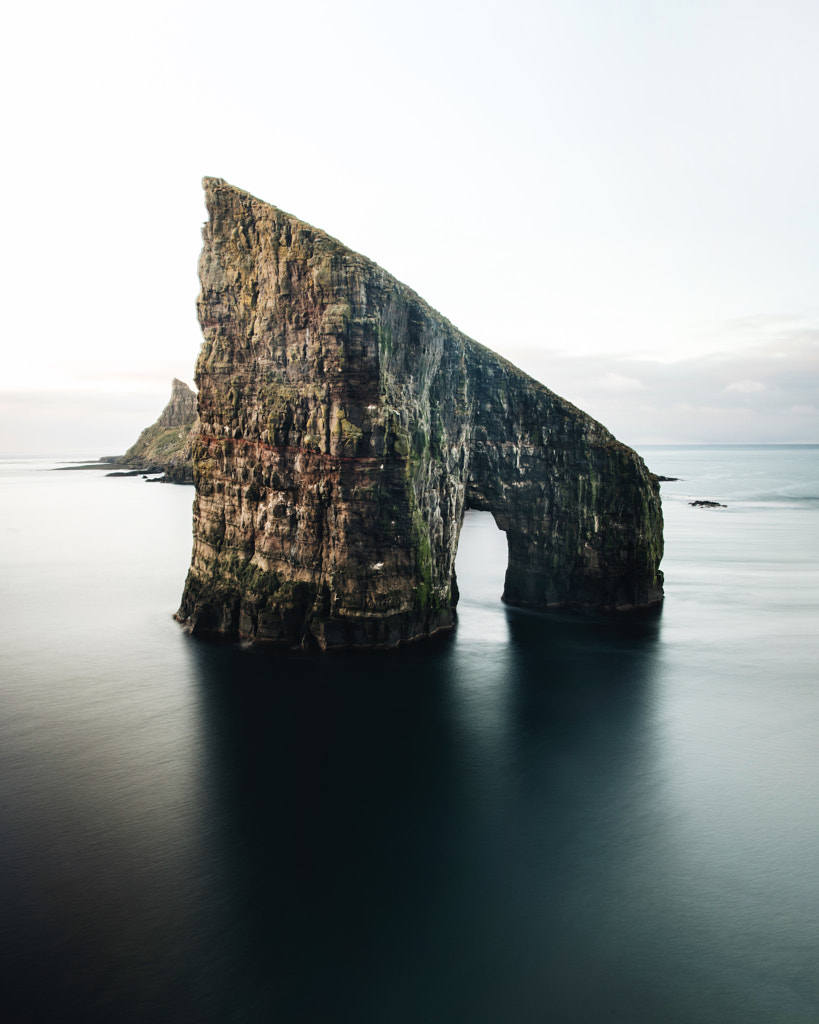
For years, we’ve found inspiration in blogs created by photographers of all genres. Tristan Zhou has shared gear guides for beginners, while Tanner Wendell Stewart has transported us to the breathtaking landscapes of the Faroe Islands.

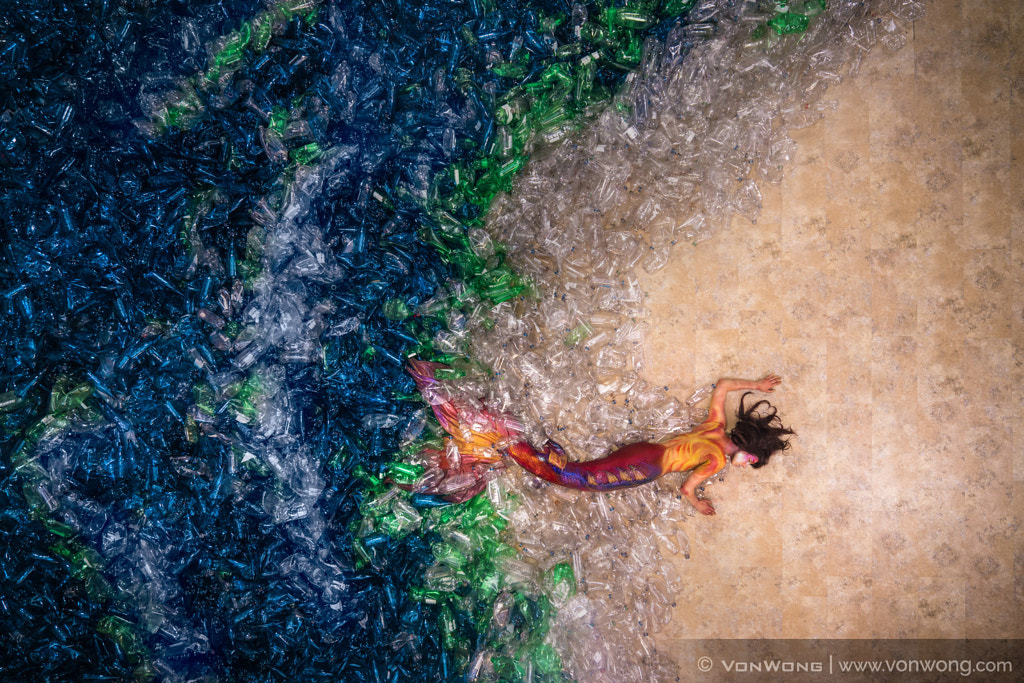
Through his blog, Benjamin Von Wong shares behind-the-scenes stories from his epic and surreal conservation-themed photoshoots (for this shoot below, for example, he borrowed 10,000 plastic bottles from a waste management center).

Heading into 2022, photography blogs offer a wellspring of ideas and knowledge, while also giving artists new and evolving ways to engage their audiences, from traditional articles to vlogs and more. For established photographers, blogs offer the opportunity to share their know-how and give back to the community. For up-and-coming photographers, blogging can also be instrumental in establishing an online presence and building a personal brand. These are our tips for getting started.

Tip #1: Know your niche

When it comes to blogging, it’s important to stay true to where your passions lie. If you’re a specialist in a certain genre, whether it’s newborn sessions or commercial product shoots, lean into that. There are tons of photography blogs out there, but if you have niche expertise, you’ll be able to offer something no one else can.

If you’re located in a unique spot, that’s something else that could differentiate you. Write down some adjectives that describe what you do, and then underline the most important. Thinking about yourself from a branding perspective can take time, but it’s key to growing a recognizable online presence.

Tip #2: Understand your reader

Deciding on your target audience is a great first step toward determining the theme and tone of your blog. If you’re writing for your clients, for example, your content will be different than if you’re writing for other photographers. Blogs aimed at potential clients could include posts about how to prepare for a photoshoot in your niche, while articles for fellow photographers might include anything from gear reviews to post-processing tips and tricks.

As you grow your blog, you can even ask for feedback directly from your followers. What kinds of articles do they enjoy the most, and what would they like to see more of? Answer any specific questions they have. The best blogs offer something of value, whether it’s compelling storytelling or actionable advice. By understanding your audience, you’ll understand what they value and what they want to know. Thinking about your readers can also help you get to the core of your “why”—your purpose for having a blog in the first place.

Tip #3: Be real

The most important tip of all: be authentic. When you’re personally invested in your blog, you’ll be much more likely to stick with it, so write about what interests you. Tell us why certain shoots and sessions were meaningful to you. Share memories from a recent road trip, or recount the story of an unforgettable moment you witnessed while documenting a couple on their wedding day.

Tell us what experiences shaped you as an artist and why. Another idea would be to reach out and interview someone you admire or who inspired your journey, whether it’s a professional collaborator (e.g., stylist, makeup artist, model) or another photographer. Once the interview is published, you can both share it.

Tip #4: Offer a call to action

Knowing your audience will also help you tailor your posts to their needs, so remember to make it easy for them to connect with you or hire you down the road. Maybe you include a link where they can book a session, or perhaps you offer a discount code for your print shop. It could be as simple as an email newsletter sign-up. Readers are potential clients, so consider including a clear call to action every once in a while to keep them engaged with your business.

Tip #5: Use keywords

Blogging can be an essential ingredient in search engine optimization, and SEO is all about keywords. Incorporate keywords that relate to your photography niche and location—e.g., “New York family photographer”, “Nairobi lifestyle photographer”, “Delhi product photographer.” Keyword planners like the Ahrefs Keywords Explorer or the Serpstat Keyword Research tool can help you find trending keywords. We’re not recommending spamming your blog with keywords that don’t make sense, but some natural, well-placed terms and phrases in your titles and posts will help your website surface, making it easier for potential clients to find you.

Tip #6: Incorporate lots of images

According to a recent survey from Orbit Media, most bloggers add just a few images per post, but those who use more visuals are more likely to get better results. As a photographer, images are your best tool, so use them. Share the finished pictures from a recent shoot, and include some behind-the-scenes shots as well. At the same time, quality usually trumps quantity, so curate your blog to only include your best photos. To help your photos surface in search results, remember to incorporate keywords in your metadata.

Tip #7: Promote your posts

Share your blog across all your social media channels, from Facebook to Pinterest, to tap into your existing network. Send your blog posts to the clients and collaborators you’ve featured, and they might share as well. Maybe you post a new article on Instagram Stories with a link sticker that directs followers to your blog, or you list a recent how-to as part of the Resources Hub on 500px.

Use your blog as a way to stay in touch with past clients by sending your recent posts out as part of your email newsletter, or tap into a new audience by organizing a “swap” with another photographer, where you write a guest blog post for their website and they do the same for yours.

Tip #8: Set realistic goals

Photographers are busy, and it takes time and effort to keep a blog up and running. For some, churning out a 2000-word article might come easy, but if you’re not one of those people, that’s okay too. Give yourself goals that feel manageable and doable with your schedule so you don’t lose interest and throw in the towel. Maybe it’s writing a 300-word post after every shoot or project, or maybe it’s sharing one photo tip a week.

It could be as simple as sitting down to write every Tuesday from 3:00 to 3:30, right after editing. Having a specific date and time when readers expect a new post can also help keep you on track. As you hit these attainable goals and gain confidence, you can set more ambitious milestones for yourself.

Want more tips on photography branding? Check out our Photographer’s Guide to Branding.

Not on 500px yet? Sign up here to explore more impactful photography.

The post The photographer’s guide to blogging appeared first on 500px.

[NDN/ccn/comedia Links]

Valencia MotoGP: Quartararo: ‘Not a Ducati track but they finished 1-2-3’ | MotoGP

New MotoGP World Champion Fabio Quartararo echoed the concerns of former title winner Joan Mir at the fearsome pace shown by the Ducatis in the final laps of 2021.

Quartararo finished the last three laps without a podium, his near-perfect run from the front row beginning to dry up to fully expose Yamaha’s overtaking weakness.

“To be honest, we did poorly in qualifying and couldn’t overtake,” said Quartararo after starting eighth on the tire tracks of Mir’s Suzuki and finishing fifth.

But it was Ducati’s “massive step” that won four of the last six races (Honda’s Marc Marquez the other two) and filled the podium at a track in Valencia that obviously wasn’t suited to the Desmosedici, who ” more ‘leaves worried’ for the next season.

Related articles

“Everyone said this track wasn’t a Ducati track, but they went 1-2-3 in qualifying and the race,” said Quartararo. “They’ve taken a huge step, so I’m more worried about next year than this one [isn’t] something I have too much on my mind right now.

“I have to leave it to Yamaha. They know what they have to do to improve for next year. Of course we don’t have full confidence because they are making a step, but we are the world champions this year. So we have to to do.” Enjoy it.”

Related articles

Quartararo has long made it clear that Yamaha needs to make real top speed gains for 2022.

“I always give my maximum and I think it shows. But today we reached the limit of the bike,” he explained. “To be honest it was hard to understand how much rotation, drive and power they have [Ducati] have.

“Because I was behind Jack and… I don’t know how much horsepower they have, but they have a lot. So in the end it’s something Yamaha needs to work on.

“I often repeat it to Yamaha, but I think they know what they have to do. So that’s it.”

When asked if the message to Yamaha is clear enough, Quartararo was adamant:

“I’m not telling anyone and Yamaha will hear from someone. I’ll tell Yamaha directly,” he said. “In Qatar I immediately asked for the holeshot device, they were able to do it pretty quickly.

“Now we’re asking a lot of things, with the 1-2-3, which is what we really need to be competitive because at the moment we have a lot of strengths but also a lot of weaknesses.

“We have to take a step if we want to fight again – not fight again, fight a little bit looser because right now I feel very much on the limit even today when we finished fifth.

“So let’s see. I think we had a great race today because I felt really bad and if you feel really bad but you finish in the top five I think it’s a great achievement.”

Valentino Rossi was the second best Yamaha rider in tenth place and eight seconds behind Quartararo, whose factory teammate Franco Morbidelli was eleventh as Ducati snatched the teams’ title to extend the constructors’ crown.

Quartararo and Morbidelli will continue Yamaha’s preparations for the 2022 season at this week’s Jerez Test.